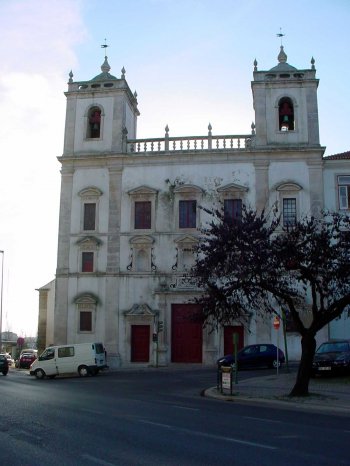
Explore the best places
Results for MAKEMUR.COM d Strof vum Kand virum Urtel verkierze loossen in Portugal


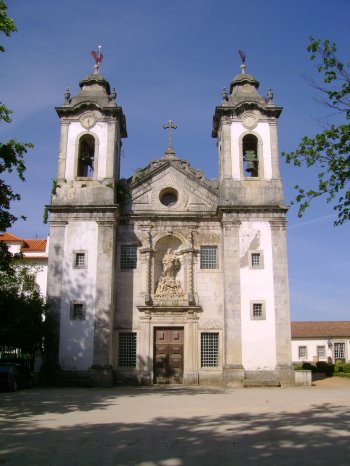
Capela da Vista Alegre e Túmulo de Dom Manuel de Moura Manuel
- heritage
Lugar da Vista Alegre
3830-292, Ílhavo
Temple with thick walls, brick vaults, and limestone masonry. The façade features a large niche with a sculpture of Our Lady of Penha de França. The classification includes the tomb of D. Manuel de Moura, Bishop of Miranda.
Padrão de Elvas
- heritage
Elvas
7350, Elvas
This Padrão was rose by orders of D. Afonso VI as a celebration from Linhas de Elvas battle. It was constructed in white marble from Estremoz and it is formed by a Tuscan column settled above a square pavement with three steps.

Recolhimento de Nossa Senhora das Dores
- heritage
Rua Dom António de Melo de Castro
7150-156, Borba
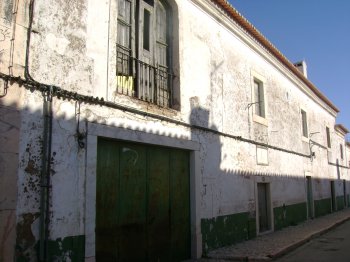
Old beatério of very simple construction, without ostentation and with a church without façade facing the street. It was founded by testamentary disposition of d. Joana de Azevedo Mourão Castelo Branco, widow of Fernão Vaz Strain.
Ruínas do Fortim de Caracena
- heritage
Castelo de Vila Viçosa
7160-245, Vila Viçosa
This blockhouse was built by Theodosius I, at the same time when doing the finishes of the fortress artillery of the Castle. In the 18th century was reinforced by d. João V, a century after having been demolished after the war of restoration.
Convento dos Capuchos
- heritage
Serra de Sintra
2710, Sintra
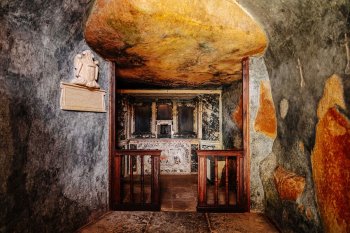
Built amidst cliffs and vegetation, this convent is also known as the Convent of Santa Cruz da Serra or of Cork. A simple, rustic construction, it was founded in 1560 by D. Álvaro de Castro, fulfilling a vow he made to his father, D. João de Castro. Everything in this space is miniature: the cells, lined with cork, the refectory, and the small church with its marble altar, whose vault was carved from the rock itself. It is believed to have been abandoned in 1834, following the suppression of religious orders decreed by the liberal regime.
Palácio dos Fidalgos Silveira Menezes
- heritage
Rua Humberto Silveira Fernandes, 16
7150-129, Borba
Palace built by Councillor José Victorino Zuzarte Coelho da Silveira, with interior decoration highly sponsored by owner José Maria Silveira Menezes, in the second half of the 19th century. Here were the illustrious figures dinner as d. Fernando and d. Augusto, after a visit to the battlefield of Montes Claros. Here also lived the poet Humberto da Silveira Fernandes region. Today is a building of guardianship of the Holy House of mercy, rich interior, which includes furniture, tapestries, and decorative arts of 800.
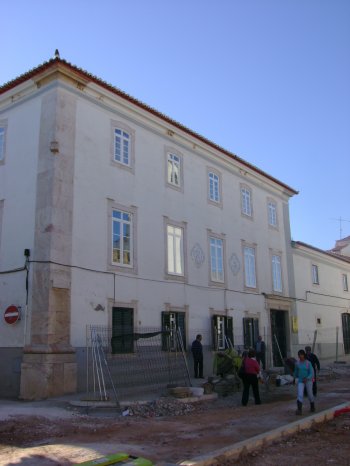
Hotel Josefa d'Óbidos
- hotels
Rua Dom João de Ornelas
2510-074, Óbidos
This hostels should the name the painter Josefa de Ayala, born in 1630, which became known as Josefa d ´ Óbidos. Situated next to the entrance of the city, offers a quality service and offers 37 very comfortable rooms.
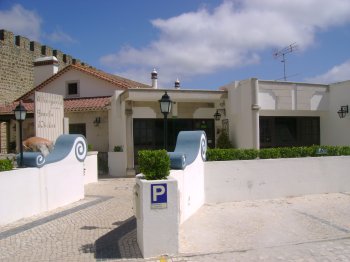
Museu Episcopal de Beja
- heritage
Largo dos Prazeres, 4
7800-420, Beja
Founded in 1892, under the aegis of d. António Xavier de Sousa Monteiro, by Monsignor Amadeu Streets, the Episcopal Museum of Beja was created to prevent works of art belonging to the last monasteries and convents of Beja were scattered.
Fonte Nova / Fonte dos Judeus
- heritage
Praça 8 de Maio
3000-300, Coimbra
Public fountain from the D. João V period, with two ajutages and a large tank. This magnificent baroque construction is located in front of the Manga Garden, at the place where the Santa Cruz Tower once was. It is sided by the Montarroio stairs.
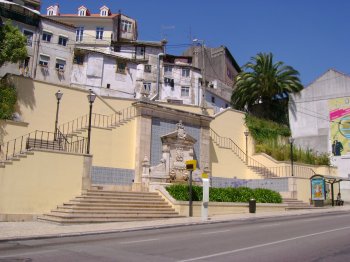
Igreja de Nossa Senhora de Jesus do Sítio
- heritage
Largo Cândido dos Reis
2000-241, Santarém
Founded during D. João I Kingdom, it presents one façade from the first half of the 17th century in Jesuitical style. On the main chapel altar it stands out the altarpiece in fifteen hundreds stone with Christ Supper.