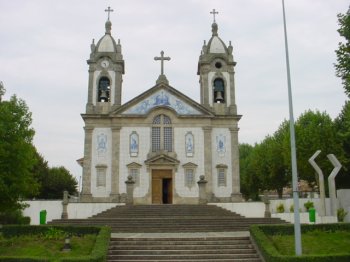
Explore the best places
Heritage in Portugal


Museu Paroquial de Moncaparracho
- heritage
Rua de Santo Cristo
8700, Olhão
Space where you may see local archaeological and anthropological pieces. A collection of the religious imaginary from the XVI and XVII centuries stands out.
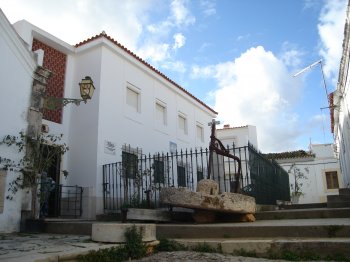
Ponte Velha de Quelfes
- heritage
Quelfes
8700, Olhão
Roman Bridge with a rampant roadway settled on an arc of great circle. It reconstructed several times.
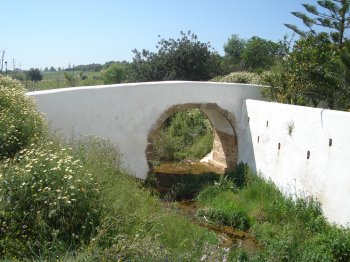
Marginal da Fuseta
- heritage
Avenida Professor Doutor César Oliveira
8700-038, Olhão
Large space, modern and comfortable, with some garden-seats and green areas. Ideal for walking and resting.
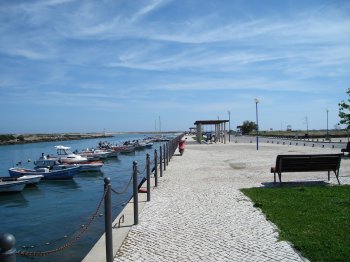
Centro Histórico de Elvas
- heritage
Elvas
7350, Elvas
Fica no Alentejo, a escassos quilómetros da fronteira com Espanha, uma das mais belas cidades portuguesas e a maior cidade fortificada da Europa. Protagonista de decisivas batalhas durante o período de restauração da independência, em meados do século XVII, o Centro Histórico de Elvas encontra-se delimitado por fortificações abaluartadas, em formato de estrela, num conjunto de irresistível encanto distinguido pela UNESCO como Património Mundial.

Muralhas da Praça de Almeida
- heritage
EN340
6350, Almeida
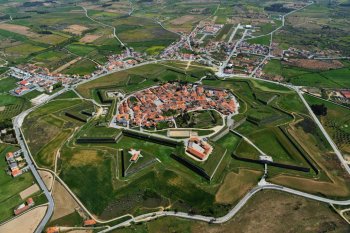
The Praça-Forte de Almeida, built during the 17th century, is the main ex-libris of the walled town. From an aerial view, it is possible to accurately identify a huge 12-pointed star surrounding its well-preserved walls, a National Monument since 1910. In Praça-Forte, several historical battles took place, given its proximity to the Spanish border, and here takes place recreations that usually attract a lot of public. The largest recreates the famous explosion of 1810, during the French invasions. Take a good look at the Double Doors of Santo António and São Francisco.
Igreja de São Lourenço de Almancil
- heritage
Rua da Igreja
8135-027, São Lourenço
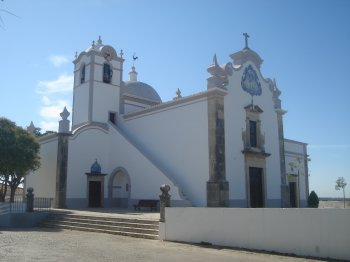
Church of baroque architectural composition, has an interior lined with tiles from the 18th century by Policarpo de Oliveira Bernardes. This set, representing scenes from the life of the patron saint, is one of the most important in the country.
Fonte Benémola
- heritage
EN510
8100, Querença
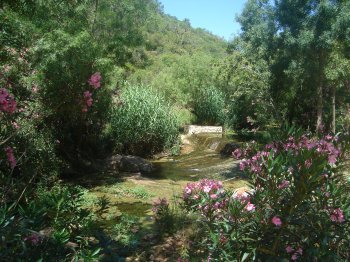
Located in the parishes of Querença and Tôr, the classified site of Fonte Benémola is an area of great beauty, where the Ribeira de Menalva (supplied by some springs) provides habitat for a flora dominated by ash trees, willows, tamarisks and leafy trees. The existence of water throughout the year is an attraction factor for a great diversity of faunal species, namely kingfishers, tits, herons, bee-eaters and otters.
Castelo de Loulé
- heritage
Rua Dom Paio Correia, 17
8100-564, Loulé
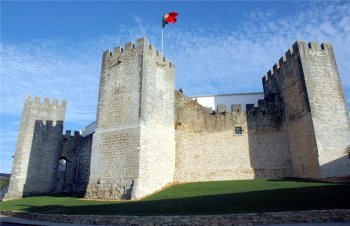
As in several villages in the Algarve, Loulé also accuses the presence of various peoples: Phoenicians, Carthaginians, Romans and Moors, who took over the city in 715. The Christian reconquest took place in 1249 and in 1268 the fortress was rebuilt and expanded, being rebuilt in the 16th century. Currently, there are some remains on Rua da Barbacã, Largo da Matriz and Rua Rainha Dona Leonor.
Ruínas do Castelo de Salir
- heritage
Rua dos Muros do Castelo
8100, Salir
Salir might have been the place where D. Paio Peres Correia awaited the arrival of D. Afonso III, so that together they could undertake the conquest of what remained in the province in the hands of the Moors. During the time of King Afonso III, this location became a stronghold, giving the castle a privileged role in the definitive conquest of the Algarve. It is presumed that the castle was burned down and rebuilt twice, and today only ruins of its walls remain.
Igreja Matriz de Rio Tinto/ Igreja de São Cristovão
- heritage
Largo do Mosteiro - Rua da Lourinha, 33
4435-346, Rio Tinto
18th century church rebuilt in 1830. In 1758 it is referred to as belonging to the Monastery of São Cristóvão de Rio Tinto. In this temple, the fronts with tiles and panels of saints, the two towers and the carillon with 17 bells deserve special mention. Its imposing facade is still evident.