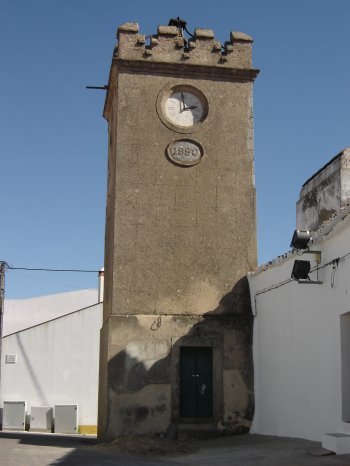
Solar plant long composed of medieval tower, of square plan. The Tower, although modern refurbishment represents a copy of the oldest medieval fortified residences.
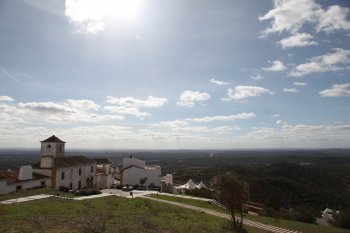
The name of this village derives from its location, a 500-meter-high hill, where the castle was built at the summit. The views from this place are magnificent.
Lytic set composed of quartzite flakes and some artifacts of polished stone and ceramic artifacts, including bowls, ceramic mamiladas ducted, thickened lip plates and some pottery decorated.
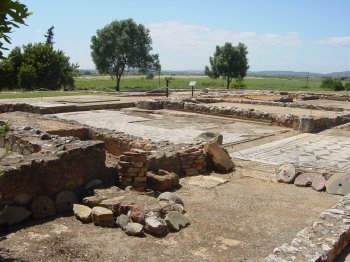
Among the remains of this Roman villa, a mosaic featuring the effigies and names of two of its owners, Cardílio and Avita, stands out. Its occupation is believed to have been between the 1st and 4th centuries AD.
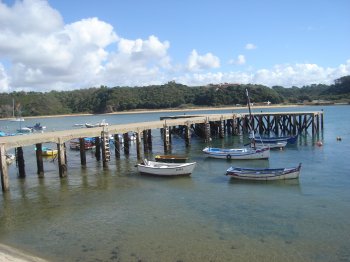
The ruins of a 3rd century roman village made of two residential areas. The main area is by the port, as is the bathhouse, the necropolis, the dam and the place where the fish was salted. There are marble friezes and fragments of painted plaster which decorated the walls, as well as the remains of floors with polychrome mosaics. One can also find two rectangular tanks where the fish was salted. It is classified as a building of Public Interest.