Explore the best places
Results for MAKEMUR.COM d Strof vum Kand virum Urtel verkierze loossen in Portugal


Casa da Câmara
- heritage
Largo do Pelourinho
6270-605, Casal de Travancinha
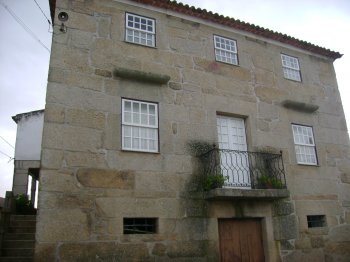
Edifício que foi sede de concelho com foral dado por D. Manuel I em 1514 e que possuía Câmara, Tribunal, Cadeia, Destacamento Militar e Botica (Farmácia). Tinha Juiz, Procurador e Escrivão.
Estátua do Lidador
- heritage
Praça Doutor José Vieira de Carvalho
4470, Maia
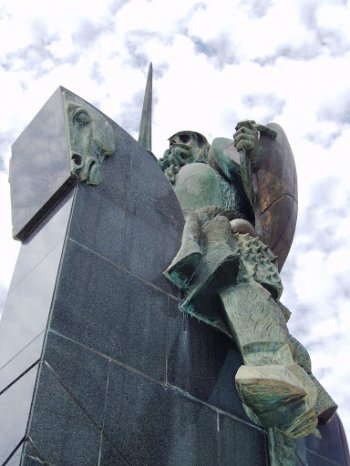
A bronze statue, over a marble base, paying homage to Gonçalo Mendes da Maia “O Lidador”, hero of the foundation of the nationality, whose first king of Portugal, D. Afonso Henriques, nominated his “Adeantado”. The statue is by the sculptor Lima de Carvalho.
Rua de Dom João I
- heritage
Rua Dom João I
4835-063, Guimarães
This street is filled with old houses with wooden balustrade balconies. D. João I padrão (a large stone cross with the Kings Coat of Arms) dated from the XVI century stands out, as well as the São Domingos Order dated from the 19th century.

Colégio dos Jesuítas / Câmara Municipal e Tribunal de Comarca de Gouveia
- heritage
Avenida 25 de Abril
6290-554, Gouveia
Former Jesuit College consisting of a simple rectangular plan, developed around two cloisters, with emphasis in the Church Centre. The College was founded in the 18th century and, in 1839, d. Maria II installed here the Court and jail. In the 20th century was also installed at City Hall.

Edifício da Janela Manuelina
- heritage
Rua Francisco de Passos, 41
6300-558, Guarda
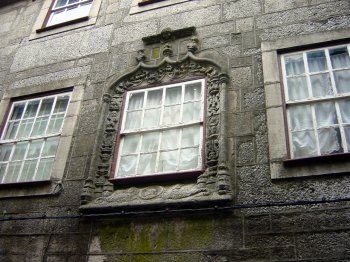
16th-century building that stands out for its Manueline window adorned with flowers of lis, mermaids, Angels and fish. It is believed to have worked as Bishop's Palace. Bishop d. Álvaro Keys will have been murdered by a servant, in this building. Features of manueline and Renaissance architecture.
Igreja do Corpo Santo
- heritage
Rua do Corpo Santo, 17
1200-182, Lisboa
Convent built by initiative of Fra Domingos do Rosário, in an area offered by D. Afonso VI. The earthquake of 1755 destroyed it. In 1758 the reconstruction began, being its location slightly moved to west. It is a religious architecture construction from the Marquês de Pombal period.
Igreja de Santa Maria Madalena
- heritage
Via da Falperra - EN309
4715-390, Nogueira
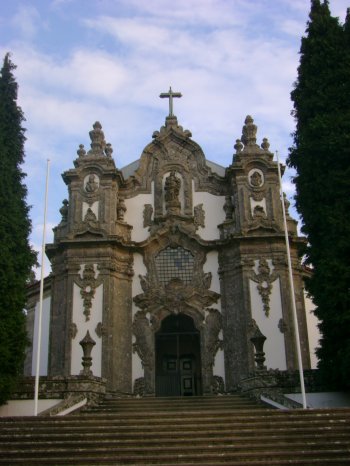
Church in monte da Falperra, is a beautiful example of Rococo architecture. It is designed by the architect André Soares da Silva Braga, at the instigation of Archbishop d. Rodrigo de Moura Telles. The interior is coated with 18th century tiles ceramist Policarpo de Oliveira Fernandes.
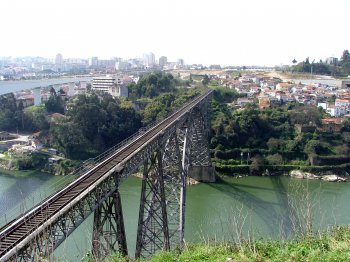
Ponte de Dona Maria Pia
- heritage
Sobre o Rio Douro
4300, Porto
The D. Maria Pia Bridge, built little above the D. Luís I Bridge, allowed the railway connection between the two Douro sides. Its construction, planned by Eiffel, began in January, 1876. It was built with great precaution because its only roadway is hanging at about 61 metres above the river’s water level. In all the construction were used about 1600 tons of iron, which didn’t even scratch its lines’ harmony and elegance. The works were concluded on November, 4th, 1877 and nowadays, although it is closed, we can still admire its beauty and usefulness.
Convento dos Congregados de São Filipe Néri
- heritage
Rossio Marquês de Pombal
7100-513, Estremoz
Built in the early 18th century, it served as the palace of D. Constantino de Bragança, Viceroy of India, and only later as a convent. Highlights include the stonework and tiles, which depict scenes from the life of St. Philip Neri, and the beautiful marble staircase, featuring hunting scenes.
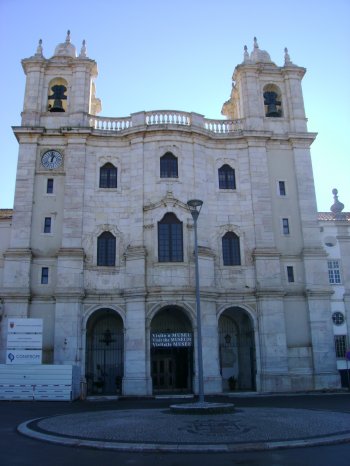
Igreja de São Vicente
- heritage
Rua Francisco de Passos
6300-558, Guarda
This seventeen hundreds temple presents a baroque façade sided by two bell ringer towers. The historian glazed tiles panels stand out and they are placed in the church nave and main chapel. It was reconstructed in 1790 by initiative of Bishop D. Jerónimo Rogado de Carvalhal e Silva.
