Explore the best places
Results for PROBLEMGO.COM d Fréiloossung vu mengem Jong kafen in Portugal


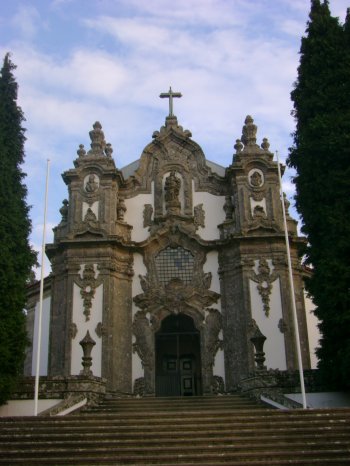
Mosteiro de Arouca
- heritage
Largo de Santa Mafalda
4540-108, Arouca
It began with a dual community – male and female – having become a female monastery and adopted the Rule of Saint Benedict at the end of the 11th century. The affiliation with the Cistercian Order, which occurred in the 13th century, is associated with the figure of Infanta D. Mafalda, daughter of D. Sancho I, who, in 1220, decided to incorporate the nuns into the new Order. Endowed with a vast patrimony, it became one of the most important Portuguese female monasteries. Retreating to the convent, D. Mafalda gained a reputation for holiness, to which the discovery of the …
Albergaria dos Fusos
- country
- heritage
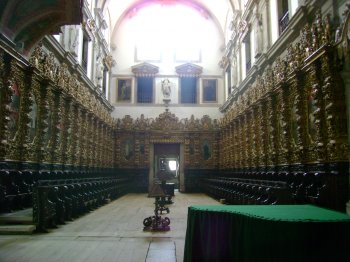
Albergaria dos Fusos
7940, Albergaria dos Fusos
Village built in a small lot. Its name is due to the fact that, in time, have there been flax industry. Its importance was demonstrated by having enjoyed privileges of municipal headquarters and pillory. Had judge ordinary, two councillors and a Prosecutor presented by donors. The village belonged to the convent of Santa Clara in Beja and was sold in 1503 by d. Violante de Moura, Abbess of the convent said the sum of 200 thousand Reis, Álvaro, Lord of Tentúgal, purchase which was confirmed by King Manuel I in March 14, 1516 and, later, by d. João III in …
Convento de São Saturnino
- hotels
Azóia
2705-001, Colares
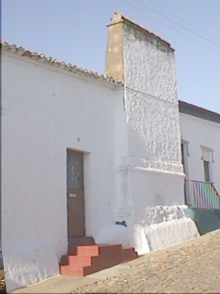
Hotel unit that was born in the Convento de São Saturnino, donated by d. Afonso Henriques to their Ensign-mor, Pedro Páez, who founded a confraternity. The various buildings are linked by stairs and narrow passages full of charm. The views are to the Valley of the serra de Sintra.
Casa da Câmara
- heritage
Largo do Pelourinho
6270-605, Casal de Travancinha
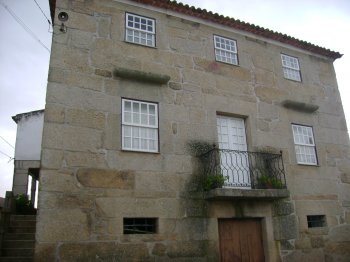
Edifício que foi sede de concelho com foral dado por D. Manuel I em 1514 e que possuía Câmara, Tribunal, Cadeia, Destacamento Militar e Botica (Farmácia). Tinha Juiz, Procurador e Escrivão.
Estátua do Lidador
- heritage
Praça Doutor José Vieira de Carvalho
4470, Maia
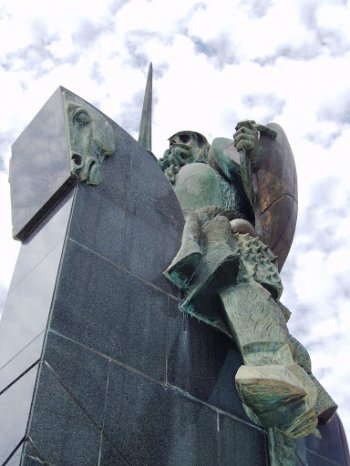
A bronze statue, over a marble base, paying homage to Gonçalo Mendes da Maia “O Lidador”, hero of the foundation of the nationality, whose first king of Portugal, D. Afonso Henriques, nominated his “Adeantado”. The statue is by the sculptor Lima de Carvalho.
Rua de Dom João I
- heritage
Rua Dom João I
4835-063, Guimarães
This street is filled with old houses with wooden balustrade balconies. D. João I padrão (a large stone cross with the Kings Coat of Arms) dated from the XVI century stands out, as well as the São Domingos Order dated from the 19th century.

Colégio dos Jesuítas / Câmara Municipal e Tribunal de Comarca de Gouveia
- heritage
Avenida 25 de Abril
6290-554, Gouveia
Former Jesuit College consisting of a simple rectangular plan, developed around two cloisters, with emphasis in the Church Centre. The College was founded in the 18th century and, in 1839, d. Maria II installed here the Court and jail. In the 20th century was also installed at City Hall.

Edifício da Janela Manuelina
- heritage
Rua Francisco de Passos, 41
6300-558, Guarda
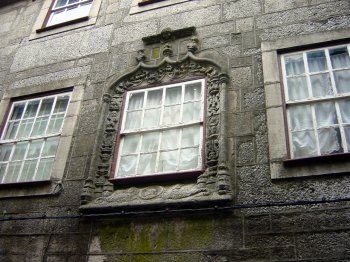
16th-century building that stands out for its Manueline window adorned with flowers of lis, mermaids, Angels and fish. It is believed to have worked as Bishop's Palace. Bishop d. Álvaro Keys will have been murdered by a servant, in this building. Features of manueline and Renaissance architecture.
Igreja do Corpo Santo
- heritage
Rua do Corpo Santo, 17
1200-182, Lisboa
Convent built by initiative of Fra Domingos do Rosário, in an area offered by D. Afonso VI. The earthquake of 1755 destroyed it. In 1758 the reconstruction began, being its location slightly moved to west. It is a religious architecture construction from the Marquês de Pombal period.
Igreja de Santa Maria Madalena
- heritage
Via da Falperra - EN309
4715-390, Nogueira
Church in monte da Falperra, is a beautiful example of Rococo architecture. It is designed by the architect André Soares da Silva Braga, at the instigation of Archbishop d. Rodrigo de Moura Telles. The interior is coated with 18th century tiles ceramist Policarpo de Oliveira Fernandes.