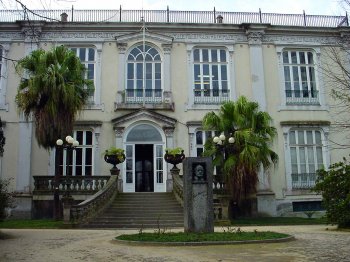
Explore the best places
Results for MAKEMUR.COM buy a lawyer who knows the judge dark web fast enter clients love us in Portugal


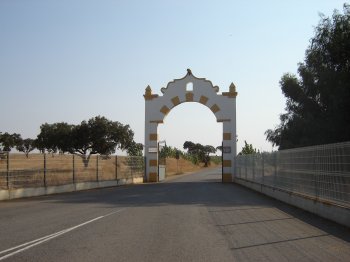
Hotel Rural da Daroeira
- hotels
EN 261
7565-100, Alvalade
A typical hotel of the Alentejo, decorated accordingly to the region's culture. It has 27 rooms, two bars, a regional restaurant, a chapel and two swimming pools, one of which for the children. It has also several pateos and gardens, as well as a museum with old machines that wer used for the drying of the rice.
Pestana Miramar
- hotels
Estrada Monumental, 182-184
9000-098, Funchal
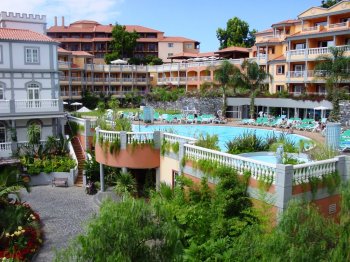
Hotel placed near the city centre of Funchal. All the areas deserved a special attention and were decorated with works of art and classic furniture, offering a luxurious atmosphere. The new buildings have a rustic style, using terracotta roofs and balconies with traditional balustrades, surrounded by tropical gardens.
Quinta dos Azulejos
- country
- leisure
Rua Esquerda
1600, Lisboa
This Thursday, the use of tiles is explored ad nauseam: paper walls, fountains, alegretes, arches, benches, colonnades and pergolas. It can be said that the garden is more made of tiles that of plants. Notable are the multi-colored panels that decorate the galleries, banks of the gardens and the panels with religious motifs and country scenes.
Anta da Arquinha da Moura / Anta da Penela
- heritage
Penedo
3460-155, Lajeosa
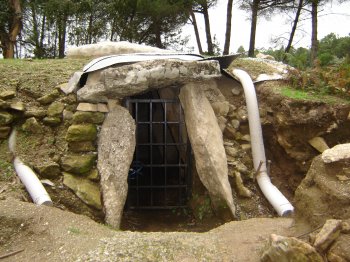
Henge of polygonal formed by seven pillars, with Hall with five Struts on each side, whose construction dates back to the 3rd millennium b. c. Paintings anchor the US Chamber, red, Orange and a black, representing schematic character figures and naturalist. It is located along a rural road.
Hot Five Jazz & Blues Club (Uptown)
- art
- food & drink
Rua de Guerra Junqueiro, 495
4150-389, Porto
One more stage is born in Porto and going to be filled with music and energy! Where before was the charismatic Nun’Alvares Cinema – a city landmark since the 50’s – will now be our (and yours!) Hot Five Jazz&Blues Club – Uptown. Celebrate with us, and have a really great time
Parque Municipal dos Desportos de Fafe
- leisure
Rua Doutor José Summielle Soares (EN 207)
4820, Fafe
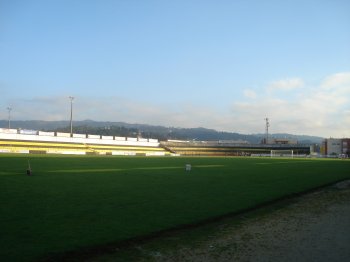
Turf football stadium, opened in 1960 and designed by Eng. Mario Valente. Has a capacity of 10,000 spectators, official measures (11ox60 meters), stands, changing rooms and artificial lighting. Is used in home games of the Associação Desportiva de Fafe, Brazilian football team founded in 1958.
Museu do Vinho e da Vinha da Madeira
- heritage
EN101 - Sítio da Lagoa
9230-019, Santana
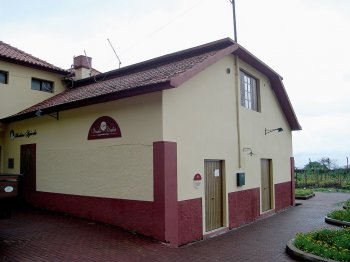
Opened in 2005, this museum is located in an old restored cellar where relics of viticulture donated by the population are on display. You can observe the wines, mills and instruments used over the decades to produce wine. You also have the possibility to taste and purchase a variety of table and liqueur wines.
Igreja de São João Novo
- heritage
Largo de São João Novo, 2
4050-066, Porto
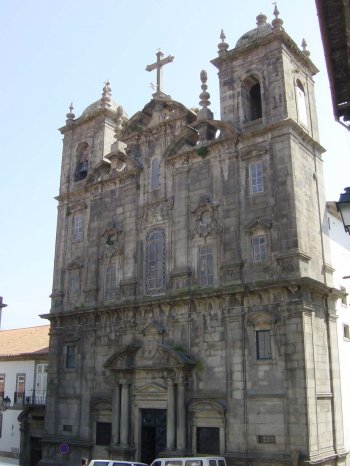
At the place where it was built, there used to be the São João de Belmonte Chapel. The façade of the São João Novo Church is an almost faithful copy of the Grilos Church. Inside, the classical-roman motifs predominate, such as the impressive baroque wood carving retables, from the XVII century and the azulejos panels.
Convento de Jesus / Museu de Setúbal
- heritage
Largo Miguel Bombarda
2900-261, Setúbal
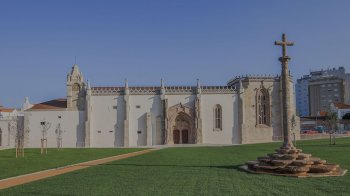
The convent was founded by Justa Rodrigues Pereira, wet nurse of King Manuel I, in 1490, during the reign of King John II. This monarch, who visited the construction the following year, decided to expand the initial project. He entrusted the construction to Diogo Boitaca, the first architect of the Jerónimos Monastery, who carried out his first work in the country here. The convent has a beautiful portal and Manueline windows. Inside, the beautiful twisted columns of the hall church, which belonged to the convent of the Franciscan Poor Clares, deserve special mention. Because they belonged to a cloistered order, …
Museu do Instituto de Botânica Gonçalo Sampaio - Faculdade de Ciências da Universidade do Porto
- heritage
Rua do Campo Alegre, 1191
4150-181, Porto
The museum integrates the Herbário (herbarium), which comes from the middle of the XIX century, with real collections and others bought or exchanged, where all plants’ groups are represented. It has a rich wood collection, especially in exotic woods from the former Portuguese colonies. One of these collections, shaped as a book, was taken from a shipwreck at the Douro mouth and offered to the University being, probably, the best collection of this sort that exists in Portugal. Another collection is made of parts of plants used to build goods such as bamboo, wicker, etc. Some of the scientific material …