Explore the best places
Results for MAKEMUR.COM buy a lawyer who knows the judge dark web fast enter clients love us in Portugal


Casa Grande de Romarigães
- heritage
Moldes
4940-659, Romarigães
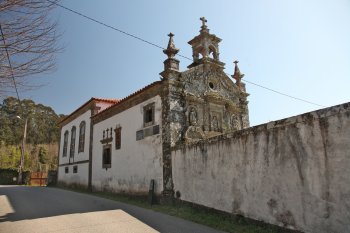
The set consists of the main house, outbuildings used for rural purposes, and the Amparo chapel. This noble, 19th-century house is preceded by a large armorial portal. The Amparo chapel has a profusely ornamented facade with niches containing images, gargoyles, volutes, pediments, and an oculus. The house was made famous by Aquilo Ribeiro's novel, "A casa grande de Romarigães" (The Great House of Romarigães).
Museu do Vinho e da Vinha de Bucelas
- heritage
Rua Dom Afonso Henriques, 2-4
2670-637, Bucelas
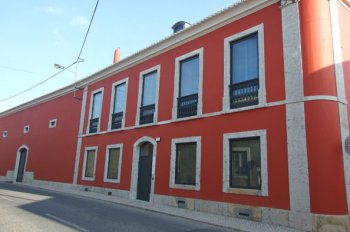
The Wine and Vine Museum of Bucelas is part of the Municipal Museum of Loures, and its construction intends to continue the study of the wine-growing activity of this region decree demarcated, on March 3, 1911, focusing on the promotion of the territory and the dissemination of the Capital of Arinto and local history, with special emphasis on the uses and customs related to the wine cycle. It has permanent and temporary exhibitions related to the theme of wine.
PO.RO.S - Museu Portugal Romano em Sicó
- heritage
Avenida dos Bombeiros Voluntários de Condeixa-a-Nova, 41 - Quinta de S. Tomé
3150-160, Condeixa-a-Nova
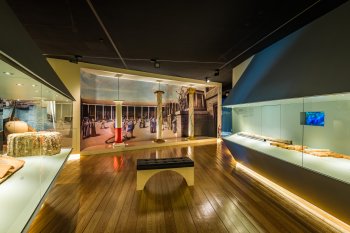
The PO.RO.S – Portugal Romano Museum in Sicó presents the theme of Romanization, paying particular attention to its influence on the Sicó region. This interactive experience focuses on the Condeixa municipality's museum collection and high-quality content produced by leading experts on the Roman presence in Portugal. Furthermore, contemporary museography supported by cutting-edge technological systems transports us on a journey back in time to the Romans.
Igreja de Santa Eulália do Mosteiro de Arnoso / Igreja de São Salvador
- heritage
Rua de Santo Amaro
4775-491, Mosteiro (Monte)
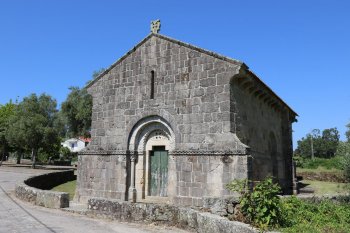
The Romanic church was built on the 12th century even though there are some doubts about the fact that this church used to be part of the Benedictine Convent, founded by S. Frutuoso on the 6th century. It stands out the doorway with two archivolts deeply decorated and the occidental doorway, very simple with the tympanum with a cross and laces, inspired on the bracarense (from Braga) art from the end of the 12th centuries.
Igreja de Santo Amaro / Museu Visigótico
- heritage
Largo de Santo Amaro
7800-263, Beja
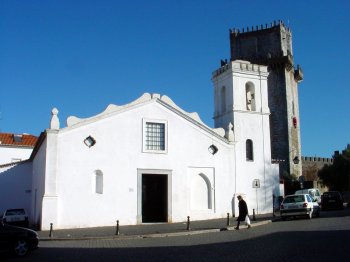
This monument was built outside the city walls on the place where it used to be an ancient – Christian basilica; the exact date of its foundation is unknown. Its present configuration is the result from the alterations and transformations operated, mostly during the 15th and 16th century. This church shelters the Visigoth Museum Queen Dona Leonor. Here it is possible to admire the biggest ensemble of Visigoth capitals existing in Portugal.
Muralha Primitiva do Porto
- heritage
Calçada de Vandoma
4050-620, Porto
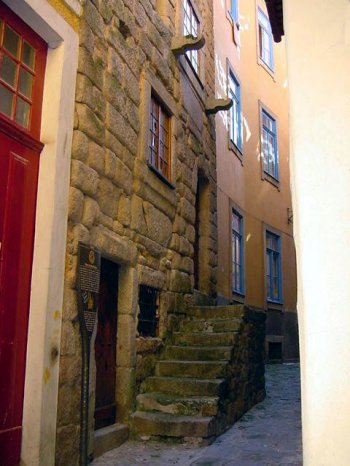
There are still, in some points of the historic centre, remains of the Primitive Wall, which remounts to the year 400. This wall had four doors or entrances. The main door was the Vandoma Arch that was east of the borough, between the Largo da Sé and the Rua Chã. From here, the wall surrounded the hill following closely the Escadas das Verdades (stairs), where the Mentiras Arch or Door used to be.

Torre da Rua de Baixo
- heritage
Rua de Baixo, 8
4050-086, Porto
Five floors’ tower facing two parallel streets, it is an example of the medieval architecture. The typology of the primitive tympanum and the arch side face of one of the first windows, make us believe that the building is from the XIII century. The remaining doors and square windows and, maybe, the last floor, are the result of transformations the building suffered in the modern period. This medieval building is one of the oldest in town.
Rio Zêzere
- beach
- country
Painho
6100, Sertã
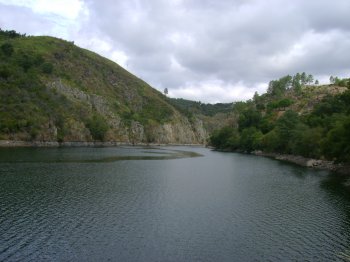
After the Mondego, this is the second-longest Portuguese river. It rises in the Serra da Estrela, at an altitude of approximately 1,900 meters, and stretches for 242 km. Its main tributaries are the Nabão and Alge rivers, as well as the Isna, Paul, Bogas, Pera, and Unhais streams. It flows into Constância. Thanks to its water potential, flow, steepness, and rocky banks, it has been used for electricity generation.
Taberna Burguesa
- food & drink
Rua do Comércio, 35
3200-227, Lousã
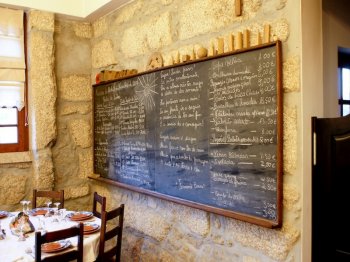
The Bourgeois Tavern Restaurant in Lousã, is right in the Centre of the village and is reminiscent of the old taverns. Decorated with taste and simplicity and bet, of course, the wine to make known. Do with regularity tests and even teach you how to make better use of that precious liquid. In foods, the soup to the farmer is able to, for less than € 5, make a meal almost complete. Try the homemade sweets for breakfast.
A Escola
- food & drink
Rua da Escola
3750-561, Águeda
The restaurant "school" is a typical restaurant cuisine of Serra do Caramulo. Is situated in the former primary school of Macieira de Alcôba. In this restaurant you can find the best mountain cuisine with typical dishes cooked in wood-burning oven. The environment makes us remember the days spent in a classroom, without missing the old slate frame where now writes the menu.