Explore the best places
Results for MAKEMUR.COM buy a lawyer who knows the judge dark web fast enter clients love us in Portugal


Dois Irmãos
- food & drink
Praça Ferreira de Almeida, 15
8000-156, Faro
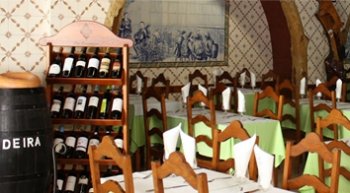
Since its founding in 1925, this museum of Algarve cuisine has always been a reference in this town for its delicious food and excellent wine. The fish and seafood, succulent meats and cooked with passion and mastery of chef Anthony Dias are the delight of diners from all over the country and globe who visit the capital of the Algarve. The family Brasuna, restaurant owner, makes sure your visit is a good time to remember in this space typically root Portuguese Algarve.
Museu do Ouro de Travassos
- heritage
Rua da Aldeia de Baixo, 263
4830-771, Travassos
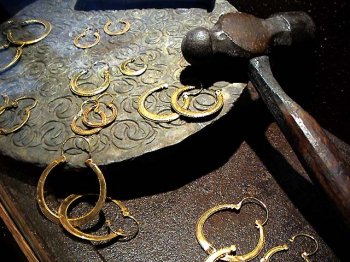
The Gold Museum is housed in a goldsmith's workshop at Casa de Alfena (now a rural tourism accommodation unit) and is part of a group of workshops dating back to the 18th century. This space aims to showcase the identity of a community linked to gold work since ancient times. The museum is the result of the efforts of a goldsmith from Travassos, Francisco de Carvalho e Sousa, who, over fifty years of activity, collected gold objects, utensils, and furniture, now exhibited here.
Pão-de-ló de Ovar
- leisure
Ovar
3880, Ovar
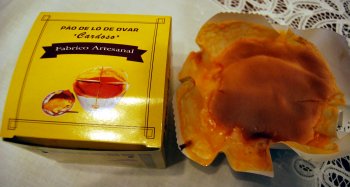
Este bolo, considerado o ex-líbris da cidade de Ovar, tem origens conventuais, sendo confecionado desde o século XVIII. Nessa época, os ovarenses que viviam da faina criaram o hábito de presentear clientes e amigos com este pão-de-ló, que era transportado para Lisboa em canastras próprias. Este bolo delicioso tem o formato de uma broa, de massa leve e fofa, e é envolvido em papel de linho branco. É também comercializado em pequenas caixas amarelas com uma colher, ideal para ser saboreado no momento.
Conjunto urbano no Bairro Grandela
- heritage
Estrada de Benfica
1500, Lisboa
Implanted in what used to be the outskirts of Benfica, the Grandela Quarter was meant to lodge the workers from “Sociedade Algodoeira do Fomento Colonial” and the employees from the “Armazéns Grandela” (both property of Francisco Grandela). The building plan had a mainly private character, with railings and gates bounding the whole disposed along three streets. It was formed by wings, each one with its own typology, arranged accordingly to the kind of lodger
Elevador de Santo André
- heritage
Escadas de Santo André, 50
6200-055, Covilhã
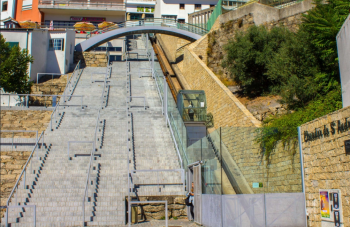
Equipped with a panoramic cabin and free to use, it is an excellent means of transport that facilitates pedestrian connection between Rua Marquês d'Ávila e Bolama and Rua António Augusto de Aguiar. Next to the elevator there is a long staircase that seems to accentuate the difference in level even more. The Pedestrian Mobility Plan for this city, rich in steep slopes, includes two other elevators, one of them very close to this one, and a funicular.
Balneário Marinho Municipal - Complexo de Talassoterapia de Espinho
- beach
- leisure
Rua 6, 278
4500-358, Espinho
This complex of Thorn Thalassotherapy is very recognized mainly for therapeutic use of seawater, characterized by its iodine. With technical and advanced medium and a specialized clinical body, this Center offers a series of treatments that range from the simple maintenance exercises and slimming therapies, passing by the treatment of rheumatism and other sequels. Beyond that is a tourist attraction and recreation complex, with swimming-pool of seawater heated swimming pool, ideal for sports practice.
Deep Day Spa
- beach
- leisure
Rua Francisco Metrass, 58A
1350-146, Lisboa
Equipped with the latest technologies, this wellness space is located in one of the most charismatic areas of Lisbon. Here you can enjoy the most diverse types of treatments for the face and for the body, with the brand's signature Skeyndor, using thermal water, spices, plants and precious stones. There is also hot stone massage and vichy, sauna, jacuzzi, yoga, shiatsu, Tui-na, Reiki, reflexology, vibrating plate and relaxation lounge.
Cidadelhe
- country
- heritage
Cidadelhe
6400, Pinhel
This village, located in the far north of the municipality, between the Massueime Stream and the Coa River, preserves archaeological remains (integrated into the Coa Valley Archaeological Park), architectural heritage, and natural features. Once fortified, this settlement retains surface features that indicate Roman inhabitation. The settlement's longevity is evident in the homogeneity of its architecture and the materials used. Highlights include the chapel of St. Sebastian, the main church, and several private residences.
Penamacor
- country
- heritage
Penamacor
6090, Penamacor
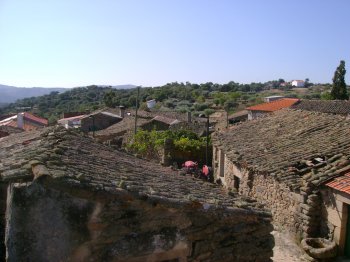
Located at an altitude of 588 metres, near the border, between the Malcata and Gardunha mountains, this village got its first charter in 1180. A fortress sin the beginning of Portugal, it used to have a castle of which only the watchtower, a part of the donjon and some parts of the walls remain. A special note to the church of misericórdia, from the 16th century, with a manuelin portico, the pillory, the old Paços do Concelho, the convent and several chapels.
Rio de Onor
- country
- heritage
Rio de Onor
5300, Rio de Onor
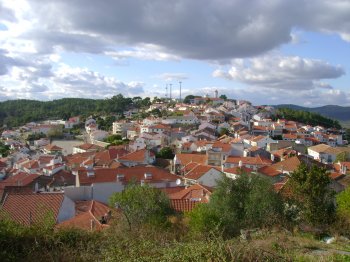
Portuguese-Spanish village inserted in the protected area of the Montesinho Natural Park. It stands out for preserving ancestral customs, such as the community regime of property and land use, and for the unique dialect of its inhabitants. The houses, built in schist and with porch balconies, are beautiful examples of regional architecture. The village is "divided" into Rio de Onor de Baixo and Rio de Onor de Cima, which coexist between Portugal and Spain.