Explore the best places
Results for access web now MAKEMUR.COM Need to get my son out of juvenile hall tonight cash waiting Nitra in Portugal


Idanha-a-Nova
- country
- heritage
Idanha-a-Nova
6060, Idanha-a-Nova
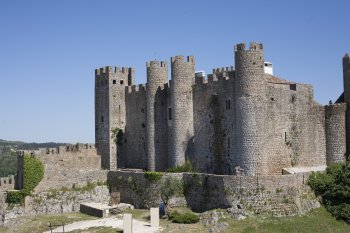
Located on a foothill, above a wide plain, Idanha-a-Nova still has an archaic aspect. The buildings show vestiges of the 16th and 18th centuries and there are still some elements left of the old medieval walls. The abundace of clay underground made it a pottery centre. Vestiges of the castle, whose construction was ordered by Gualdim Paes, and several churches and manors, namely the House of the Marquis of Graciosa and that of the Count of Idanha-a-Nova stand out. The sanctuary of Our Lady of Almortão and the Ponsul dam are located nearby.
Ovelhinha
- country
- heritage
Ovelhinha
4600, Ovelhinha
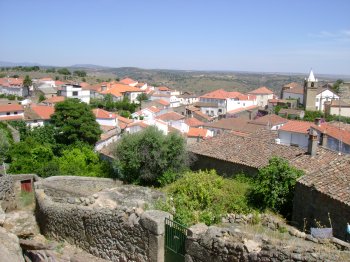
The parish of Gondar is crossed by two rivers that flow to the Tâmega river: Fornelo and Ovelha. The villag of Ovelhinha, located on the bank of one of those rivers, stands out for its river beach (beach of Ovelhinha) and by the roman bridge that crosses the river. Once the main village of the Gestaçô parish, the village currently has only about one hundred inhabitants. Its history is closely linked to the French invasions of the early 19th century, when several manors were set on fire by the invaders.
São Gião
- country
- heritage
São Gião
3400-655, São Gião
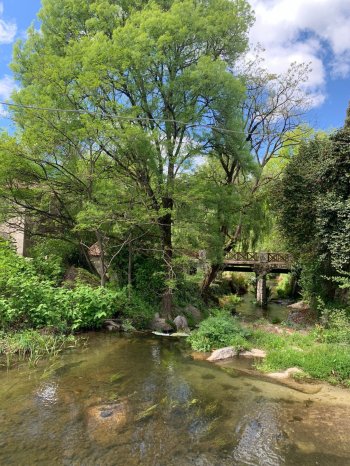
A very old village located on the foothills of the Serra da Estrela, it has a section of Roman road. The main church, known as the Catedral das Beiras, stands out. It is a large temple with gilded carvings, a ceiling with 102 paintings, and liturgical vestments. Nearby, the "Curral dos Romanos," also known as the Dólmen da Sobreda (Property of Public Interest), a curious olive press from the medieval period, in the town of Rio de Mel, and the Penedo da Moura, a natural cave, are worth a visit.
Casas da Lupa
- hotels
Monte dos Currais de Baixo
7630-585, Zambujeira do Mar
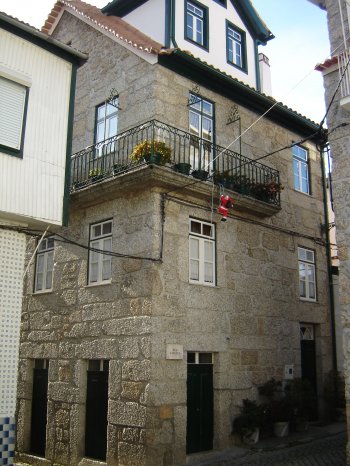
The magnifying glass houses are located in the Natural Park of Southwest Alentejo, between the plain and the sea. More precisely, in Zambujeira do Mar. typical regional architecture traces are in sight, but it is the interior that stands out. Are three houses joined by a large garden, four Suites Porches, three Standard rooms and four Master Suites. These include the existence of private courtyards, where is a small pool that is the delight of the guests. Privacy and comfort characterize this accommodation. There are several programs and activities to suit all tastes.
Train Spot Guesthouse
- hotels
Estação Ferroviária de Beirã/Marvão - Largo da Alfândega, 4
7330-012, Beirã
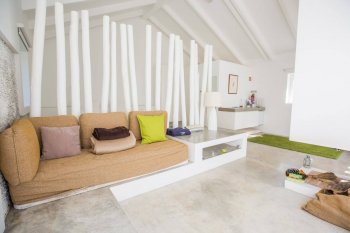
A first row seat for a travel in a time. The travel happens at Train Spot Guesthouse , placed in a historical Marvão/Beirã train station, which was built in 19th century and is classified as a architectural heritage. Here all the travelers that are young in heart can live out an experience of dreaming and waking up in an industrial era train station, surrounded by Serra de S. Mamede natural park, in direct touch with the raiana culture, just one step aside from Portugal and Spain border.
Vale do Ninho Nature Houses
- hotels
Vale do Ninho
3230-018, Cumeeira
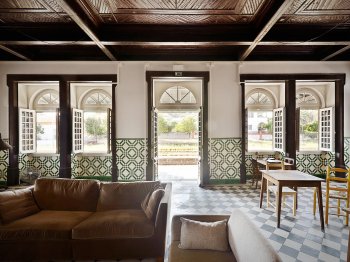
The home Nest Nature Valley Houses in the village of Ferraria de São João shale, arose from the reconstruction of an old 19TH century country house. Tried to keep the rustic nature that already existed but was not stopped in time, always trying to offer guests the utmost modernity as possible. Hiking, climbing, caving, paragliding and biking are just some of the activities you can practice in this village of shale, but the surrounding nature invites you to chill out, relax and take a few rides a donkey.
Quinta do Covanco
- hotels
Estrada da Várzea, 26
2580-568, Alenquer
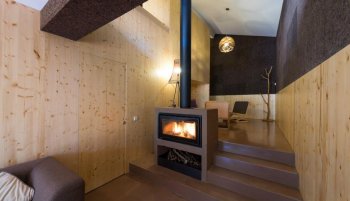
Quinta do Covanco, Fifth Centenary of the historic County of Alenquer, is characterized by a rural architectural style, derived from agricultural activities carried out in the past, in particular the cultivation of the vine. In the West, a region of extensive vineyards and hills crowned by Mills and between a coastline with extensive beaches and the beauty of the river Tagus, is the town of Alenquer, best known for Village Nativity. Guests, in addition to the quiet and family atmosphere that country life is also allows possibility to enjoy good home-cooked meals.
Castelo de Beja
- heritage
Largo Dr. Lima Faleiro
7800-265, Beja
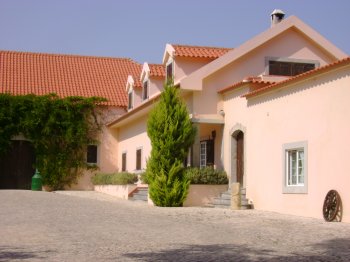
Of the castle complex, the Keep stands out – almost 40 meters high – dating from the time of King Dinis, made of marble, with a twin window and a machicolated balcony surrounding it. A masterpiece of military architecture, the Tower of Beja has great historical and monumental value. Of the defensive constructions of Roman origin, only the arch of the Porta da Vila (Town Gate) and the arch of the Porta de Évora (Évora Gate) remain. The Porta da Moura (Moorish Gate) is the only vestige of the medieval fortification.
Castelo de Ouguela
- heritage
EM373
7370-200, Ouguela
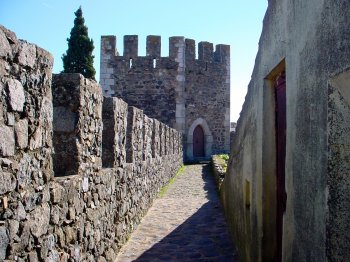
The castle was rebuilt by King Dinis in 1310 and underwent restoration work in the 18th century. Of the old fortification, situated atop a hill, only some sections of the wall and towers remain, in addition to the 17th-century fortifications, with escarpments, parapets, and ravelins, built during the Restoration War. The Church of Our Lady of Grace stands out, with its gable façade, framed straight lintel portal, and oculus. This castle is a characteristic example of the border fortresses of lowland regions, with a bastioned system determined by pyrotechnic artillery.
Castelo e Conjunto Urbano da Vila de Óbidos
- heritage
Largo Coronel Freitas Garcia
2510, Vila de Óbidos
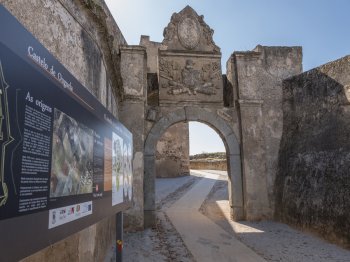
This urban ensemble denotes the medieval character of this village. It is entirely surrounded by walls and has an urban structure that extends from the citadel, entrances, and parade grounds. Of the six gates and posterns cut into the walls, the Porta da Vila stands out, with its chapel oratory, balcony, and attached staircase, all covered in tiles. Built in the 16th century, the palace is a Manueline building located in the north wing of the castle. By the 17th century, the castle was already damaged, a situation exacerbated by the 1755 earthquake, and it was subsequently rebuilt.