Explore the best places
Results for check main MAKEMUR.com how to get out of jail fast for money in Portugal


Igreja de Santa Maria
- heritage
Largo de Santa Maria
7800-133, Beja
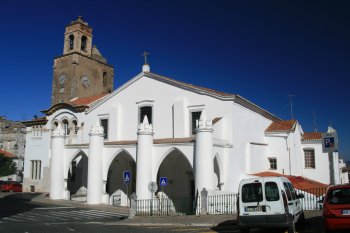
Santa Maria Church is placed in a square with old buildings from which we stand out the Torrinha house, the former building for the City Hall and another Manueline building with a Coat of Arms on the door. It still preserves the apse structure, the porch, the baroque altars and the “Tree of Life” represented on a lateral chapel. It has undergone some transformations on the 15th, 16th, 17th and 19th centuries and it was restore in 1960. The classification as a Property of Public Interest includes the joint of buildings belonging to the church and to the attached watch …
Solar de Água de Peixes
- heritage
EN 1004
7920-201, Água de Peixes
This beautiful manor house has a central courtyard involved by galleries. It stands out in the access to the courtyard through an ogival chamfered arch in stone, the Duke de Cadaval Coat of Arms in glazed tiles and a sundial. The gate is in stonework, with straight lintel, framed by a lancet arch supported by corbels and crowned on the centre with Duke de Cadaval Coat of Arms. On its decorative elements it displays the Mudejar influence in design and technique conjugating with the Manueline. Decorating the building there are twin brick windows filled with decorative elements.
Sé Catedral de Beja / Igreja de São Tiago
- heritage
Largo do Lidador, 7
7800-265, Beja
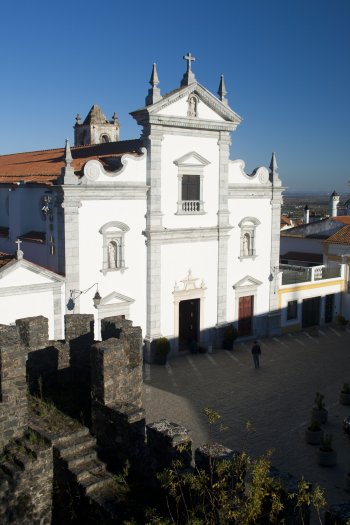
This 16th-century building retains its hall-church structure. The church stands out for its large dimensions, the creation of a unified space, and the influence of formal solutions taken from treatises that recall one of the elaborate creations of the Plain Architecture in the south of the country. Inside, some proto-Baroque altars and a set of paintings by André Reinoso deserve special mention. Also, noteworthy are the gilded and polychrome altarpieces, the tile panels, and the statuary. It was rebuilt in 1590 on the site of the original church of Santiago Maior.
Roda da Lage
- food & drink
EN1, 26
4520-506, Sanfins
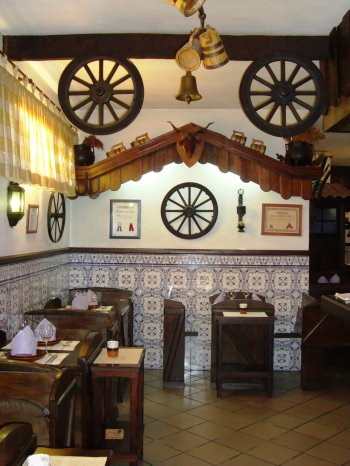
A space with two rooms pleasantly decorated, with wood and traditional tiles, as well as various artifacts and rustic wooden wheels of various shapes and sizes that give the name to the House. The kitchen is based on the best Portuguese tradition, where there are also snacks and a welcome gift digestive. Despite being pretty busy, especially on weekends, the atmosphere is very cozy and the service is very attentive and individualized. Point out the wine list very complete and comprehensive. It also has a Hall for events on the top floor.
Fiado
- food & drink
Rua do Espírito Santo, 5
6185-114, Janeiro de Cima
Restaurant open within the framework of revitalisation of villages of shale, Spun has already become a reference in the municipality of Fundão. It is possible to experience a diverse cuisine, but the dishes of excellence of the House are the goat in a wood-fired oven and maranhos January stylish Top, both for hire. In pleasant surroundings and relaxed atmosphere, you can still try out lamb and lamb stews, rabbit sets de Bogas, chanfana of boar, cod with corn bread, Octopus and Grilled trout mill owner.
Aldeia de Freineda
- country
- heritage
Aldeia de Freineda
6355, Vilar Formoso
A village located on a plateau at 770 meters above sea level, on the right bank of the Coa River, Freineda was very important during the Napoleonic invasions. In fact, the headquarters of Wellington still exists today in the form of a baroque manor house, built in front of the main church. We suggest you to take a look at the fountains and cruises. Crafts are dominated by Arraiolos rugs, while the cuisine is characterized by roast kid and hare rice.
Convento, Igreja de São Gonçalo e Claustro
- heritage
Praça da República, 3
4600-038, Amarante
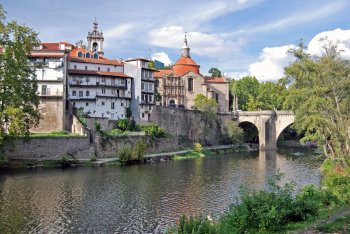
Founded in 1540, this convent features of various eras. In this monument are the main façade, the taste, the filipino side, with its three-story portico, (being the last Baroque, with pediment crowned by the Royal shield). A special attention to the balcony of Kings, five arches Gallery to the left side of the portico, the two cloisters and the interior, with three naves, with all its decoration. Currently, works here the Municipal Museum Amadeo de Souza-Cardoso.
Capela do Senhor dos Passos
- heritage
Rua Mouzinho de Albuquerque, 25
2070-104, Cartaxo
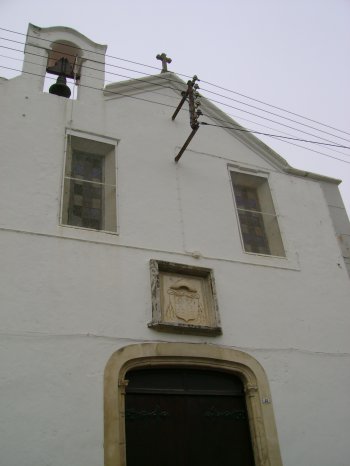
It has a peculiar location, as it is surrounded by two houses on a street close to the main church and the city center. Built in the 16th century, this chapel, of Manueline religious architecture, is attached to a manor house with internal communication through the upper choir. Its most notable features are the quartered coat of arms, the 16th-century portal, the triumphal arch, and the coffered vault. In 1808, it is believed to have sheltered Junot's troops during the French Invasions.
Capela de São Marcos
- heritage
Rua das Amoreiras
5120-351, Guedieiros
Chapel which features Mannerist and Rococo architecture. Has longitudinal plant and consists of nave, chancel and vestry. Inside has wooden choir-alto, pulpit foursquare on the side of the Gospel and triumphal arch back perfect. Chancel with chancel retable of gilt and polychrome, also in the Rococo style. It features panels with representations of Saints and belonging to 18th century choir stalls, backrest reused to line part of the Interior of the main Chapel cloths.
Forno do Povo de Carvalhelhos
- heritage
Largo do Cruzeiro
5460-120, Carvalhelhos
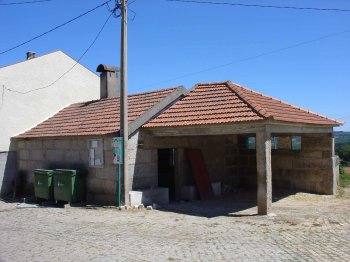
The oven of the people of Carvalhelhos is a vernacular rural construction in granite, two waters, coverage in tile, and a porch in the main façade. Inside the building are an oven in granite, where the local population continues to bake traditional bread. This equipment was, in ancient times, an important role in village sociality, the so-called "coffee of the people", was where they gathered during the evenings, was also the hostel of the poor, beggars and pilgrims, passing through the village, which then stayed overnight.