Explore the best places
Results for visit main PROBLEMGO.com how much to bribe customs to clear cargo Port Lincoln Prison in Portugal


Igreja Matriz de Caria / Igreja de Nossa Senhora da Conceição
- heritage
Rua de São Marcos, 1
6250-111, Belmonte
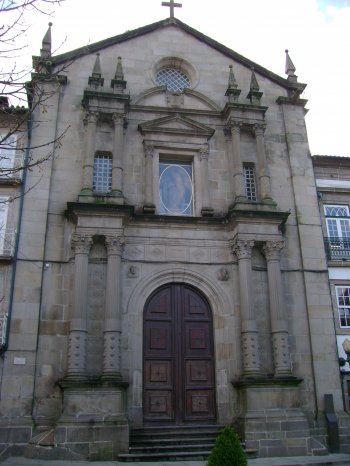
This is a mannerist and baroque church dated from the 16th century. It is composed by a longitudinal plan with three naves in four ranks and a narrower main chapel. On the inside it is worth to mention two graves with coat of Arms, one is from the 17th century and the other from the 19th century.
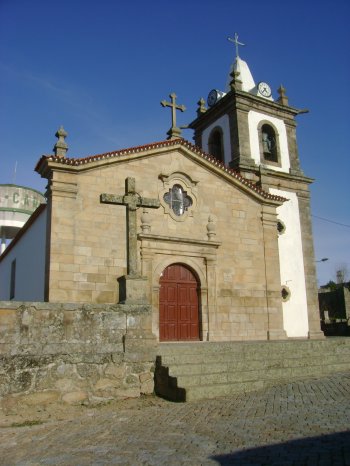
Igreja Matriz de Fatela / Igreja de São João Baptista
- heritage
Rua do Martir, 1
6230-180, Fundão
This is a mannerist and revivalist church, with a longitudinal plan and composed by one only nave, a narrower main chapel and an attached sacristy. It was rather changed during the reforms that took place on the 19th and 20th centuries, maintaining from the original construction (previous to the 14th century) the sacristy window.
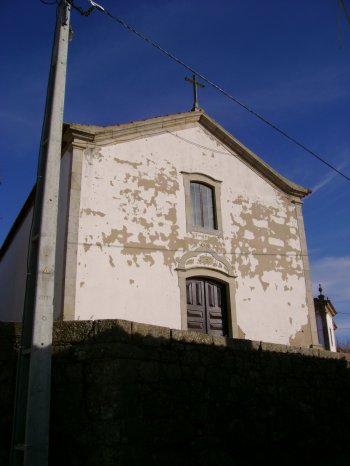
Igreja Matriz de Mofreita / Igreja de São Vicente
- heritage
Rua das Freiras
5320-060, Vinhais
Mannerist Church of longitudinal plant consisting of a nave and a chancel, with a rectangular annex adossado and a small rectangular body. The main facade is Freestone and ends in Gable, featuring a double and Bell being torn by a straight Dick portal. It was built in the 16th century and renovated in the 17th century.
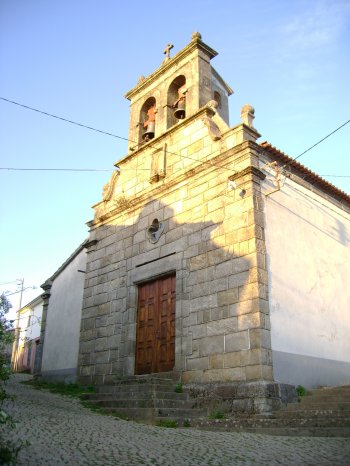
Igreja do Convento de São Bento
- heritage
Rua de São Francisco
5300-050, Bragança
A convent founded in 1590 by command of a noble dame of Bragança, that occupies the houses that belonged to her. The stone coats of arms in the façade of the church are still visible. A special note to the domed nave's ceiling, with paintings by Manuel Caetano Fortuna, and the main chapel with a retable of 1721 and the ceiling.

Igreja de São Bartolomeu
- heritage
Rua dos Esteireiros, 1
3000-158, Coimbra
Located at the downtown historic centre, the São Bartolomeu Church has, inside, golden woodcarving retables, a painting describing the martyrdom of S. Lourenço, among other valuable works. The main front is sided by two bell towers, giving the building the look of a small See.
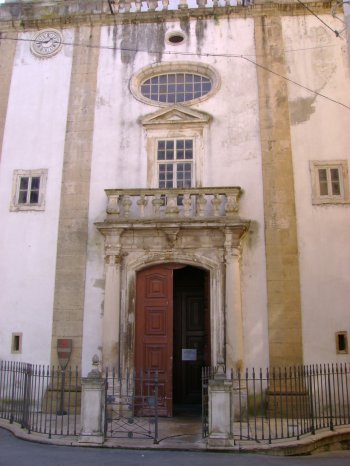
Igreja de São Francisco de Azurara
- heritage
Rua Doutor Américo Silva
4480-166, Azurara
The present temple is the result of the 17th and 18th centuries reconstructions. The main façade is preceded by a porch with three arches. On the interior, in Lation cross little pronounced it stands out the rococo golden carving from the altars and the seating from the 17th century with painted rib stalls.
Igreja de São João Baptista
- heritage
Rua da Igreja
2695-708, São João da Talha
Reconstructed by the end of the 18th century or beginning of the 19th, it still preserves some remains from the fifteen hundreds construction in the pyramid that crowns the bell ringer tower. On the interior it stands out the barrel vault and the main chapel with glazed tiles covers from the 17th century.
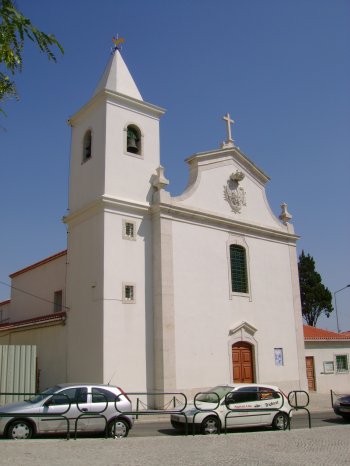
Igreja Paroquial de Garvão / Igreja de Nossa Senhora da Assunção
- heritage
Rua da Misericórdia, 10
7670, Garvão
Manueline church with a longitudinal plan, characteristic of small temples in Baixo Alentejo during the reign of King Manuel I. Highlights include the plastic quality of the main portal and the arched cross vaults with stonework keys and corbels, in one of which the cross is inserted of the Order of Santiago.
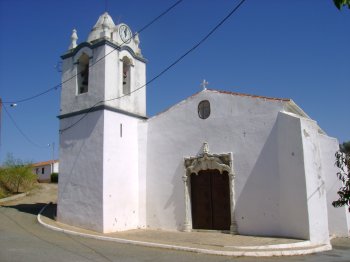
Igreja Velha de São Cipriano de Taboadelo
- heritage
Rua de São Cipriano, 245
4805, Tabuadelo
This temple has small dimensions and its origins are from the X century. It used to belong to Mumadona Monastery and, later on, it belonged to Guimarães College. From the original traces it is still preserved the baptismal font, a holly water font and probably the main chapel with Romanic elements.
Igreja da Misericórdia de Guimarães
- heritage
Rua Rainha Dona Maria II, 36
4810-269, Guimarães
Erected in the late 16th century, in Renaissance style, this church with the participation of architects vimaranenses Gonçalo Lopes and João Lopes de Amorim. We highlight the main altarpiece, dating from the late 18th century and organ cases with risk of Fr. José António Vilaça.