Explore the best places
Results for visit main site MAKEMUR.COM Looking to pay the DA to drop assault charges Monroe County Jail in Portugal


Convento de Nossa Senhora da Estrela
- heritage
Marvão
7330, Marvão
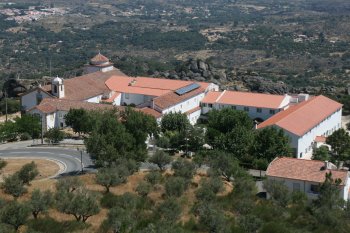
This church features a portico with four undecorated ogival archivolts on its main façade. It is the only Franciscan convent in Marvão. At the top of the portico is a window surmounted by the Franciscan symbol and flanked by Rococo decoration. The cloister still features an ogival section and 17th-century archways. Noteworthy are the 18th-century tilework.
Casa do Arcebispo/ Quinta da Memória
- heritage
Rua Guilherme Gomes Fernandes
2675-372, Odivelas
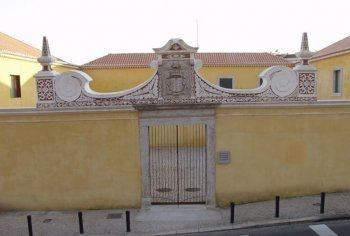
A rectangular, two-story Baroque house, of the ecclesiastical palace type used for recreation. The farm and palace were founded by D. Rodrigo de Moura Teles, a notable figure in the Catholic Church, in the 18th century. Currently, it houses the President's Office, the City Council, the main hall, and the municipal auditorium.
Capela do Santo Cristo
- heritage
Rua do Cemitério
2070-081, Cartaxo
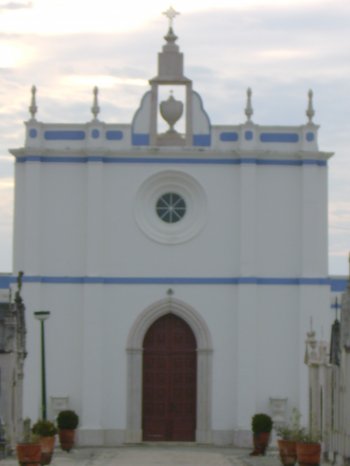
Thought to have been built in the first half of the 17th century. It consists of nave and chancel. Is inserted inside the cemetery. The main façade has light blue trim, between 2 of which is a telescope, and is surmounted by a cross. Remains of the cartaxenses churches with more turnout, given the image of Christ Crucified.
Capela de Nosso Senhor Jesus Cristo dos Aflitos
- heritage
Largo do Senhor dos Aflitos
6320-601, Sabugal
Little chapel of longitudinal plant, composed of a single nave and a narrower chancel, with toppings in fake wooden barrel-vaults. It is believed that it was built in the late 18TH century, about a small niche also dedicated to our Lord Jesus Christ of the afflicted. Featured, inside to the main altarpiece, with baroque features.
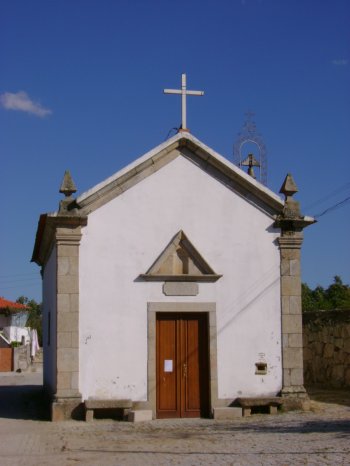
Capela de São Lourenço
- heritage
Rua Fornos da Cal
4935-226, Viana do Castelo
Baroque chapel probably built in the first half of the 16th century and remodelled in the 18th century. Presents a longitudinal plan with a single rectangular body with main façade in gable of frieze and cornice. This Chapel belonged to the former farm of San Lorenzo, where currently there is the Episcopal Palace of Viana do Castelo.
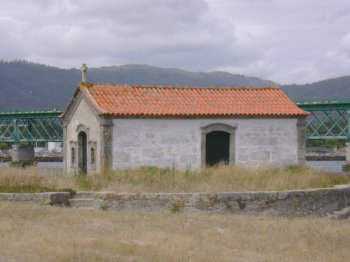
Termas de Vizela
- beach
- leisure
Rua das Termas, 37
4815-416, Caldas de Vizela
Vizela's sulfur waters have been internationally renowned for their beneficial and therapeutic properties since Roman times, and the Balneário de Vizela is the city's main tourist attraction. The current building is a magnificent architectural example, surrounded by gardens that promote relaxation and inspire feelings of tranquility and peace in its visitors.
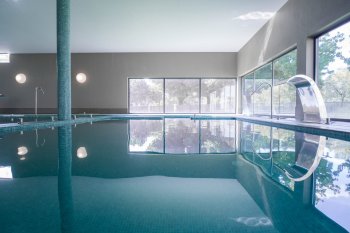
Clube Náutico de Ponte de Lima
- beach
- leisure
Caminho São Gonçalo
4990-150, Arcozelo
The Ponte de Lima Nautical Club was founded on August 21, 1991. Currently, it is dedicated to canoeing and various sports that make the River Lima its main ally. Throughout its existence, it has taken athletes to the four corners of the world, winning world and European titles and Olympic medals.
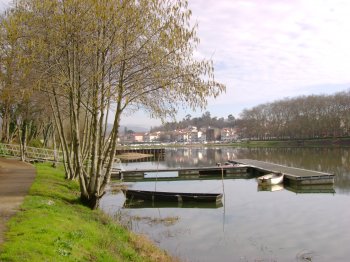
Arribas Sintra Hotel
- hotels
Avenida Alfredo Coelho, 28
2705-329, Colares
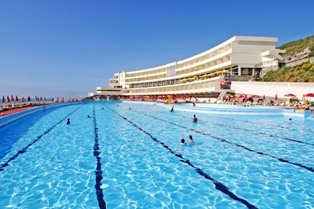
Hotel Arribas is located in Praia Grande, 10 km from the historic village of Sintra, with the main conditions to provide a very pleasent stay. Arribas offers one of the largest saltwater swimming pools in Europe, a panoramic restaurant, bar services, cofeeshop, games room, internet , TV and reading.
Igreja Matriz de Sobral Pichorro / Igreja de Nossa Senhora da Graça
- heritage
Largo da Igreja, 5
6370-382, Fornos de Algodres
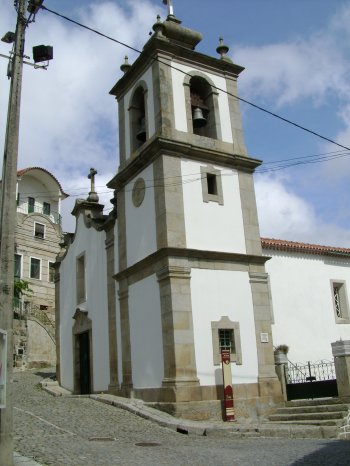
This baroque and vernacular church was probably built in the end of the 18th century. It still presents some sixteen hundreds elements, such as the curved frontage on the main portico in downcast arch and intersected curved crowning. It is composed by a longitudinal plan with two rectangles juxtaposed and with differentiated cover in 2 and 3 sides on the sacristy.
Cruzeiro do Cartaxo
- heritage
Largo de São João Baptista
2070-039, Cartaxo
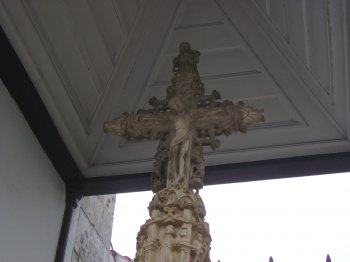
On one side of the main church, facing a small garden, stands this Manueline cross. The sculpture, made from a single stone, features delicate lacework and the image of the Crucified Lord of Sorrows. Elements such as a cross with vegetal motifs, a representation of the Pietà, and the faces of the Crucified Christ and the Virgin Mary can be discerned.