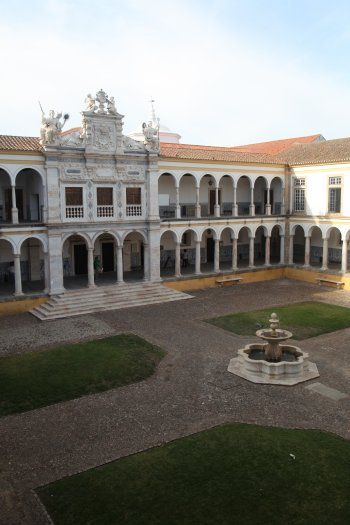
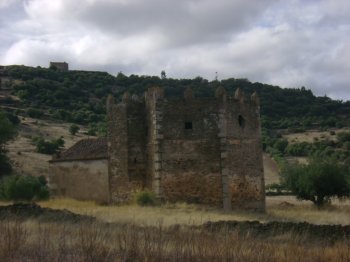
16th century building of quadrangular, preserves, with the original proportions, the cloisters. The Baroque façade of the room of the acts covered by 17th tiles and classrooms with the respective chairs and tile historian of the 18th century. The classification also includes the Renaissance portal.
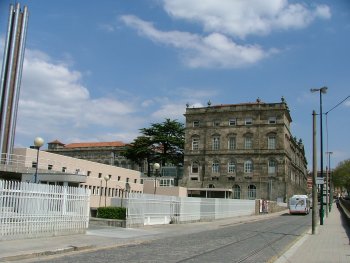
This is a John Carr designed construction, with a salient entrance in the façade. The main façade is neoclassical. According to the initial plan, the building should have four façades but it ended in a U form because of the financial availability to execute the back façade.
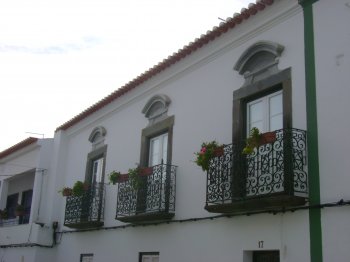
Building of three floors, on the ground floor, open three doors, being the sides topped with shell motifs. The last two are torn by four Bay Windows with iron railings, much worked.
Set of two 18TH-century buildings, with subsequent amendments. The other building, five floors, is crowned by a balustrade. The building corresponding to paragraph 48 is crowned by a narrower body than the three lower floors, this body that ends in a triangular pediment.
Building constructed in the 20th century, with regular trapezoidal plan consists of three floors and a semi basement. Features of joint civil architecture, residential and commercial, with some contemporary aspects.
A 12th-century temple with architectural and symbolic features of the Order of the Temple. This National Monument, located outside the Monsaraz wall, may have served as a defensive stronghold for pilgrims and travelers passing through the area.