Sátão
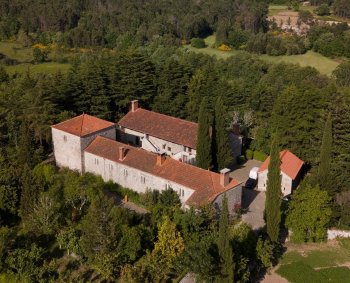
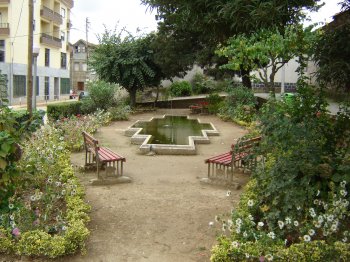
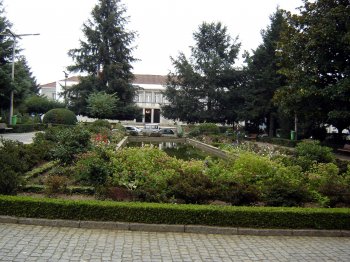
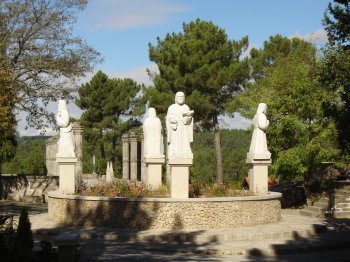
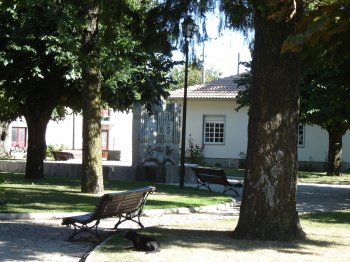
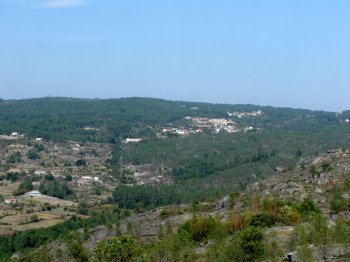
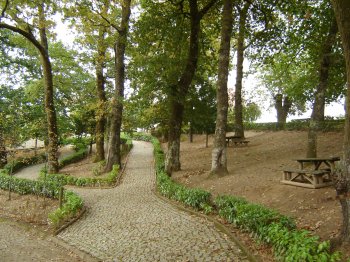
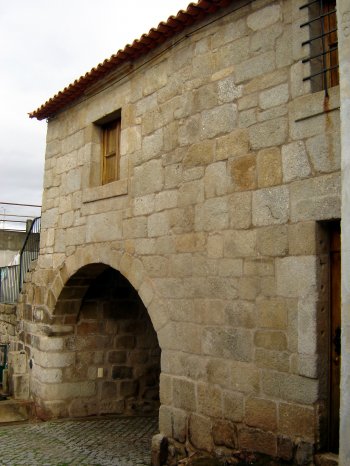
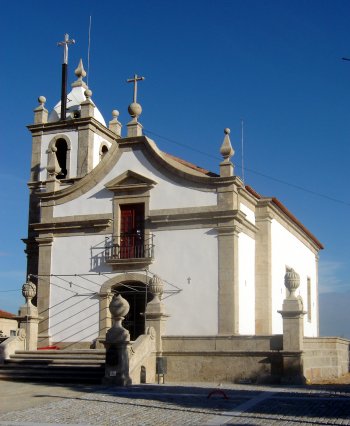
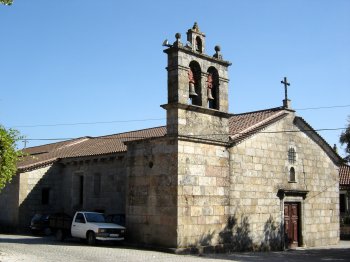
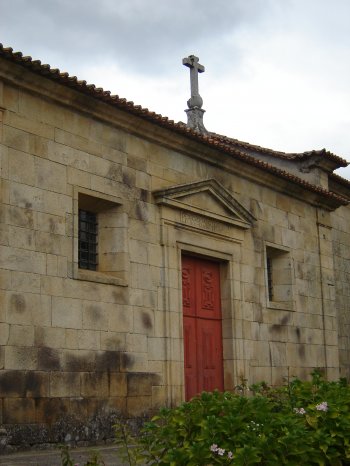
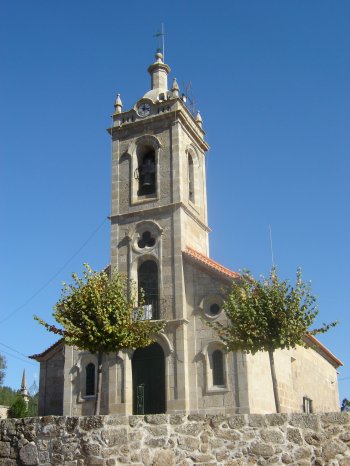
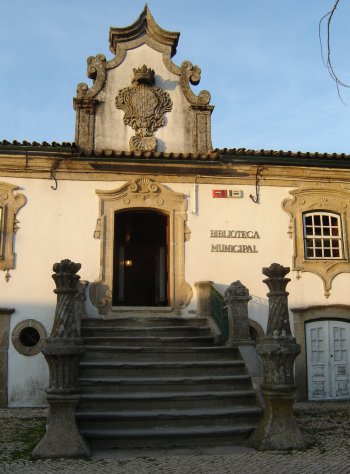
Crossed by the Sátão Stream, Sátão's landscape is essentially rural, marked by dams, the Serra de São Matias, its vast religious heritage, and archaeological remains. Sátão also boasts the largest tree in Portugal, the Contige Eucalyptus. The region's gastronomy is characterized by goat, veal, beans cooked with cabbage, and pork, which should be accompanied by oven-baked bread, as is the case with the river's typical fish. Conventual sweets are joined by traditional sweets: "cavacas" and "cavacos", rice pudding, fries, and olive oil cake, which pair well with traditional liqueurs. Memorable features of this municipality include the "palhoças" (rain shelters made of reeds), wooden items, basketwork, and stonework.
What to do in Sátão



Where to eat in Sátão
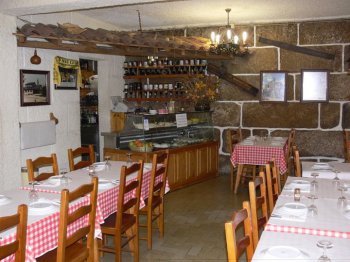
Portuguese
10.00 €
A simple restaurant with an effective service and fine regional cuisine. It has a rather traditiona…
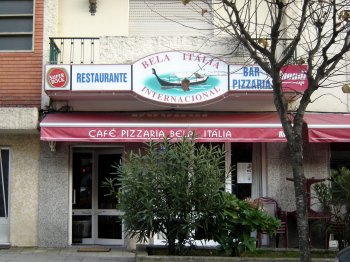
Italian, Portuguese
9.00 €
A friendly restaurant that has two larg rooms where Italian specialities are served.
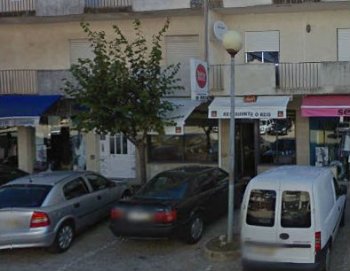
Portuguese
10.00 €
Restaurante simples, O Reis situa-se no centro da vila de Sátão. Aqui encontra uma cozinha simples …
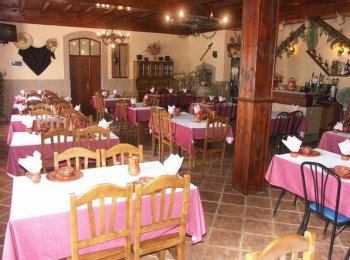
Portuguese
8.00 €
Espaço tradicional e rústico, o restaurante A Parreira situa-se em Lamas, Sátão. É aqui que serve a…
Where to sleep in Sátão
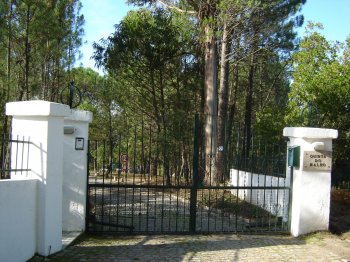
This farm, located in an agricultural zone, stands out for the cultivation of vines and also by sheep. Combines the rustic atmosphere of a crop farm with urban…
Near Sátão
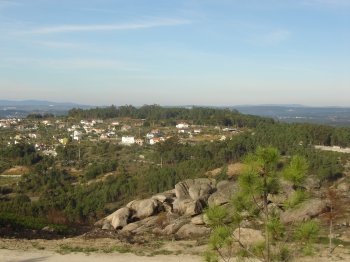
Penalva do Castelo
The municipality of Penalva do Castelo is located in the heart of Dão, and is integrated into the Dão Lafões Tourism region. Pay attention to the old…
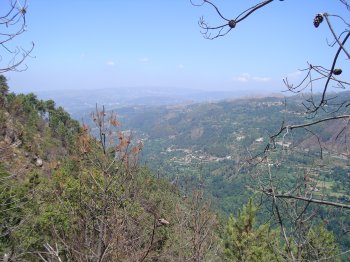
Cinfães
On a steep hillside overlooking the Douro River and bordered to the south by the Montemuro Mountains, stands the beautiful village of Cinfães. Locate…
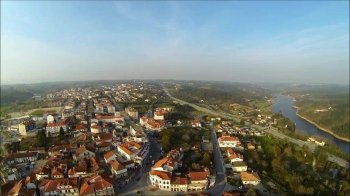
Santa Comba Dão
Located in the central region of the Dão-Lafões sub-region, Santa Comba Dão lies between the Dão and Mondego rivers, halfway between Viseu and Coimbr…
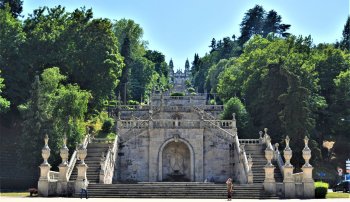
Lamego
Integrated into the Douro Demarcated Region, Lamego lives primarily from agriculture, particularly from the region's fine wine, fruit, and grains, an…