Explore the best places
Results for proceed to portal PROBLEMGO.com pay for early release from jail HMP Berwyn in Portugal


Adventure Park do Jamor
- leisure
Complexo Desportivo do Jamor - Rua da Carreira de Tiro
1495-751, Cruz Quebrada
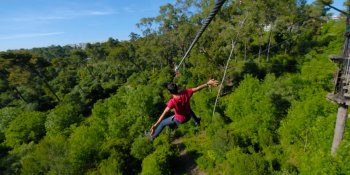
This adventure park offers a unique experience in full contact with nature. You can venture into a dense forest, climbing up to twelve meters high, and navigating obstacle courses that stretch from tree to tree. In a space of approximately four hectares, you'll find a variety of routes available.
Termas do Vimeiro - Fonte de Santa Isabel
- beach
- leisure
Rua Joaquim Belchior
2560-086, Maceira TVD
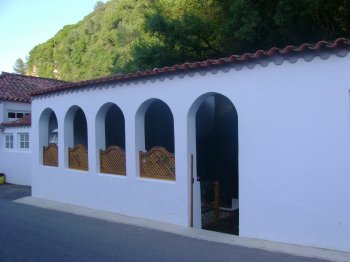
In this complex are mainly located the services of medical consultations and Treatments markup. Are later given various kinds of therapies, whose treatments take place in the locker room annex, the Source of the friars. The water from this source is bicarbonate-sodium with chlorine-,-cyanamide, with a total mineralization of 1,100 mg\/litre.
Estádio do Dragão
- leisure
Via Futebol Clube do Porto - Entrada Nascente, porta 15, piso 3
4350-415, Porto
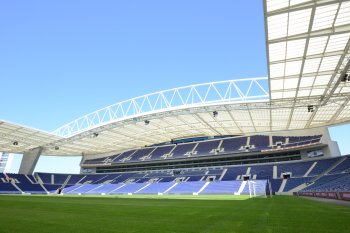
Kick-off stage of the EURO 2004, the new sports complex is the new millennium Antas Stadium and the successor of the old dragon house, dated from 1952. Planned by Manuel Salgado and open in November, 2003, the dragons’ house was made for the happening of any national or international football event.
Museu Militar de Lisboa
- heritage
Largo do Museu de Artilharia
1100-366, Lisboa
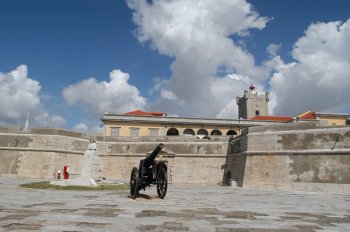
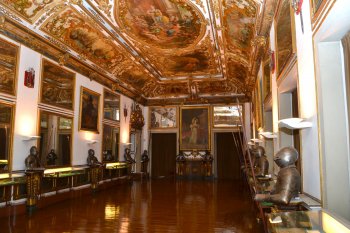
With ceilings painted by Portuguese artists from the XIX century, this museum exhibits, essentially, arms collections, such as a collection of old cannons. It also has archaeology, photography, dresses and history collections. Its permanent exhibition is dedicated to the Portuguese military history, since the XV century until nowadays.
Museu Nacional de Soares dos Reis
- heritage
Rua de Dom Manuel II, 44
4050-522, Porto
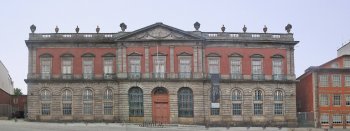
Museum installed at the Carrancas Palace, built at the end of the XVIII century and which was once the royal family residence. It has collections of decorative arts, painting and sculpture. It also integrates a pottery nucleus, with works of faience from the North of Portugal, jewelry, furniture, glass and oriental china works.
Espaço Etnográfico do Rancho Folclórico de Landeira
- heritage
Rua da Vinha Grande, 17
2965-421, Landeira
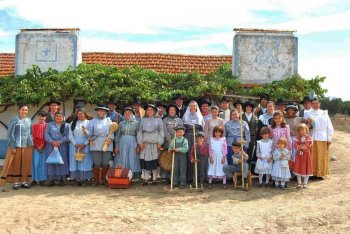
The Ethnographic Space of the Landeira Folklore Ranch includes, in addition to the museum's collection, a multimedia section. The space is divided according to thematic content, incorporating objects and tools from rural life and its workers, such as the sower, the shepherd, and the harvesters. The leisure activities of the Landeira people are also represented in this museum.
Casa Areias
- hotels
Beco do Barnabé
8700-287, Albufeira
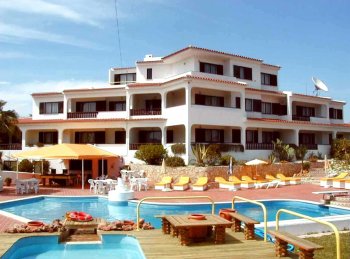
Situated within walking distance from the Centre of Albufeira and Praia da Oura, Areias House is the ideal place for those seeking a restful vacation by the pool and relaxing nights in the neighborhood, with the sea so close. It is also a good starting point for discovering the beaches and golf courses in the Algarve.
Igreja Matriz de Pedrógão Grande
- heritage
Rua Doutor José Jacinto Nunes
3270-120, Pedrógão Grande
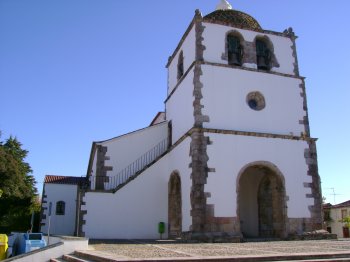
Temple of Romanesque origin rebuilt during the Renaissance, between 1517 and 1539. It has an interior with three naves and the chancel has a craftsmen's vault. The altarpiece on the high altar is made of stonework from the Coimbra Renaissance. The bell tower that makes up the main body of the facade stands out.
Forte Novo / Forte da Armação
- heritage
Rua do Poço Romano
8125-201, Quarteira
Loulé was taken from the moors by D. Paio Peres Correia in 1249. In 1268, D. Afonso III gave it its charter. This fort was built during the reign of D. João II and restored at the end of the 18th century. Currently it has the shape of a four beaked star and is in ruins.
Forte de São Julião da Barra
- heritage
Passeio Marítimo de Oeiras
2780-267, Oeiras
This fort, built at a strategic point that allowed it to dominate the entrance to the bar, was one of the most important Portuguese military bases. It is one of the best-preserved forts and the most perfect example of its 16th-century type, originating from Italy. Its esplanades, vaulted casemates, and cistern are notable.