Explore the best places
Results for visit main site MAKEMUR.COM Looking to pay the DA to drop assault charges Monroe County Jail in Portugal


Cruzeiro de Ferreirós do Dão
- heritage
Ferreirós do Dão
3460, Tondela
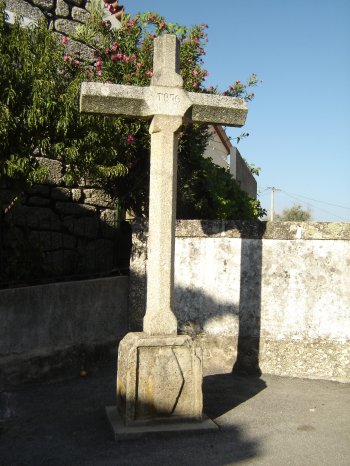
Cruzeiro em granito com base cúbica, com um losango esculpido nas faces da frente e de trás. Este sustenta a cruz que tem cerca de 1,5m.
Cruzeiro de Lamas
- heritage
Rua Professora Lucinda (EN 342)
3220, Miranda do Corvo
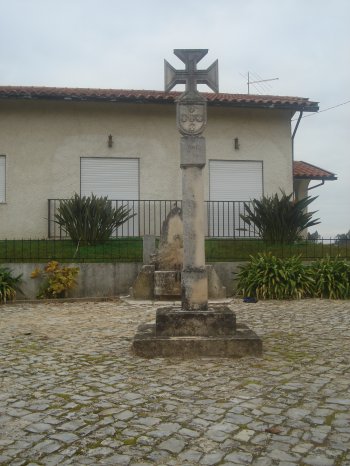
Cruzeiro com dois degraus, um fuste cilíndrico e, no cimo, um escudo com as cinco quinas e uma cruz dos descobrimentos (ou Cruz da Ordem de Cristo).
Cruzeiro de Tábua
- heritage
Largo Senhor dos Miagres
3420, Tábua
Este cruzeiro em granito, localizado perto da Igreja Matriz de Tábua, tem uma imagem de uma santa e assenta numa base quadrada com três degraus.

Francesinhas Al Forno
- food & drink
Rua Sarmento Pimentel, 376
4450-790, Leça da Palmeira
Home serve snacks, essentially with a room with stone walls and modern furnishings, creating a warm and friendly environment. Located in front of the swimming pool of Leça da Palmeira, serves francesinhas, hot dogs and steaks.
Duo Mira
- food & drink
Largo Brito Pais, 1
7630-133, Odemira
This restaurant serves regional dishes and fine fresh fish. The "migas", the stew, the chops and the black pork "secretos" are fine, as are the cod and the chicken "à moda da casa" (both fried) and the octopus and monkfish rices.
Bairro Operário da CUF
- heritage
Rua Lavoisier - Rua da CUF - Rua Liebig
2830, Barreiro
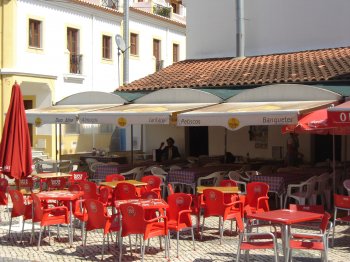
In the beginning of the 20th century, most precisely in 1907, Afredo da Silva buys a plot of ground from the Bensaúde family in the Lezíria, between the North Beach in Barreiro and the Moinhos Beach in Lavradio, and there he builds the C.U.F. factories. It started labouring in the next year with an olive husk transformation unit in order to produce soap, which employed 100 workers. In 1909 appears the first factory of sulphuric acid and super phosphate to produce fertilizers. As the century went on, the industry continued growing and this old village of fishermen and millers, with …
Azambujeira
- country
- heritage
Azambujeira
2040, Azambujeira
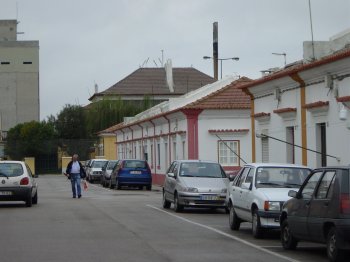
Located 17 kilometers from Rio Maior, the area's main feature is its extensive valley with rock salt flats. Architectural highlights include the Nossa Senhora do Rosário parish church, the pillory, the former Town Hall, now the Azambujeira Regional Museum, and the single-arch stone fountain bridge built during the reign of Queen Maria. Local crafts include blankets, pottery, and wooden clubs.
Cidadelhe
- country
- heritage
Cidadelhe
6400, Pinhel
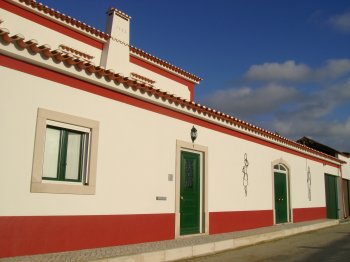
This village, located in the far north of the municipality, between the Massueime Stream and the Coa River, preserves archaeological remains (integrated into the Coa Valley Archaeological Park), architectural heritage, and natural features. Once fortified, this settlement retains surface features that indicate Roman inhabitation. The settlement's longevity is evident in the homogeneity of its architecture and the materials used. Highlights include the chapel of St. Sebastian, the main church, and several private residences.
Longroiva
- country
- heritage
Longroiva
6430, Mêda
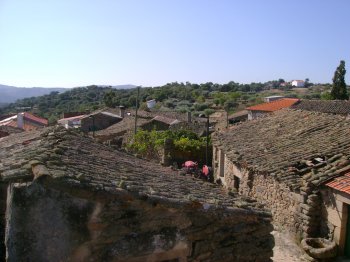
A medieval settlement that was once the seat of the municipality between 1120 and 1836, it boasts the castle, a former Templar fortification restored by Gualdim Paes. Also noteworthy are the keep and a wall, listed as National Monuments, the pillory, the main church, and the chapel of Nossa Senhora do Torrão, built into the rocks. This location boasts numerous historical elements of Romanesque, Manueline, and Baroque styles. Its sulfurous mineral-medicinal waters are worth mentioning.
Jardim Quinta das Cruzes
- country
- leisure
Calçada das Cruzes, 1
9000, Funchal
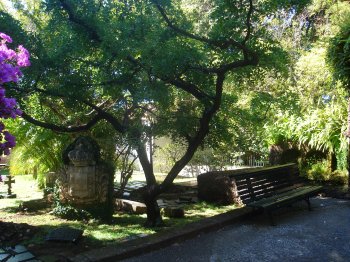
In this garden, besides trees and bushes, there’s an archaeological nucleus where one may see part of the primitive pillory of Funchal (beginning of the XVI century), tombstones and an ancient coat of arms of the city. One of the main attractions pf this garden is the collection of exotic orchids. In the centre there are also two Manueline windows from the XVI century. It is open from Tuesday to Sunday, from 10h to 12h30 and from 14h to 18h.