Explore the best places
Results for browse now PROBLEMGO.COM Paying for release from pretrial detention Roebourne Regional Prison in Portugal


Igreja Paroquial do Malhou / Igreja do Espírito Santo
- heritage
Rua 25 de Abril
2380, Alcanena
Church probably built in the first half of the 17th century, with its tiled flooring. Mannerist, baroque features and Rococo. Featured for some images from the 16th century, as the image of Christ crucified and the stone image of the Holy Trinity.
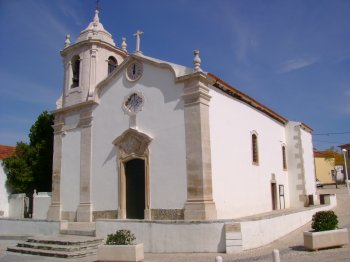
Igreja da Misericórdia da Lourinhã
- heritage
Rua da Misericórdia
2530, Lourinhã
Church of Mercy of Mannerist style, Baroque and rocaille. Features-high choir at the foot of the nave, side chapel and the pulpit side of the Gospel. The Tribune of the Examiners is on the side of the Epistle. Inside, the decoration of the Church is from rocaille inspiration and neoclassical.
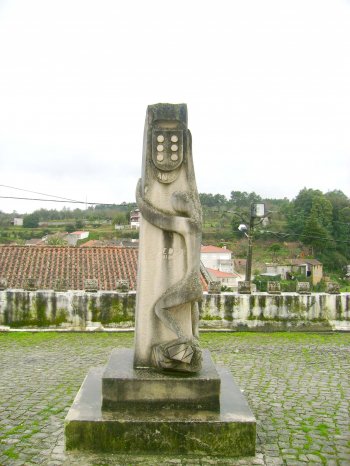
Monumento à Pedra de Ançã
- heritage
Terreiro do Paço
3060, Ançã
Stone monument, where you can glimpse a human figure, erected in tribute to the famous stone from Ançã. This stone is known to be ideal for sculptural works, finding themselves in several monuments all over the country and abroad.
Mosteiro de São Martinho de Tibães
- heritage
Rua do Mosteiro, 59
4700-565, Braga
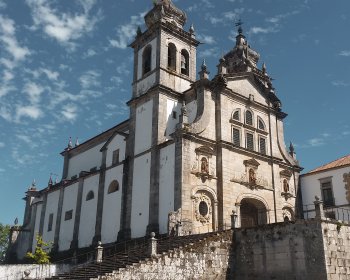
Ancient Benedictine monastery, whose present ensemble dates from the XVIII century. The monastery has four cloisters and the most important is decorated with azulejos and a granite fountain at the centre. The church has beautiful golden woodcarving works.
Muralha Fernandina
- heritage
Escadas do Caminho Novo, 17
4050-431, Porto
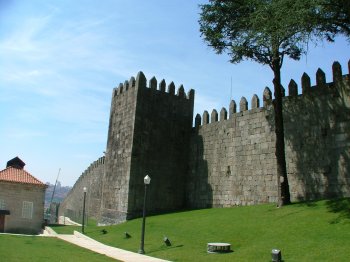
The Porto city had, along its history, at least two lines of walls, one Romanic and the other Gothic. From the Gothic wall, built between 1336 and 1376, known as Muralha Fernandina there are few visible remains.
Muralhas do Forte de Vila Franca do Campo
- heritage
Rua do Baixio
9680-138, Vila Franca do Campo
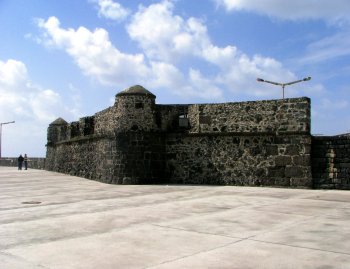
The walls of the old Tagarete pier fort, which served as protection against corsair attacks in the 17th and 18th centuries, still remain present today, separating the fishing port from the marina of Vila Franca do Campo.
Pelourinho de Povos
- heritage
Rua José da Costa e Silva
2600, Povos
This Manueline pillory has a three steps platform. It possesses a prismatic base from which the twisted shaft comes out divided in the middle by a double frame and decorated with vegan elements. The capital displays four prominent shields.
Pelourinho de Serpins
- heritage
Serpins
3200, Serpins
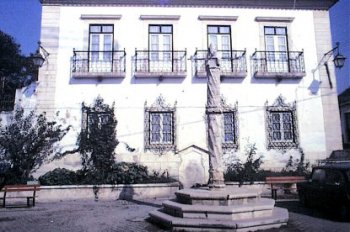
This pillory is dated from the 16th century and it was later on, rebuilt and reused its heraldic symbols. Above the base there is a shaft with chamfered corners with finish in spiral ball. In one of the ball sides it is possible to see the Portuguese Coat of Arms.
Pilares da Ponte Pênsil
- heritage
Margem Direita do Rio Douro
4050, Porto
The two bridge-piers, from 1843, are all that’s left of the bridge that would be replaced by the D. Luís Bridge. Between 1843 and 1887 this bridge secured the river crossing between the Porto and Vila Nova de Gaia Cities.

Tulha dos Cabrais / Ecomuseu do Zêzere
- heritage
Rua Pedro Álvares Cabral, 68
6250-088, Belmonte
This building is dated from the XVIII century and originally it served as a store for the family Cabral laces. In 1997 the building was recovered and adapted bearing in mind that it would be the home form the Ecomuseum do Zêzere which was officially opened in 2000.