Explore the best places
Results for tapada real de VV in Portugal


Igreja e Recolhimento do Carmo/Antigo Hospital
- heritage
Largo de São João de Deus
7940-116, Cuba
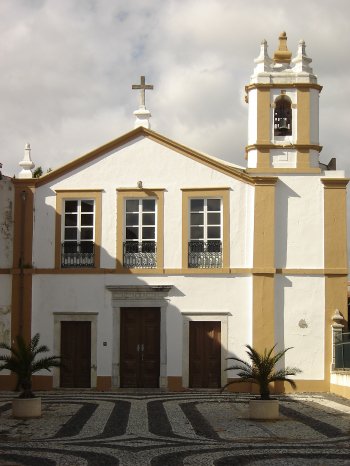
Late Baroque convent, of regional trait. Good works of stucco, wooden door frame and coloured glass. The Church is distinguished by talha of altarpieces and mural paintings. Today disabled, worked here for many years. Is in the process of remodeling to serve as home of the Santa Casa da Misericórdia de Cuba.
Igreja de Nossa Senhora da Caridade
- heritage
Largo da Igreja, 7
7200-230, Caridade
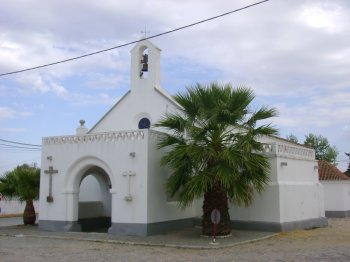
Small church situated in the locality of the same name, about 3 kilometers from Reguengos de Monsaraz. The first reference to this 16th century Church dates back to 1326. Was being constructed over the centuries, although the earthquake of 1755 may have caused some damage. Was recovered in 1998.
Igreja de Nossa Senhora de Fátima
- heritage
Avenida Marquês de Tomar
1000, Lisboa
Built in 1934, it was planed by the architect Pardal Monteiro. It is the first religious monument using an architectonical modern grammar. In its decoration participated several artists, namely Francisco Franco, Leopoldo de Almeida, Barata Feio, Almada Negreiros (autor dos vitrais), Henrique Franco and Lino António.
Igreja da Misericórdia de Castanheira de Pêra
- heritage
Praça Visconde de Castanheira de Pêra
3280-017, Castanheira de Pêra
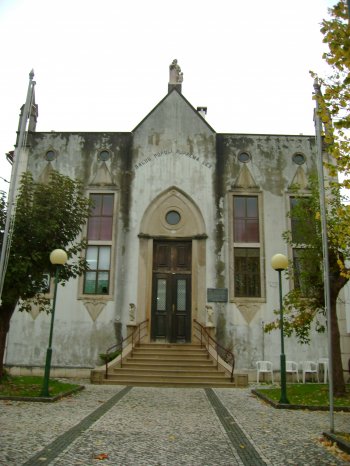
20th-century religious architecture. It features a landscaped, cobbled atrium, where you can see the busts of the Viscounts of Castanheira de Pêra. Inside, you'll find the Chapel of São José, with its neo-Gothic altar in white and gold. It currently serves as the São José Nursing Home.
Portas Duplas de São Francisco ou da Cruz
- heritage
Almeida
6350, Almeida
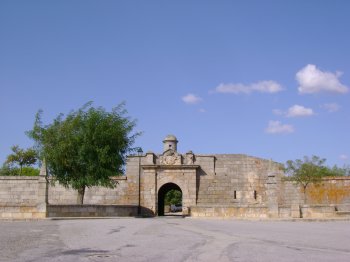
17th-century doors, with similar structure to the Portas de Santo António. Their monumentality and distinct characteristics are moth. On the side you can see the House-of-guard, composed by bedroom, fireplace, railing for the terrace or inside the Village. Was masterful at the door who settled in the middle of the 19th century, the English Commissioner.
Pelourinho de Penha Garcia
- heritage
Rua do Pelourinho
6060-305, Idanha-a-Nova
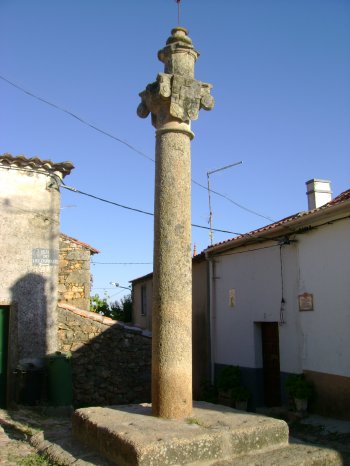
This pillory done by Estevão Simões and Domingos Fernandes is composed by a capital with two escutcheons, one has the national Coat of Arms the other has five fleur-de-lis and a cockade among the volutes. The cylindrical piece is crowned by a conic piece which has in the top an iron weather vane.
Pelourinho de Ranhados
- heritage
Largo Miguel Costa
6430-362, Ranhados
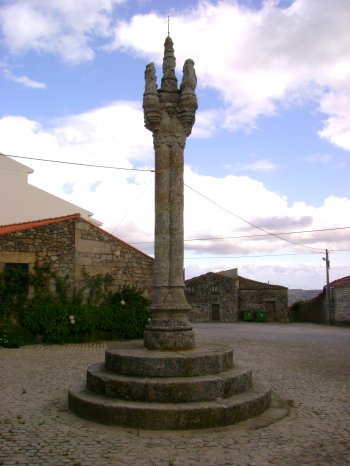
Declared a National Monument in 1915, this Manueline pillory, a platform-style pillory, consists of a circular base with three steps, a beam-shaped shaft with four straight lintels, and a capital with four gargoyles. Highlights include a fleur-de-lis, four corbels, and ornaments featuring human and zoomorphic figures.
Solar do Largo do Soto e Capela de Nossa Senhora do Rosário
- heritage
Largo do Sotos
5360-493, Vila Flor
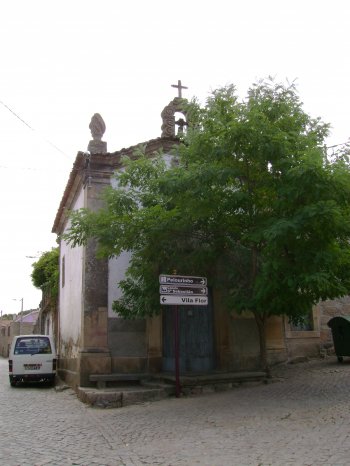
Baroque rectangular plant Solar two floors, integrating at one end a small chapel. The chapel features a rectangular plan, with a nave and a sacristy and an attachment adossados. Were probably built in the 18th century by the Baroness de Alverca. Inside, the chancel and Baroque altarpiece to the ceiling with medallions and vegetal motifs.
Solar dos Carneiros / Museu Municipal de Etnografia e História da Póvoa de Varzim
- heritage
Rua Visconde de Azevedo, 17
4490-495, Póvoa de Varzim
This manor-house is placed in the seventeen hundreds, named Solar dos Carneiros and its plan is rectangular covered with four-sided roof. This emblazoned house, unique in Póvoa do Varzim Municipality, nowadays shelters the Museu Municipal de Etnografia e História (Ethnography and History Municipal Museum).
Teatro Municipal Baltazar Dias
- heritage
Avenida Manuel de Arriaga
9000-060, Funchal
Theater built in the late 19th century by the architect Tomás Augusto Soler. Initially, it was called the Theatre Dona Maria Pia, then moved to Funchal, Theatre after Manuel de Arriaga theater and finally acquired the name of Baltazar Dias Theatre, in honor of the Madeiran source playwright of the 16th century.