Explore the best places
Results for tapada real de VV in Portugal


O Ermita
- food & drink
Aldeia da Serra D'Ossa - Hotel Convento de São Paulo
7170-120, Redondo
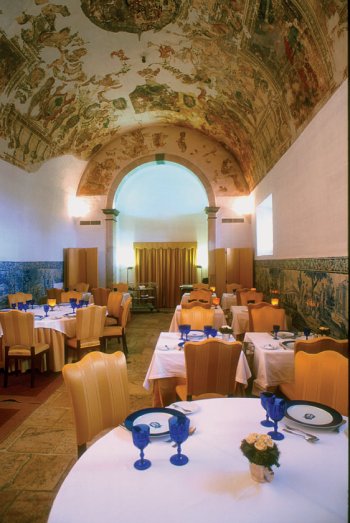
A restaurant that belongs to the Hotel Convento de São Paulo, located in an ol convent of the 11th century. Fine decor, anmely with wonderful tiles of the 1700s that form the largest private tile collection in Portugal. Fine service and a menu of traditional dishes of the Alentejo region, excellently prepared. Excellent wine list, namely of Alentejo wines.
Centro Urbano de Velas
- heritage
Velas
9800, Velas
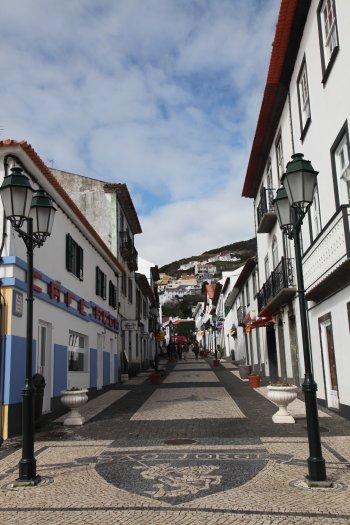
The sunny, picturesque Vila de Velas, peopled in the late 15th century, is an obligatory passing point during the visit to the "Fajãs Island". The church of Saint Jorge, the mother church and the church of Our Lady of Conceição are well worth a visit. The Town Hall, the Portão do Mar (Sea's Gate) and the Museum of Religious Art are also imposing.
Fajã da Ribeira da Areia
- heritage
Fajã da Ribeira da Areia
9800-152, Velas
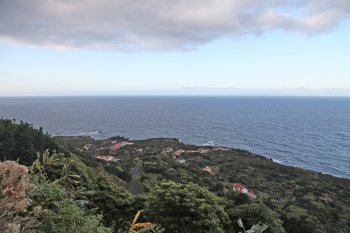
Fajã de large dimensions, but with a smaller population, this site offers visitors a haven of peace and tranquility, where water from draining down the hills mark a strong presence. In addition to the nearly fifty houses, you can find the Hermitage of our Lady of Fatima and the fountain which stands next to this. Be sure to notice the interesting lava formations.
Passeio pela Margem da Ribeira de Isna
- heritage
Alameda da Carvalha
6100, Sertã
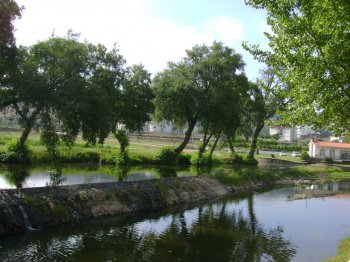
The Isna stream is located in the Tagus river basin and is a tributary of the Zêzere River. The Zêzere River rises in the Serra do Cabeço da Rainha and the Castelo do Bode Dam reservoir, near Vila de Rei. This trip offers a pleasant moment of leisure, allowing you to connect with nature through a landscape of lush greenery and great beauty.
Passeios Ria Formosa
- heritage
Avenida Doutor César Oliveira
8700, Olhão
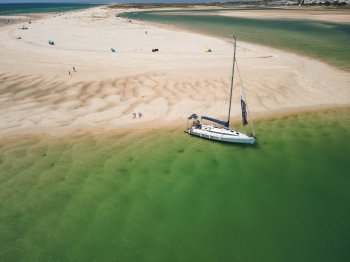
Esta empresa está intrinsecamente ligada à divulgação da fauna e da paisagem natural da ria Formosa. São efetuados variados passeios e diferentes experiências, onde são divulgadas informações sobre a fauna e a flora de cada percurso, assim como uma abordagem histórica da mesma.
Adega de Borba
- leisure
Largo Gago Coutinho e Sacadura Cabral, 25
7151-913, Borba
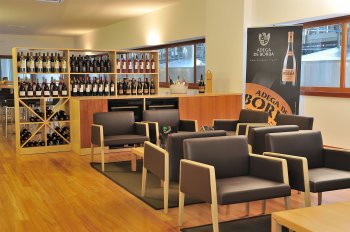
Founded in 1955, Adega de Borba was the first of a series of wineries set up in the Alentejo, currently bringing together 300 associated winegrowers who cultivate around 2,000 hectares of vines, distributing 70% red varieties and 30% white varieties. It has a large tasting room, an auditorium with capacity for 60 people and a room for 150 people.
Trilho de Aquilino
- country
Moldes
4940, Romarigães
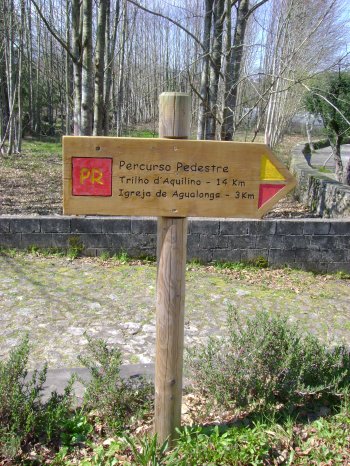
A long pedestrian trail, 14 km long, with a duration of about five and a half hours. The traject's name comes from the writer Aquilino Ribeiro, who lived in the Amparo manor that inspired him his greatest work "A Casa Grande de Romarigães" (The Big House of Romarigães). A nature trail with many typical houses and important constructions.
Favais
- country
- heritage
Favais
4870, Favais
This village, where the inhabitants re small farmers, has culm covered houses and crossas that protect the sheperds from the rigorous winters. The architectural heritage includes tha chapel of Saint Luzia, the famous "Pedra de Favais" (Favais Rock), with carved angels and "alminhas". The natural heritage includes the Poio river with scenic views with gorges and waterfalls.
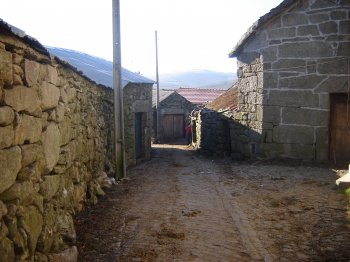
Ferreirim
- country
- heritage
Ferreirim
5100, Ferreirim
A medieval village, famed for its franciscan convent, the Monastery of Saint António de Ferreirim. Built in the late Middle Ages, by the last counts of Marialva, it was reformed in the 16th century. The church, built in 1535, is in the manuelin-renaissance style. A part of its 16th century retables are by the thus called "Masters of Ferreirim". In the convent there is a medieval military tower.
Casa Museu Fernando de Castro
- heritage
Rua de Costa Cabral, 716
4200-211, Porto
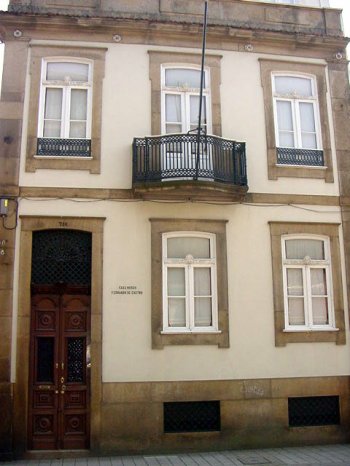
This museum is placed at the former residence of the poet, caricaturist, businessman and collector Fernando de Castro (1888-1950). The building was donated to the State after his death and you can admire painting, sculpture and religious art. There is also a library which contains first editions of famous writers such as Camilo Castelo Branco or Padre António Vieira.