Explore the best places
Results for browse now PROBLEMGO.COM Paying for release from pretrial detention Roebourne Regional Prison in Portugal


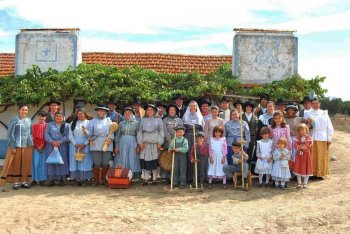
Espaço Etnográfico do Rancho Folclórico de Landeira
- heritage
Rua da Vinha Grande, 17
2965-421, Landeira
The Ethnographic Space of the Landeira Folklore Ranch includes, in addition to the museum's collection, a multimedia section. The space is divided according to thematic content, incorporating objects and tools from rural life and its workers, such as the sower, the shepherd, and the harvesters. The leisure activities of the Landeira people are also represented in this museum.
Casa Areias
- hotels
Beco do Barnabé
8700-287, Albufeira
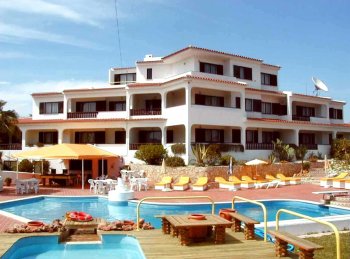
Situated within walking distance from the Centre of Albufeira and Praia da Oura, Areias House is the ideal place for those seeking a restful vacation by the pool and relaxing nights in the neighborhood, with the sea so close. It is also a good starting point for discovering the beaches and golf courses in the Algarve.
Igreja Matriz de Pedrógão Grande
- heritage
Rua Doutor José Jacinto Nunes
3270-120, Pedrógão Grande
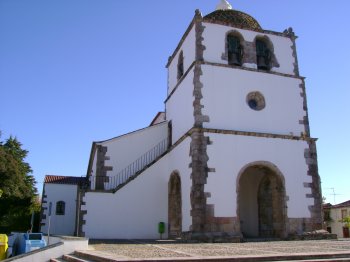
Temple of Romanesque origin rebuilt during the Renaissance, between 1517 and 1539. It has an interior with three naves and the chancel has a craftsmen's vault. The altarpiece on the high altar is made of stonework from the Coimbra Renaissance. The bell tower that makes up the main body of the facade stands out.
Forte Novo / Forte da Armação
- heritage
Rua do Poço Romano
8125-201, Quarteira
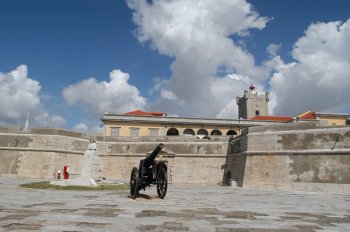
Loulé was taken from the moors by D. Paio Peres Correia in 1249. In 1268, D. Afonso III gave it its charter. This fort was built during the reign of D. João II and restored at the end of the 18th century. Currently it has the shape of a four beaked star and is in ruins.
Forte de São Julião da Barra
- heritage
Passeio Marítimo de Oeiras
2780-267, Oeiras
This fort, built at a strategic point that allowed it to dominate the entrance to the bar, was one of the most important Portuguese military bases. It is one of the best-preserved forts and the most perfect example of its 16th-century type, originating from Italy. Its esplanades, vaulted casemates, and cistern are notable.
Igreja Matriz da Amadora
- heritage
Praça da Igreja, 28
2700-458, Amadora
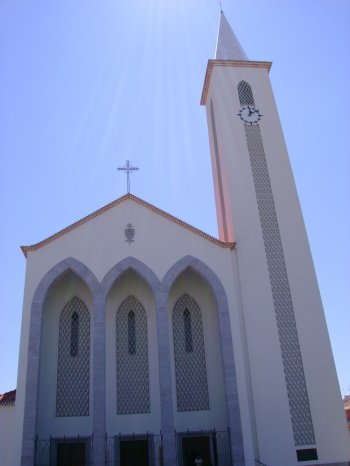
Church where the bell tower with clock stands out, visible from several spots of the city. Inside it has three altars, dedicated to the Sacred Heart of Jesus, Saint Joseph and Our Lady of Fátima. The sculpture of Our Lady of Conceição, patron saint of the city, stands out.
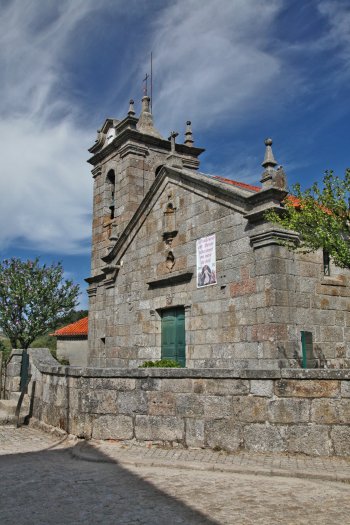
Igreja Matriz de Castro Laboreiro / Igreja de Santa Maria da Visitação
- heritage
Avenida Padre Anibal Rodrigues
4960-035, Castro Laboreiro
This is a Romanic temple in which it is possible to notice two construction phases: one is pre- romanic and the other is from the second half of the 18th century. On this last phase it was added the tower, the main chapel and the façade was remodelled. It is worth to mention the baptismal font in Romanic style due to its decoration.
Ermida de Nossa Senhora da Oliveira
- heritage
Rua de São Julião
1100-527, Lisboa
Chapel that occupies the ground floor of a three storeys building from the Marquês de Pombal period. On the façade there’s a portal cased with ornamental ashlar masonry and tympanum, formed by three doors. Inside, the single nave is covered with white and blue glazed tiles representing the life of the Holly Mary.

Igreja de São Pedro / Igreja Matriz de Lourosa
- heritage
Largo do Monumento Nacional
3400, Lourosa
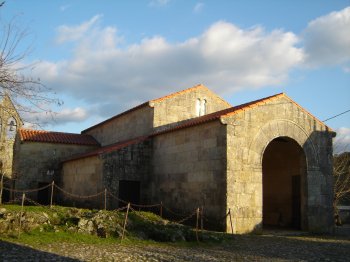
Its pre-Romanesque origins make this church a rare example in Portugal. This Mozarabic temple reflects the diversity of influences it experienced during the First Reconquista. The uniqueness of this church also stems from the reused Roman, Visigothic, and Arab materials, and the monumentality of the galilee and the three naves with horseshoe arches.
Igreja de São Pedro de Grilhões
- heritage
Rua de São Pedro
2665-004, Malveira
Pombaline Church where stands out abroad, the design of the façade, designed to have two towers, of which only one remains. Inside are evidence of the high altar, some images (Santa Inês, São Paulo, Santa Lucia and the Virgin) and an organ, possibly from the 18th century.