Explore the best places
Results for PROBLEMGO.COM cuánto cuesta sobornar a un agente de aduanas para que pase la mercancía in Portugal


Fortaleza e Palácio de São Lourenço
- heritage
Avenida de Zarco
9001-902, Funchal
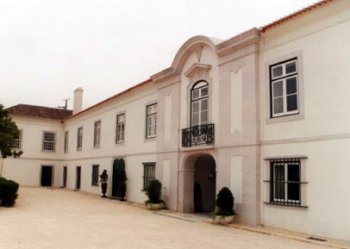
The name "Palácio de São Lourenço" refers to a monumental ensemble that comprises the Fortress, begun in the first half of the 16th century and completed in the Philippine period, and the Palace itself, comprising the halls on the noble floor dating from the last quarter of the XVIII century and the interior gardens. Currently, it is the official residence of the Minister of the Republic for the Madeira Autonomous Region.
Forte de São Sebastião
- heritage
Rua do Castelo
9900-038, Horta
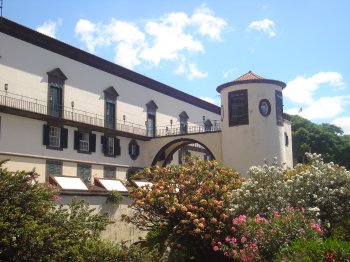
The Castelo de São Sebastião assumes a form roughly pentagonal and is deployed on a rocky spur beside the Bay Porto Pim. Is bathed in three sides, by the waters of this Bay. It was part of a defensive complex which included Guarita, stronghold of the Patrol and Strafing, connected by a wall of support along the Bay. Since August 2005, at the Fort, the Ecoteca of Faial.
Edifício dos Paços do Concelho de Borba
- heritage
Praça da República
7150-249, Borba
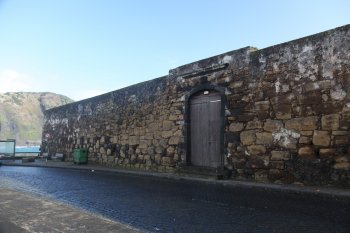
It was in the course of an urban reorganization process, in the late 18th century that these Steps were built by the military engineer José Álvares de Barros. Inside you can see a brutal white marble staircase and black, plus rooms with ceilings painted. The tiles from the Factory Widow Lamego representative of the battle of Montes Claros is 20TH century.
Igreja de Santiago
- heritage
Rua dos Cavaleiros da Ordem de Santiago
2950, Palmela
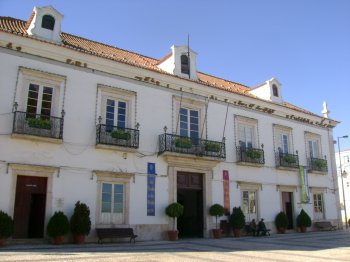
The national monument classification includes the tomb of Sir Jorge de Lencastre, son of King João II, in Arrábida marble. Of this temple, the Gothic portal on the main facade stands out, with three archivolts and topped by a large oculus. Church with three naves, crowned with battlements. Special reference to the 17th and 18th century tiles and the high choir.
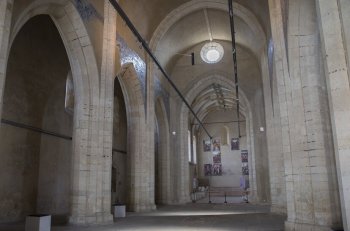
Igreja de São Francisco / Capela da Venerável Ordem Terceira de São Francisco
- heritage
Rua 9 de Abril
7240-233, Mourão
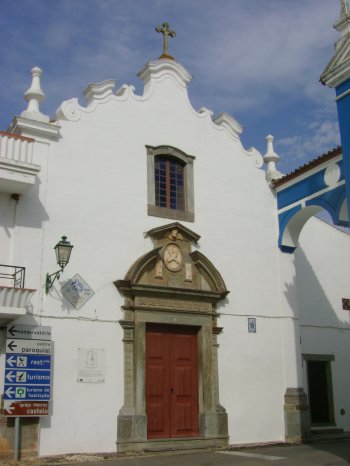
Baroque church that maintains its original design, consisting of a very simple nave. It was built during the reign of Kings João V and José I. Highlights include the pulpit built in schist and the typical tiles of the Real Fábrica de Lisboa. The portal displays a marbled medallion of the order of penance, symbolized by the cord surrounding two tables.
Palácio da Bacalhôa
- heritage
EN10
2925-901, Azeitão
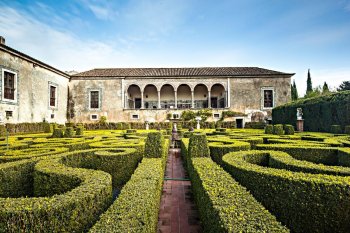
A 15th and 16th-century building that belonged to the family of Afonso de Albuquerque, Viceroy of India. Together with its gardens and loggia, it forms one of the most important examples of civil architecture of the time. Of particular note is its significant collection of tiles. Its wines, Quinta da Bacalhôa and the Bacalhôa Palace, are very famous throughout the country.
Palácio dos Condes de Mesquitela
- heritage
Largo Doutor António de Sousa de Macedo, 1-N
1200-153, Lisboa
This is a large, sober construction from the XVII century, ordered by the minister António de Sousa Macedo, well integrated at the urban mesh. It started in a primitive nucleous where the chapel stands. The palace developed occupying the entire quarter, having the main façade facing north. It keeps panelling of glazed tiles from the XVII and XVIII centuries.
Igreja da Lapa
- heritage
Largo da Lapa, 1
4050-069, Porto
This church belongs to the Irmandade da Nossa Senhora da Lapa. The church has a neoclassical style. This monument is famous for keeping inside the heart of the King Dom Pedro I, The Brazil Emperor. The tomb that guards this relic, presents the Portugal flag on one side and the Brazil flag on the other. At the superior part it has the swords of the Duque de Bragança.
Mosteiro de Landim
- heritage
Quinta do Mosteiro
4770-328, Landim
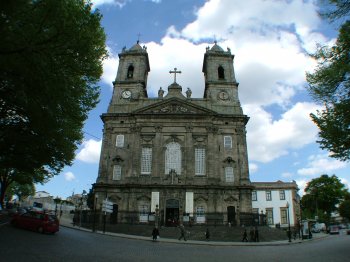
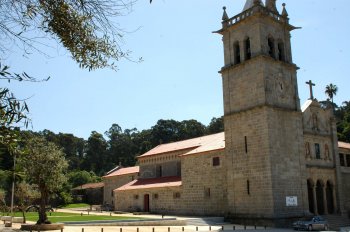
This Convent was donated to the Canons regular of Augustinian Rule was sacred on the 16th century after some renovations. In 1562 it started to belong to the friars from Santa Cruz de Coimbra convent and was extinguished in 1770. This construction is under the renaissance style and it has some important features from it, such as the church, the Monastery house and all the land inside of the fence.
Quinta e Palácio de Nossa Senhora da Piedade
- heritage
Avenida Dom Vicente Afonso Valente
2625, Póvoa de Santa Iria
This 18th century residence used to belong to the Counts of Vila Nova de Portimão. The Palace was reconstructed during Pombaline time and all the ensemble was enriched with glazed tiles panels’ application. The estate has several terraces and paths sided by boxwood, a small chapel, a lake and a 18th century church all covered with glazed tiles from that period.