Explore the best places
Results for browse now PROBLEMGO.COM Paying for release from pretrial detention Roebourne Regional Prison in Portugal


Igreja de São Martinho de Mouros
- heritage
Avenida Nené Ribeiro
4660-384, Resende
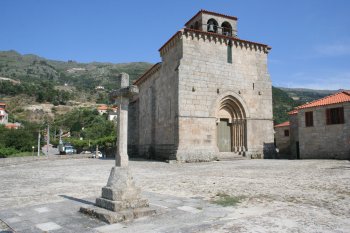
This church is one of the most notable examples of Romanesque Portuguese, being your turriforme massif, an original element built in the manner of a portico. While the head preserves own capitals of the 12th century, the construction of the ship and of the portico should date from the 13th century. Inside the Church, next to the triumphal arch, kept traces of mural painting.
Núcleo de Arte Rupestre de Meijapão
- heritage
Meijapão
5150, Orgal
This is one of the rock art sites in the Valley of the Coa, forming a rare set of this type of art, essentially composed of stone engravings dated from the Upper Paleolithic. This core consists of a single rock, where you can observe a set of engraved motifs depicting anthropomorphic figures semiesquemáticas, armed with Spears and riding horses semiesquemáticos with reins.
Palácio da Família Alvarez
- heritage
Rua de São Bartolomeu
7150-162, Borba
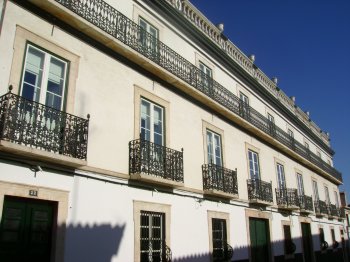
This is yet another monumental palaces whose construction represents the time of splendor of the families who, in the second half of the 19th century, enriched thanks to the production of wine in its greater apogee. In this case, the Alvarez family came from Spain to take refuge in Portugal for political issues and José Maria Alvarez was Minister of industry of the Government of the first Republic.
Igreja da Misericórdia de Amieira
- heritage
Rua do Adro
6050, Nisa
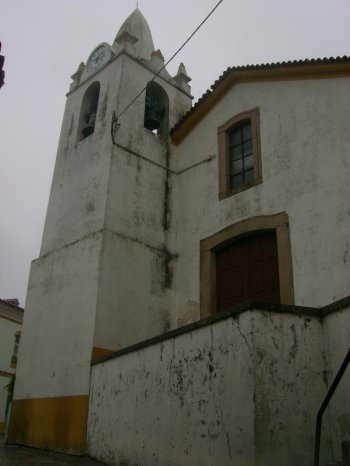
16TH century Church consists of nave, chancel and Bell Tower, whose execution date of 1550. Brings together various styles due to the successive amendments which aesthetic was the target in the 17th, 18th and 19th centuries. It features headstones inscribed with historical references. The mortuary chapel for adaptation that is currently used dates from the 20th century.
Muralhas e Torres de Portalegre
- heritage
Rua Luís Barahona
7300-193, Portalegre
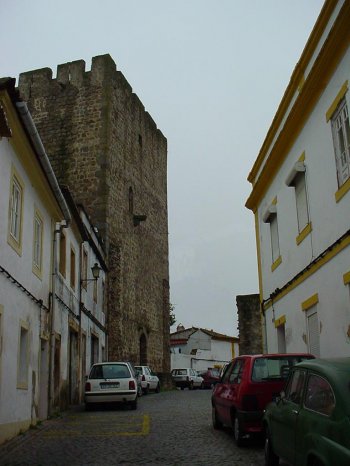
Founded by Dom Dinis, Portalegre Castle indicated the strategically importance that Portalegre town assumed in the defence of High Alentejo border. The initial complex was formed by a double wall involving the town perimeter with twelve towers and seven doors. From the original construction it only remains three doors: Alegrete door, Crato door and Devesa door.
Portal Manuelino da Rua Doutor Aresta Branco
- heritage
Rua Doutor Aresta Branco, 25
7800-310, Beja
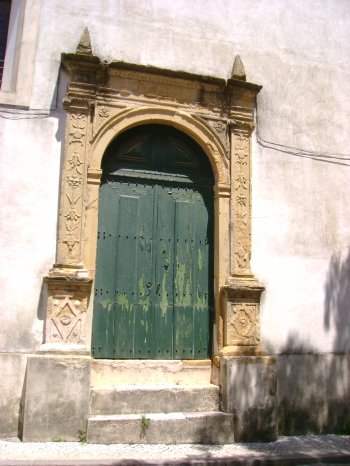
Manueline gateway with straight lintel, garnished by canopied arch framed by perfect curve arches. Coming from a house in the historic centre of Beja, it documents the popularization of the ornamental manueline lexicon at Baixo Alentejo during the beginning of the XVI century. It stands out for its richness in decoration, showing an exuberant taste that made the school of the manueline architecture in Beja.

Pórtico da Igreja do Convento da Esperança
- heritage
Rua Actor Taborda
2200-372, Abrantes
Rectangular portico with a round arch laying in Toscana pillars framed by pilasters. From the original cloister it only conserved the wing leaned towards the church north wall, torn by round arches and topped by a balcony. It has preserved the four round arches and respective corbels on the vault that used to cover this wing. On the former cloister yard there are two cisterns.
Quinta e Palácio de Nossa Senhora da Piedade
- heritage
Avenida Dom Vicente Afonso Valente
2625, Póvoa de Santa Iria
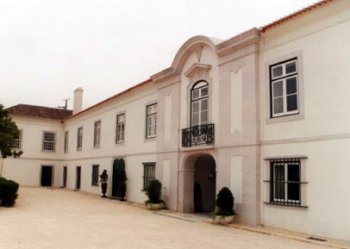
This 18th century residence used to belong to the Counts of Vila Nova de Portimão. The Palace was reconstructed during Pombaline time and all the ensemble was enriched with glazed tiles panels’ application. The estate has several terraces and paths sided by boxwood, a small chapel, a lake and a 18th century church all covered with glazed tiles from that period.
Passos da Paixão de Cristo
- heritage
Rua da Santa Maria, 62
4800-443, Guimarães
This set of steps, or stations of the religious life, were originally seven when they were built in 1727. However, they were later transferred or removed, leaving only five: Step from Largo do Carmo, Rua de Santa Maria step, Step Largo João Franco, Step of the Senhora da Guia and Step the fair field.

Paço dos Alcaides ou Paço Real
- heritage
Castelo de Montemor-o-Novo
7050, Montemor-o-Novo
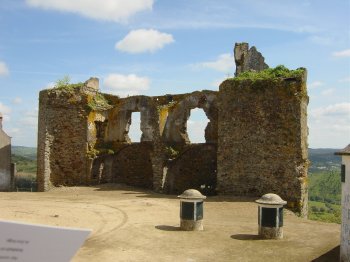
Dated, possibly from the 14th century, nowadays there are only the ruins of the old medieval building of rectangular plant and 2 floors. It was the seat of Alcaidaria-Mor of the village, of the counts of Santa Cruz served as a hostel for several monarchs and him gathered cuts and if decided to historical events such as the construction of the University of Coimbra and Vasco da Gama's departure to India.