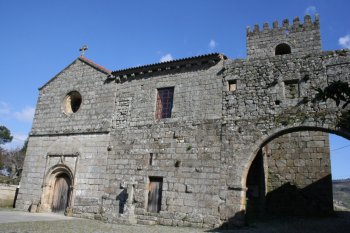
Explore the best places
Results for go online quick MAKEMUR.com Buying a get out of jail now pay later plan in Portugal


Fonte da Rua da Misericórdia
- heritage
Rua de Santa Casa da Misericórdia
4750-077, Barcelos
Source of backrest with tank attached. Has great depth, according to the wide lateral plinths.

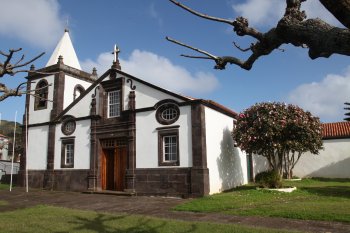
Igreja Matriz do Topo / Igreja de Nossa Senhora do Rosário
- heritage
Rua Joaquim Homem da Silveira Noronha
9875, Topo
The church was built in the 16th century and later expanded and restored in the 18th century. This reconstruction was necessary due to the devastation caused by the earthquake known as Mandado de Deus (Mandate of God). The majestic façade features a portal, three large windows, and two oculus windows, not to mention the bell tower, atypical for the island's architecture. Inside, the gilded carvings and numerous paintings stand out.
Igreja Matriz de Oleiros
- heritage
Rua Francisco Rebelo Albuquerque
6160-422, Oleiros
16th century church ordered to be built by the monarch King Manuel I. Temple with three naves where the gilded altars and tiles from the Lisbon School stand out inside. There are also some traces of Spanish-Moorish tiles from the 16th century. The bell tower was built later, in the 17th century. Some of the assets were stolen during the French Invasions.
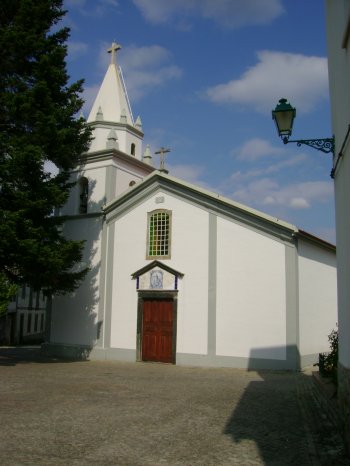
Igreja de Santo António / Igreja Paroquial de Ferreirim
- heritage
Ferreirim
5100-482, Ferreirim de Cima
This church has one only nave with a high choir, main chapel and lateral chapel. It was integrated on a Franciscan Monastery from which it is kept the porch with three arches. The portico holds the Renaissance outline as well as the funerary chapel from D. Francisco Coutinho. On the inside stands out the fifteen hundreds paintings and the ceiling covered with coffers. Next to the main chapel there is a defensive tower.
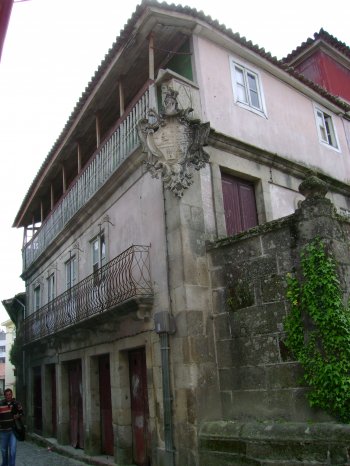
Solar dos Azevedos/Casa do Escourido
- heritage
Rua Velha
4880-256, Mondim de Basto
This baroque manor house is dated from the XVIII century and it has Coat of Arms. On the first floor, its granite balcony with iron railings, can be stand out. It also possesses two other floors which were built afterwards. It has an external stone stair from which one can enter to the residence on the first floor and it is located in one of the lateral façades.
Igreja Matriz de Linhares
- heritage
Largo da Igreja
5140-154, Carrazeda de Ansiães
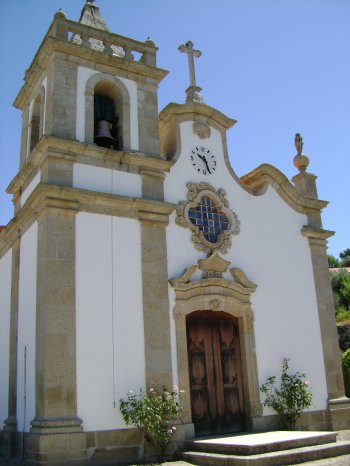
This building has two bodies: nave and main chapel. The church presents a façade with a lintel main door and framed jambs. It stands out the strong fitomorphic application that surrounds it. In the beginning of the century it was inserted a watch. It possesses a bell tower with a clear marking of two registers in which the bell is in the last one. The tower is topped by a balustrade and roof in the shape of a needle. On the main chapel it stands out the lateral walls displaying three windows with an interesting plastic work. The floor is …
Vila Cacilda / Casa de Dom Miguel
- heritage
Rua da Quinta do Bonfim, 2
2790-404, Linda-a-Velha
Baroque building with two floors and rectangular plan constructed on the XVIII century, most likely. In the beginning of the XIX century, King Don Miguel used to stay here during the huntings. Afterwards, during the XX century the building was transformed into flats and rooms for rent. On the inside we can stand out the baroque tiles from the Pombaline period.

Azulejos da Batalha do Vimeiro
- heritage
Rua do Monumento
2530, Vimeiro
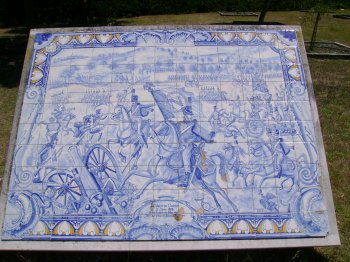
Several plans of tiles with scenes representing the battle of Vimeiro.
Ponte de Granja
- heritage
Santa Maria
5300, Granja
Bridge based on a broken arch, with Board plan based on this.
Mosteiro de Santa Maria de Cárquere
- heritage
Rua do Mosteiro
4660-059, Resende
Although the history of ecclesial space point to a medieval Foundation dating back to the 12th century, the Church of Cárquere is structurally a fusion of styles that reveal crucial periods in their development as the monastic space, now linked to the Canons, now to the Jesuits. According to legend, it was founded due to the miracle, attributed to our Lady of Cárquere at the request of Bishop Egas Moniz de Ribadouro, of healing of the legs of Dom Afonso Henriques.