Explore the best places
Results for view portal now PROBLEMGO.com Buying early release from jail with payment options Georgia in Portugal


Igreja Nossa Senhora da Atalaia
- heritage
Rua Antonio Joaquim Marques
2870, Atalaia
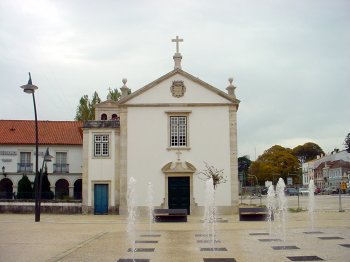
A Mannerist building, rebuilt in the 18th century. The interior walls are covered in 17th-century blue and white tiles depicting scenes from the life of the Virgin Mary. At the back of the church is a eucalyptus grove that ends in a fountain, the Fonte da Senhora or Fonte Santa, where, according to legend, Our Lady of Atalaia appeared. The traditional symbolic "Lavagens" are still held there today during the parish's main pilgrimage, which takes place on the last Sunday in August.
Igreja Matriz de Campo Maior
- heritage
Largo Doutor Regalla, 11-B
7370-027, Campo Maior
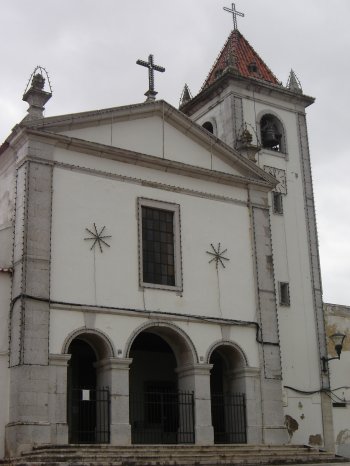
Built between 1570 and 1646, it has a tripartite main façade with embedded pilasters. The central part features a wide round arch forming a narthex, surmounted by three windows with three pediments. On the sides, two strong bell towers covered by domes are visible. Inside, with three naves, the silver liturgical objects and vestments woven and embroidered with gold from the 16th century stand out. It is also known as the Church of Our Lady of Expectation.
Mamoa da Senhora da Livração
- heritage
Paio Afonso
5470-384, Pondras
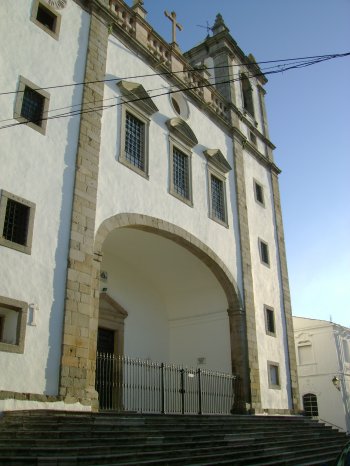
About 30 metres from the main estradão and along the access path that connects to the chapel of Senhora da Livração, a tea, is a megalithic burial monument whose tumuli is relatively high. Has at least 13 meters in diameter and about 1.5 meters high, is fairly revolved; features deep depression and identifies any central mainstay. Near this monument identifies what could be another, is fully covered with stones, which made it impossible to confirm.
Igreja de São João Evangelista das Carmelitas
- heritage
Praça do Marquês de Pombal
3810-133, Aveiro
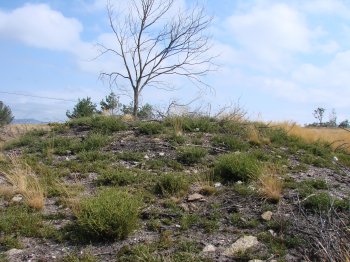
The construction began in 1610 as the Paço de D. Brites Lara (Palace), and in 1657 the Ordem das Carmelitas feminine convent, space where the church is integrated, was built. By the end of the XVII century the pulpits were built and the dressing in golden woodcarving began. In the next century the referred woodcarving was combined with azulejos (glazed tiles) from the Vital Rifarto factory. Already at the XX century, the building suffered repair works, being classified as National Monument.
Palácio Nacional de Queluz
- heritage
Largo do Palácio Nacional de Queluz
2745-191, Queluz
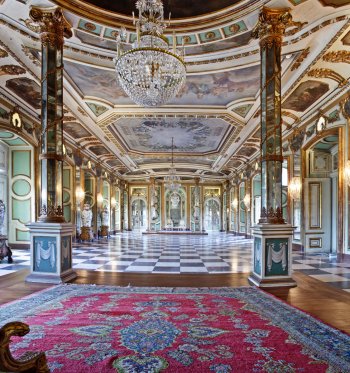
This building originated from the desire of King Pedro V to transform the Quinta de Queluz into a palace. Construction began in 1747 under the direction of Mateus Vicente de Oliveira and later J. B. Robillon, who gave the palace its exquisite decoration. Inside the palace, the throne room, the music room, and the ambassadors' room are prominent features. Its gardens are adorned with statues, lakes, and fountains. The grand canal has walls covered in tiles.
Palácio de Eugénio Silva / Câmara Municipal de Santarém
- heritage
Largo do Município
2000-027, Santarém
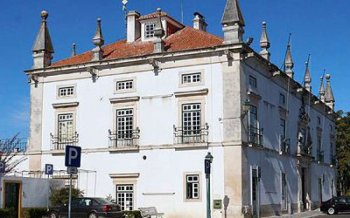
The Santarém City Council currently occupies this beautiful palace, a remarkable example of sunny 17th-century civil architecture. The property was acquired in 1954 from the heirs of the capitalist Eugénio de Carvalho e Silva, after whom it is named. A building with classical lines, it has an elegant and sober façade, with balcony windows and characteristic 18th-century moldings. Inside, highlights include the "Noble Hall" and the "Hall of Virtues of the Councilors" with 18th-century tile panels.
Mosteiro de Grijó
- heritage
Alameda do Mosteiro Grijó
4415-998, Vila Nova de Gaia
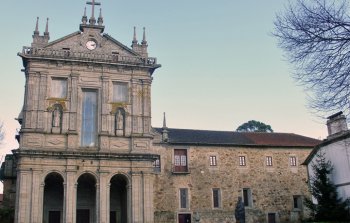
The primitive monastery, called Monastery of São Salvador de Grijó, was founded in 922 in the place of Muraceses. It was only in the year 1112 that it was moved to its current location. In 1770 the convent was extinguished, passing its assets to the Convent of Mafra. Of note are the gilded carvings and the 18th century tiles in the chancel, as well as the pipe organ, from the end of the 18th century and beginning of the 19th century. Also noteworthy is the tomb of D. Rodrigo Sanches, classified as a National Monument.
Camping Oleiros
- hotels
Apartado 31 - Açude Pinto
6160-301, Oleiros
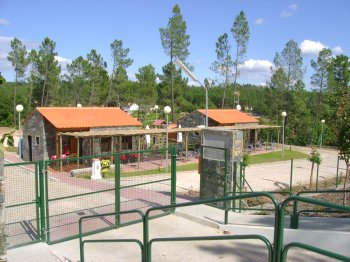
The campsite of Oleiros, located in the pine forest and with lush mountains as far as the eye can see, is the ideal setting to enjoy moments of well-being. Still benefits from an exceptional location next to the stunning River beach of Weir Pinto, in Oleiros. Has all the conditions and facilities for camping in tents, caravans or Gypsy caravans, able to meet the most pressing needs of contact with nature. Be sure to visit the Geosítios, the Geopark Naturtejo, an attraction not to be missed.
Sé Catedral de Idanha-a-Nova
- heritage
Rua da Sé, 7
6060-041, Idanha-a-Nova
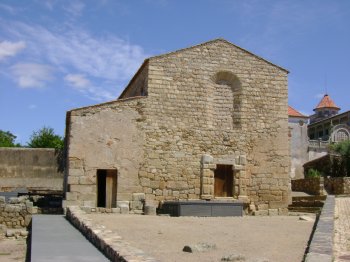
Cathedral with remains from the 6th and 7th centuries, including the baptistery and the Bishop's Palace. It stands on the ruins of the Roman city, headquarters of the Civitas Igaeditanorum. It has three naves, one of which is truncated, and a side chapel with a mural depicting Saint Bartholomew with the devil chained at his feet. Highlights include the Chapel of Our Lady of the Rosary, with a shell roof and a sgraffito on the wall, dated 1593, decorated with geometric, zoomorphic, cruciform, and angel-head motifs.
Theatro Circo
- heritage
Avenida da Liberdade, 697
4710-251, Braga
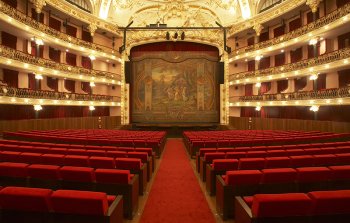
Opened in 1915, was designed by the architect João Moura Coutinho, constituting the most important work of Braga from the beginning of the century. Until the 30, schedule alternated Theatre, cinema, circus and music. Passed through here all the theatre companies of the time. In 1999 enters works and, after seven years with works of refurbishment, opened again to the public, in 2006, with two rooms (a small auditorium with 236 places and a choir room) and with the replacement of the moth of the Hall.