Explore the best places
Results for proceed to portal PROBLEMGO.com pay for early release from jail HMP Berwyn in Portugal


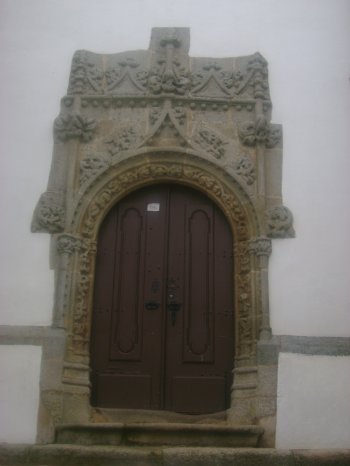
Igreja Paroquial de São Sebastião
- heritage
Rua Direita
9700-614, Angra do Heroísmo
Church built between the 15th and 16th centuries, to submit a late Gothic façade, with an ogival portal and a rose window. In the interior, highlighted by some Gothic frescoes illustrating St. Mary Magdalen, Saint Martin and Saint Barbara.
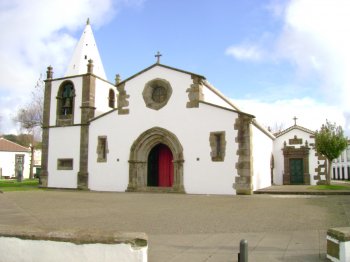
Igreja Paroquial do Ameal / Igreja de São Justo
- heritage
Ameal
3045, Coimbra
17th century Church of longitudinal plant, consisting of a single nave, a chancel lower and narrow, two side chapels, a sacristy, an attachment and a Bell Tower. The Manueline main portal arch, to the roofs of the side chapels and the gilded altarpiece.
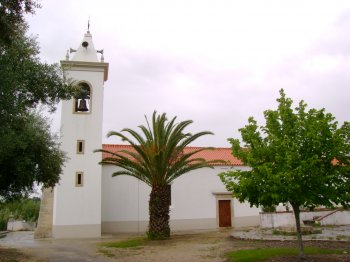
Igreja da Misericórdia de Abrantes
- heritage
Largo Motta Ferraz
2200-359, Abrantes
16th-century Church, restored in the 18th century, consisting of a single nave longitudinal plant and presbytery, with homogeneous coverage in gable roof. Emphasis on the Renaissance portal, with signature of Gaspar Dinis and date of 1548, for the gilt and some paintings.
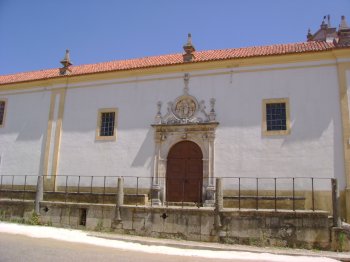
Igreja de Constantim
- heritage
Constantim
5000-751, Vila Real
A temple of the 18th century, reformed, that still kept the romanic arch and chapiters of the chapel of Our Lord of the Passos. It has a façade with carved stoneworks in the portal and a niche in the fronton. Inside, a special note to the golden carvings of the high altar.
Monte dos Apóstolos
- hotels
Rua da Estação (EM 520)
7300-567, Urra
Surrounded by a warm atmosphere ideal to escape the worries of city life, the Lot of the Apostles is a palace-style house built in the early 19th century. Here you can enjoy the beauty of the region and make beautiful walks on foot and on horseback. Offers ten cosy rooms, two swimming pools, lounge area and a nice garden.
Praça de Touros João Branco Núncio
- heritage
Alcácer do Sal
7580, Alcácer do Sal (Santiago)
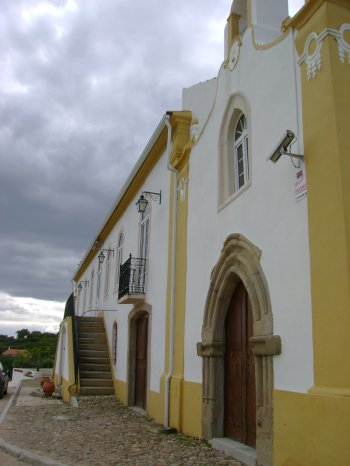
Stage of bullfighting and centrepieces with around 4500 places, the Bullring of Alcácer is classified as private first class. João Branco Núncio, son of Earth, gives its name to this place of worship and tradition. There are two races of bulls that are held captive, one in June, at the time of the fair Pimel and another in early October, at the New Fair of Alcácer.
Forte da Barra de Aveiro / Castelo da Gafanha
- heritage
Barra
3830-565, Barra
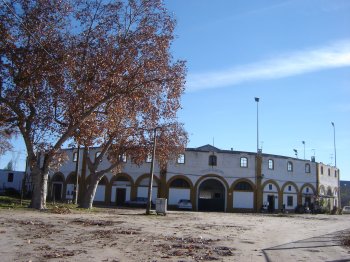
This fort was built around 1640 during the Restoration War. It features two bastions connected by walls. One of the walls has a staircase that leads to the upper terrace, where the lighthouse stands out due to its disproportionate size compared to the rest of the building. In the early 19th century, it underwent alterations to make it more militarily suitable.
Fortim de São Bento
- heritage
Rua Gago Coutinho e Sacadura Cabral
9350-213, Ribeira Brava
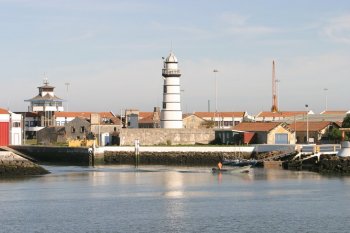
Commissioned by Governor Duarte Sodré Pereira to defend that anchorage, this small fort was built in the early 20th century to replace an earlier 16th-century fortification dedicated to Saint Sebastian, which had been destroyed by a strong alluvial flood in 1803. It is a circular tower with a revivalist design, retaining the original Baroque inscription and coat of arms.
Biblioteca Joanina
- heritage
Praça da Porta Férrea
3000-447, Coimbra
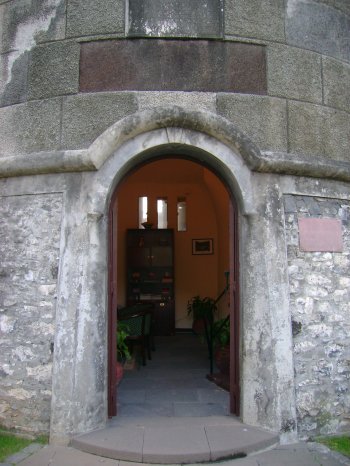
This 18th-century building is notable for its magnificent Baroque portal on the exterior, topped by the national coat of arms of King John V. The simplicity of the facade contrasts with the profuse decoration of the interior, where the ceilings, painted by Lisbon artists António Simões and Vicente Nunes, and a huge canvas depicting King John V, executed around 1730 by Domenico Duprá, stand out. This library holds approximately 300,000 works, dating from the 12th to the 19th centuries, with an emphasis on law, philosophy, and theology.
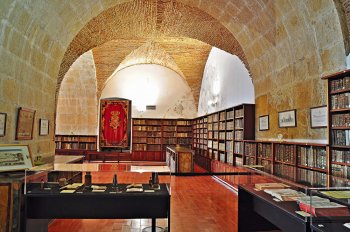
Igreja Matriz de Nossa Senhora da Assunção de Arronches
- heritage
Praça da República
7340-012, Arronches
Temple from the 16th century, of Manueline design, with a Renaissance main portal, with a round arch, decorated with eight carved cherubs and two warrior busts in high relief. The main façade, supported by two stone pilasters, was rebuilt in the 18th century. The interior has three naves, vaulted with ribs, highlighting the main altar, made of marble, flanked by twelve wooden chairs. The original church dates back to 1236, with construction completed in 1242. The current church was built at the beginning of the 16th century.