Explore the best places
Results for proceed to portal PROBLEMGO.com pay for early release from jail HMP Berwyn in Portugal


Igreja de São Bartolomeu / Igreja Matriz de Vila Flor
- heritage
Largo Dr. Alexandre de Matos, 3
5360-325, Vila Flor
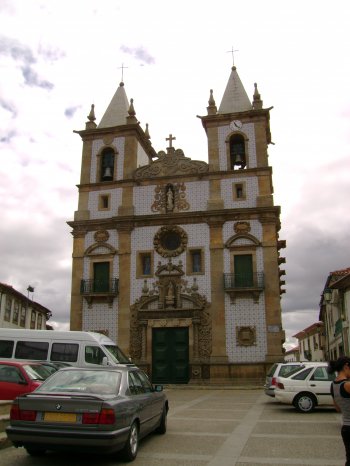
Baroque church with a longitudinal plan consisting of a single nave, a rectangular chancel and a side chapel and an attached sacristy. Highlights, on the outside, are the side bell towers and the portal and, inside, the baroque gilded altars and the 19th century panel on the main altar.
Igreja de Genísio / Igreja de Santa Eulália
- heritage
Rua da Igreja
5210-090, Miranda do Douro
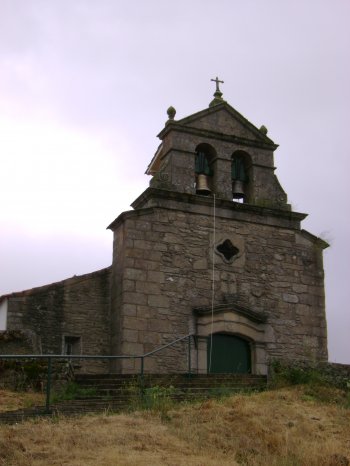
Baroque church of longitudinal composite plant and a single ship. The gabled facade is truncated by a Bell and a double arched portal down. In the interior, especially the altarpieces of gilt and polychrome, neoclassical and Baroque. It was built in the 13th century and remodelled in the 18th century.
Palácio dos Ornelas
- heritage
Rua do Bispo, 16
9000-073, Funchal
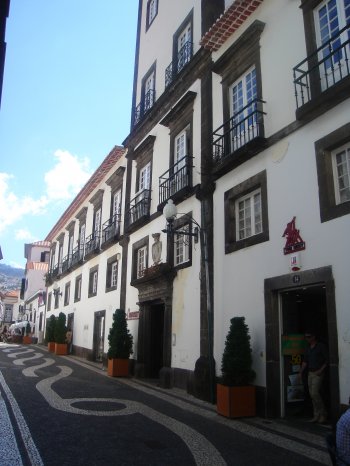
Baroque palace with rectangular plant and three floors. In the upper floor stands out a mannerist portal headed with a coat of arms. It was built in the XVII century and suffered profound remodelling in the XVIII century. Nowadays it is occupied with some shops and services.
PO.RO.S - Museu Portugal Romano em Sicó
- heritage
Avenida dos Bombeiros Voluntários de Condeixa-a-Nova, 41 - Quinta de S. Tomé
3150-160, Condeixa-a-Nova
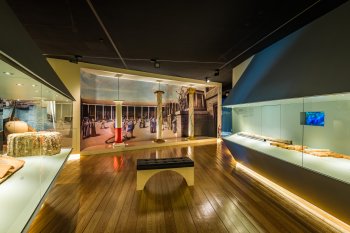
The PO.RO.S – Portugal Romano Museum in Sicó presents the theme of Romanization, paying particular attention to its influence on the Sicó region. This interactive experience focuses on the Condeixa municipality's museum collection and high-quality content produced by leading experts on the Roman presence in Portugal. Furthermore, contemporary museography supported by cutting-edge technological systems transports us on a journey back in time to the Romans.
Mosteiro de Fiães / Igreja de Santo André
- heritage
Lugar do Convento
4960-150, Fiães
The church remains from the monastic complex, which retains interesting architectural features. On the front, the portal with four archivolts is the primitive one and in the upper area, redone in the 17th century, São Bernardo, the founder of Cistercian, the Lady of the Assunção and São Bento, surmounted by the coat of arms of the Order, keep us company in this place isolated but superb. The head of the temple is divided into quadrangular chapels, revealing the typically Cistercian architecture. The interior, with 3 naves, without a transept, was greatly transformed in the modern era. In the monastic dependencies …
Aigra Nova
- country
- heritage
Aigra Nova
3330, Aigra Nova
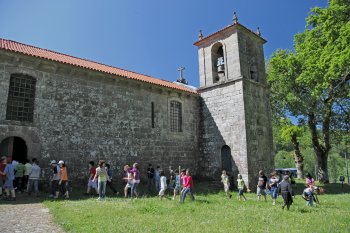
Here there are several schist houses, where the roof and portals stand out. In this parish, the main highlights are the Main Church and the Misericórdia Church, the Manueline bridge, the chapels of São Sebastião and Castelo and the Pombal fountain. Local handicrafts consist of tin and lace.
Convento e Igreja Santa Clara
- heritage
Rua Emídio Navarro
5300-210, Bragança
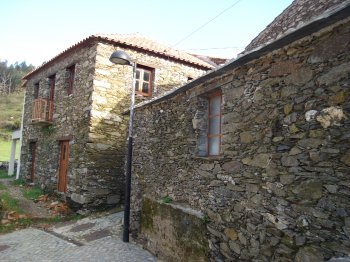
The building of the convent started in 1569 and intended to welcome the daughtrs of the Bragança citizens. It was occupied by the nuns in 1598. In the church, the renaissance portal that is dated 1597 and, in the high chapel, the ceiling with a section of the barrel-vault with panels and the triumphal arch with carvings stand out.
Capela de São João
- heritage
Largo de São João
6270-520, Seia
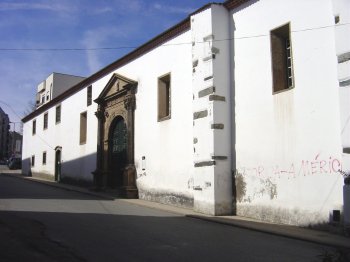
Mannerist Chapel of longitudinal plant simple, composed of a single nave and a vestry located near, with homogeneous coverage to two waters. The main façade has a portal for straight Dick and straight Windows. It was built in the 17th century and rebuilt in the 20th century.

Igreja Matriz de Sendim da Ribeira / Igreja do Divino Espírito Santo
- heritage
Sendim da Ribeira
5350, Alfândega da Fé
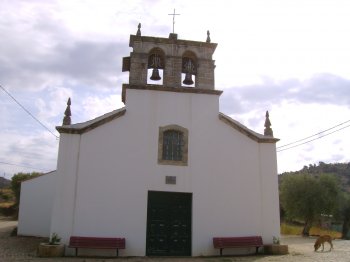
Mannerist and Baroque church of longitudinal plant consisting of a nave, a chancel and a vestry located near more closely. On the main façade in gable features a double Bell ventana, a portal of verga straight and a big window in arc down late-Baroque.
Palácio Belmonte / Palácio de Dom Fradique
- heritage
Travessa do Funil, 8
1100-261, Lisboa
This is a building with an irregular composed drawing, built around a yard, integrated at the Moor wall. The XVII century portal and the coat of arms of the Figueiredo family are worthy of notice. Inside are the large salons that contrast with small divisions, corridors, landings and spiral stairs.