Explore the best places
Results for Santa Maria do Bouro in Portugal


Miradouro de Nossa Senhora de Fátima
- country
- leisure
EN504
5120, Tabuaço
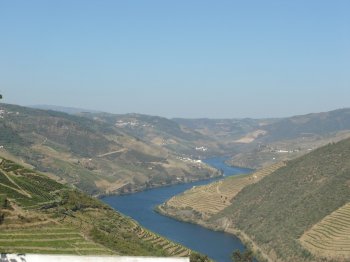
The Nossa Senhora de Fátima Viewpoint is a small garden space with granite benches, some shade trees and a small shrine to the Saint that gives it its name. Close to Valença do Douro, on one of the many curves of the EN504 overlooking the Douro, this viewpoint provides unique views over the terraces of the vineyards and a large expanse of the river's meandering path.
Parque Urbano de Rio Tinto
- country
- leisure
Rio Tinto
4435-318, Gondomar
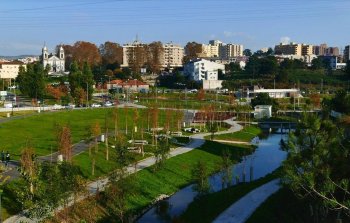
It is the largest green space in Rio Tinto, with an area of 36,500 square meters right in the center of the parish. It has leisure equipment, an amphitheater, a terrace, sports equipment, a playground, two skate parks and dog equipment. Another of the great attractions is the walkway that connects Rio Tinto to the Parque Oriental do Porto, perfect for walking, running or cycling.
Tapada das Necessidades
- country
- leisure
Calçada das Necessidades
1350, Lisboa
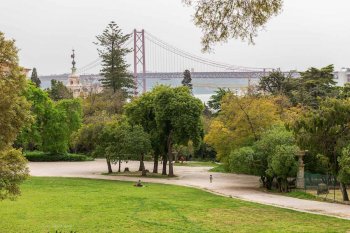
Former enclosed field of a farm with a convent that the earthquake destroyed. Nowadays it is a set of gardens and preserve, rich in exotic vegetation. The Casa do Regalo with the lakes, greenhouses, Virtues statue and the bust of Dom João V stands out. Integrated in this area is the Palácio das Necessidades, classified as Public Interest Monument and where the Foreign Office is set.
Castelo de Miranda do Douro
- heritage
Largo do Castelo, 2-A
5210-225, Miranda do Douro
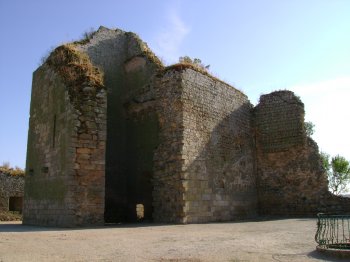
Of the original castle, only a portion of the citadel remains, along with some sections of the walls interrupted by turrets, and the Porta da Traição (Traitor's Gate). Several entrances open into the castle's surrounding walls: the Porta da Senhora do Amparo (Lady of Protection), the Porta Falsa (False Gate), and the Postigo. Still standing, but badly damaged, is the keep.
Cerca do Convento de Cristo
- heritage
Avenida Doutor Vieira Guimarães
2300-497, Tomar
The space surrounding the convent of Christ is occupied by leafy gardens and other green space types, as orange groves and other fruit trees. This area is heavily intertwined with the Mata Nacional dos seven hills. Highlight for Charolinha, a circular building, fresh situated above the water level of a tank also circular, the Board which connects by bridge.
Casa da Quinta da Pimenta / Museu da Cidade de Lisboa
- heritage
Campo Grande, 245
1700-091, Lisboa
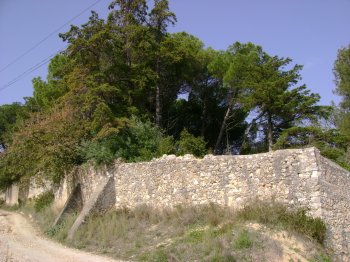
Also referred to as Palácio dos Galvão Mexia, belonged to Pepper Family and, according to legend, was built by Dom João V to the Madre Paula, Abbess of Odivelas. The 18TH century Italian influence is notorious, with adaptations to national taste. Underline-if some tiled rooms, dated 1746. In 1968, with Raul Lino project, was recovered and adapted the Municipal Museum.
Casa de Bento Carqueja
- heritage
Rua de Bento Carqueja, 75-85
3720-214, Oliveira de Azeméis
House where was born Benedict Gorse, one of the most notable sons of the city. Founder of the newspaper "O Comércio do Porto", resided in this town the greater part of her life but maintained a permanent link to Oliveira de Azeméis. Had a key role in stimulating a broad set of activities of cultural, sports, nature tourism and social solidarity.

Antigas Portas de Entrada da Cidade
- heritage
Rue de La Costanielha
5210, Miranda do Douro
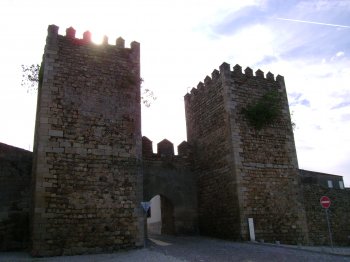
There were four gates of the city, some have already destroyed, but keeping the names of antiquity. It's still the portas de Santo António, located to the Northeast, today enters the city. The Wicket is a small Gothic door, situated to the East, checking in only the pawns. To the Southwest is the fence gate, in good condition and to the North are the doors of Nossa Senhora do Amparo.
Bolo de Mel de Proença-a-Nova
- leisure
Proença-a-Nova
6150, Proença-a-nova
Os doces de Proença-a-Nova são muito inspirados no mel, muito abundante nesta região. A par da premiada tigelada este bolo é um dos doces mais típicos das terras beirãs, tendo um sabor especial fruto da mistura entre o azeite e o mel.
Bucho Recheado à Moda de Folques
- leisure
Folques
3300, Arganil
Diz-se que a receita do Bucho de Folques terá sido criada no antigo Mosteiro de São Pedro de Folques, fundado há cerca de dez séculos. Atualmente, este prato tornou-se comum na aldeia de Folques, sendo confecionado principalmente em casas particulares.