Explore the best places
Results for castelo in Portugal


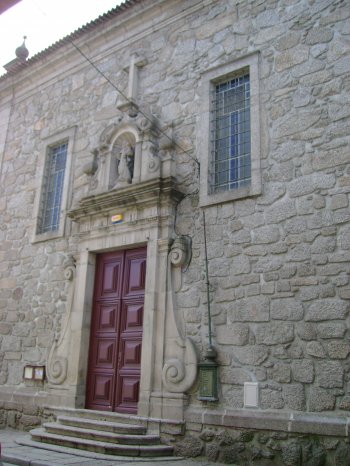
Capela de São Lourenço
- heritage
Rua Fornos da Cal
4935-226, Viana do Castelo
Baroque chapel probably built in the first half of the 16th century and remodelled in the 18th century. Presents a longitudinal plan with a single rectangular body with main façade in gable of frieze and cornice. This Chapel belonged to the former farm of San Lorenzo, where currently there is the Episcopal Palace of Viana do Castelo.
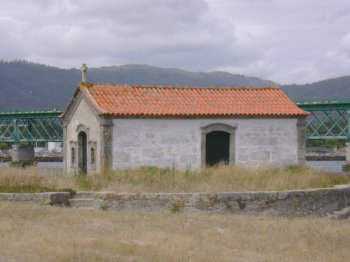
Capela de Santo Ovídio
- heritage
Monte de Santo Ovídio
4475, Santa Maria de Avioso
This chapel, dated from the 18th century, was raised on a granite monticule with a spiral ramp and traditional Portuguese pavement. Here died, in 1038, Dom Gonçalo Trastamires. A procession in honour of Saint Ovídio takes place every ear on the last Sunday of August, at the belvedere over the small town of Castelo da Maia.
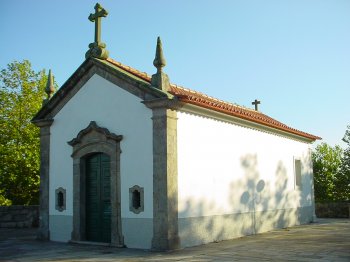
Capela de São João
- heritage
Subportela
4905-632, Barroselas
Solar plan Z, the Tower House, composed of bodies dating back to different eras, arranged around a 16th century tower. It was built in the 16th century, belonging to Dona Catarina Fagundes, daughter of the natural Navigator of Viana do Castelo, João Álvares Fagundes. He currently works as turismo de habitação.
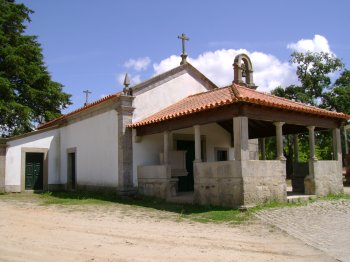
Ruínas Romanas da Raposeira
- heritage
Avenida Nossa Senhora do Castelo
3530-117, Mangualde
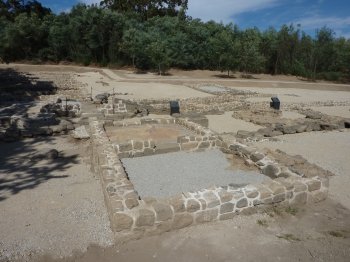
Roman ruins located at the foot of Monte da Senhora do Castelo, an old fortified castro from the Iron Age. The archaeological structures that are uncovered constitute an inn, what the Romans called "mansio". It sheltered and welcomed passers-by who traveled throughout the empire and rested there, enjoying a relaxing bath in its private spa.
Casa de Sá
- heritage
Rua de Sá
4620-569, Santa Eulália
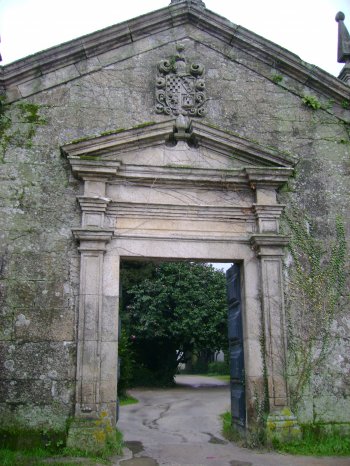
A mansion-style house in eclectic style, with a rectangular floor plan and a chapel inside. Today, in addition to being a private home, it serves as a center for agricultural production. This house has been linked to the most significant moments in Portuguese history, and has hosted highly prestigious figures such as Camilo Castelo Branco, José Régio, and Bishop Trindade Salgueiro.
Forte de São Sebastião
- heritage
Rua do Castelo
9900-038, Horta
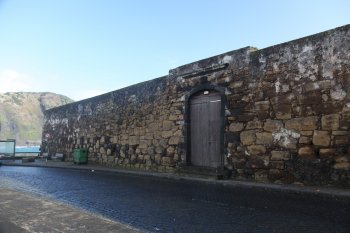
The Castelo de São Sebastião assumes a form roughly pentagonal and is deployed on a rocky spur beside the Bay Porto Pim. Is bathed in three sides, by the waters of this Bay. It was part of a defensive complex which included Guarita, stronghold of the Patrol and Strafing, connected by a wall of support along the Bay. Since August 2005, at the Fort, the Ecoteca of Faial.
Castro de Moldes
- heritage
Castro de Moldes
4935-577, Viana do Castelo
It is a large fortified town dating from the iron age\/Roman times with occupation in the middle ages. The houses feature a round plant, some with separate foyer and lajeadas streets. There are five lines of ramparts, reinforced by the rising side by turrets arranged in accordance with the terrain or accidents where the need for defence to that required. It is also known as Monte do Castelo de Neiva.
Estação Arqueológica da Quinta dos Patudos
- heritage
Rua José Relvas
2090, Alpiarça
Castro surrounded by a wall, probably with an acropolis surrounded by another internal wall. Nearby are the necropolises of Tanchoal and Meijão, which must belong to the Iron Age, with ashes and artifacts. This set includes the village of Alto do Castelo, which presents a sequence of occupations from the Chalcolithic to the Roman period, and the village of Cabeço da Bruxinha, which does not have a defined chronology.
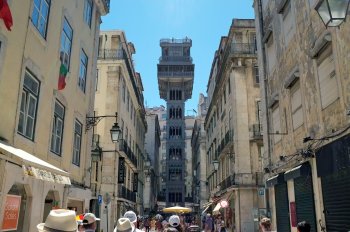
Elevador de Santa Justa
- heritage
Rua do Ouro
1100-060, Lisboa
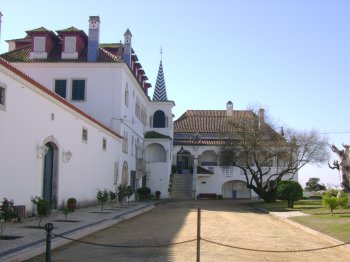
This is one of the most eccentric buildings in the downtown area. The Santa Justa elevator allows those who are downtown, to access Bairro Alto (32 meters above) in a comfortable way. At the top of the tower, which can also be accessed via a spiral staircase, there is an outdoor cafe. From the terrace the view over Rossio, Baixa, Castelo and River Tagus is splendid.
Igreja e Convento das Domínicas
- heritage
Rua Doutor Bento Cardoso, 45
4810-433, Guimarães
Work founded in early 17th century by Fr. Sebastian, Prior of the convent of São Domingos de Viana do Castelo. In the 18th century, the Prioress Mother Catherine das Chagas sent to the current works of stones. Include the set of altarpieces and pelmets in Baroque gilded rocaille organ and an image of Christ, about the font, dating from the 16TH century.