Explore the best places
Discover new places in Portalegre


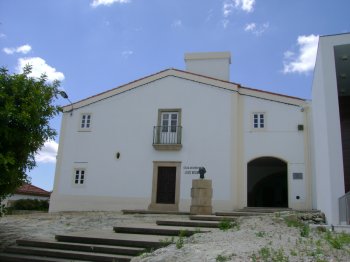
Muralhas do Castelo de Portalegre / Fortificações de Portalegre
- heritage
Rua 1º de Maio
7300-205, Portalegre
These walls, with two gates, were originally built in the 13th century. Later, in the 17th century, the bastioned fortification of the Portalegre enclosure was built.
Convento das Trinas de Mocambo
- heritage
Avenida de Santo António
7300-074, Portalegre
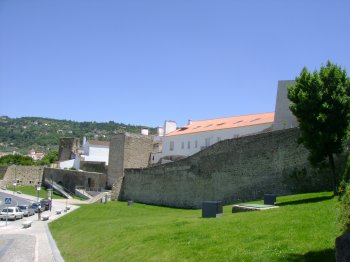
The first cloister consists of a vast landscaped quadrangle. At its center is a granite fountain dating from the 17th century. The two-story cloister has four double arches on each side, separated externally by dressed stone buttresses. The second cloister has an identical configuration, though smaller. The cloister vaults have molded ribs resting on carved cylindrical corbels.
Convento de Santa Clara / Biblioteca Municipal
- heritage
Rua de Elvas, 54
7300-126, Portalegre
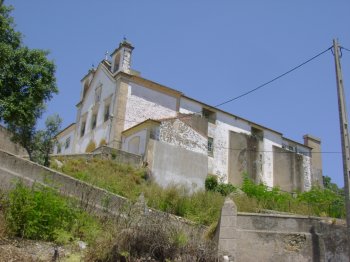
Convent built in 1376 by Queen Leonor Teles. It features primarily Gothic features, but also some Baroque and Renaissance details. It underwent renovations in the 16th, 18th, and 20th centuries. It currently houses the Municipal Library.
Parque Natural da Serra de São Mamede
- country
Ribeira de Arronches
7300-406, Reguengo
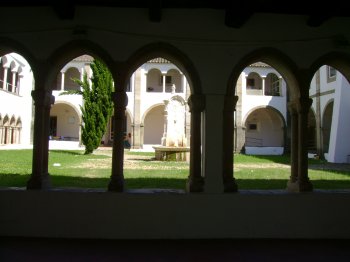
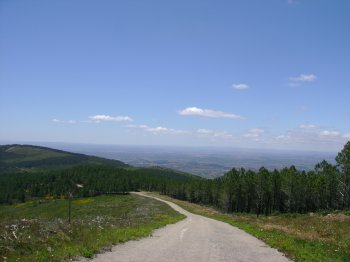
In the flat Alentejo, the idea of a mountain range is like the idea of an oasis in a desert. Well, the Serra de São Mamede Natural Park represents exactly that. From Castelo de Vide to the southeast stretches this magnificent mountain range, the highest south of the Tagus, headed by the Serra de São Mamede (1,025 meters maximum altitude). The Serra de Castelo de Vide (762 meters), the Serra Fria (953 meters), and the Serra do Marvão (867 meters) fill the remaining part of the Natural Park. Morphologically, the park is composed of a layer of granite on the …
Museu Municipal de Portalegre
- heritage
Rua José Maria da Rosa
7300-110, Portalegre
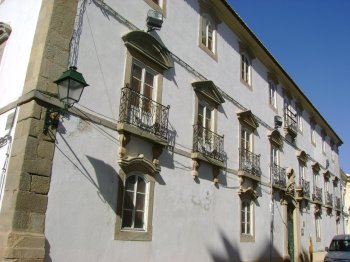
The museum opened in 1918 and is located in a 16th-century mansion next to the Cathedral. After renovations, it reopened in 2012. The museum's museum program highlights the collection of Sacred Art and Faience. The Temporary Exhibition Room features an exhibition of paintings on Portalegre, featuring works by contemporary Portuguese painters such as Manuel d'Assumpção, João Tavares, Arsénio da Ressurreição, Benvindo Ceia, Abel Santos, and Miguel Barrias, among others.
Palácio Amarelo
- heritage
Largo Cristóvão Falcão, 13-15
7300-089, Portalegre
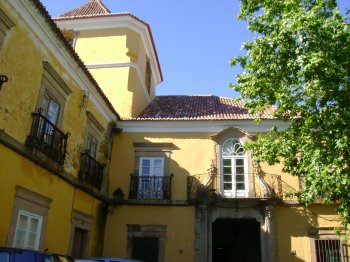
Built in the mid-17th century, the house underwent several alterations throughout the 18th and 19th centuries. Eleven windows with wrought-iron grilles remain from the original construction. The main door and the window above it date from the 18th century. Coats of arms of the residents can be seen on the corners of the building. Also noteworthy is the square, cornered turret with a mat roof and four windows, dating from the 19th century.
Castelo de Alegrete
- heritage
Alegrete
7300-126, Portalegre
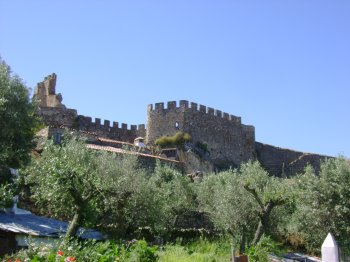
A castle located in a border area that was the scene of many war campaigns. The construction of the wall, reinforced with semi-cylindrical towers, was the result of a deal between the people of Alegrete and King Dinis: the residents would build the wall, and the monarch would grant the charter. In addition to repopulating the village, Dinis built the keep and, in 1319, continued the work begun by his father, Dom Afonso III. The old town clock stood at the main gate of the old fence.
Convento do Beato António
- heritage
Alameda do Beato, 40
7300-042, Portalegre
Nothing remains of the original church, completed in 1389. The cloisters and other outbuildings were modified in the 15th and 16th centuries, and they also underwent several alterations in the 18th century. From the former 18th-century convent, a portion of the ground-floor cloister survives today.
Mosteiro de São Bernardo
- heritage
Avenida George Robinson
7300-070, Portalegre
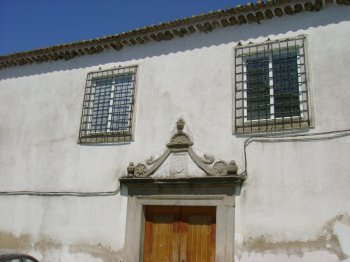
Built in 1530, the temple underwent several alterations, mainly during the 18th century. From the original design, it retains the giants that support the main chapel. It features a round-arched portico with cherubs. Inside, one can see the tomb of Jorge Melo, dating from 1540, one of the most sumptuous in Portugal.
Casa-Museu José Régio
- heritage
Rua José Régio
7300-024, Portalegre
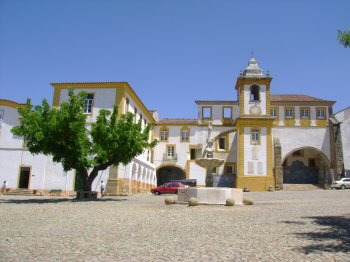
The house where José Régio lived for 34 years, enrolled at the Mouzinho da Silveira High School in Portalegre. It began as a boarding house and was gradually acquired by the poet until he became the only guest. Here, you can admire some of the pieces the poet collected throughout his life. Among the collections, religious art sculptures and regional crafts stand out.