Explore the best places
Results for enter portal quick PROBLEMGO.COM Need to hire a bail bondsman with cash now Rezekne in Portugal


Igreja de Santa Maria do Castelo
- heritage
Calçada de Santa Maria
8800-606, Tavira
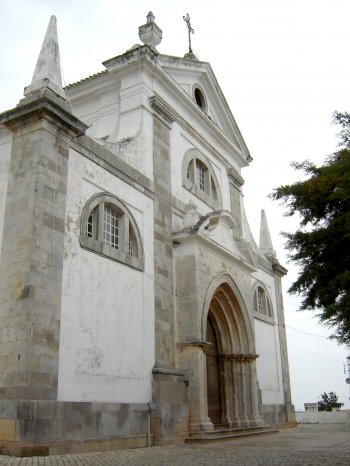
13th-century building, rebuilt after the 1755 earthquake. It maintains the Gothic structure and portal. In the main chapel is the tomb of the seven Knights of the Order of Santiago killed by the Moors in an ambush, which legend associates with the conquest of the city. From the collection of sacred art, comprising pieces of goldwork from the 16th and 18th centuries and vestments, a missal stand from the 16th / 17th centuries, from Japan (“nambam” art) deserves special mention.
Igreja de São Francisco
- heritage
Avenida General Bernardo Faria
2300, Tomar
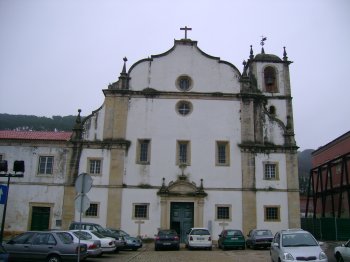
São Francisco convent was constructed under the orders of Filipe III next to Várzea Grande, once it was necessary to be next to the hospital, in case the regulars needed it. It possesses one only nave, main chapel, lateral chapels, cloister from the 17th century, and convent divisions. The main façade is composed by three bodies in which the central one has three floors. It has a bell ringer tower that is raised on the right lateral side. On the inside the nave is covered by a tunnel vault lighted by the clerestory windows and by the bays on the …
Aldeia de Piódão
- heritage
Largo Cónego Manuel Fernandes Nogueira
6285, Piódão
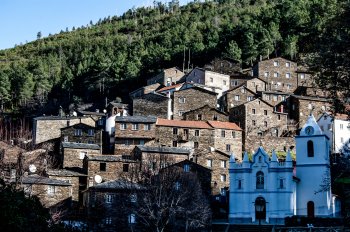
Designated a Property of Public Interest in 1978, the village of Piódão is located near the Hermínios Mountains and is one of the oldest settlements in the country, unique for its clustered layout surrounded by an extensive green expanse. The village originated from the need for concentration and settlement of shepherds who lived in the surrounding area. Its landscape and architectural ensemble is remarkable (with schist being the main material used in construction). Due to its difficult access, the village is known as a refuge for notorious criminals. Of particular note are the parish's four chapels: St. John, St. Barbara, …
Pousada Barão de Forrester
- hotels
Rua Comendador José Rufino
5070-031, Alijó
The Pousada Barão de Forrester, situated in the Centre of the quiet village of Alijó and one of the most emblematic hotels in Douro, reopened in 2013, after rehabilitation works that make it closer to the wine heritage of the demarcated Douro region (RDD) and of its history. The name of the Inn, Baron de Forrester, beat rest a special sense in this new phase. Upon entering the unit, the "df O Wine map", drawn by the Baron, and the guest or visitor is soon referred to the time and space of this which is one of the most important …
Termas Caldas de Aregos
- beach
- leisure
Caldas de Aregos
4660-013, Caldas de Aregos
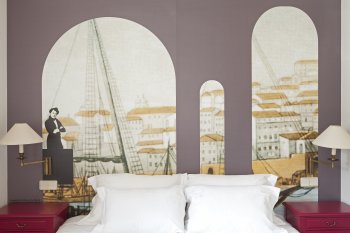
Located on the banks of the Douro River, the Caldas de Aregos Thermal Baths have been sought after since the 12th century due to the unique value of their waters, becoming, in the mid-20th century, one of the best spas in the country. Sought after for their curative value, they led Queen Mafalda to build an inn on the site in 1102, which would be the precursor to the various bathhouses that followed. Now municipalized, the current Rainha Dona Mafalda spa has modern and diverse equipment that allows the application of the latest thermal techniques for prevention and thermal cure, …
Bistro 100 Maneiras
- food & drink
Largo da Trindade, 9
1200-466, Lisboa
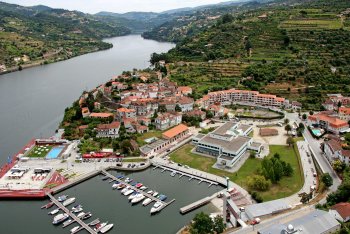
Already the Bachus and, before, the Tavares Poor. Now, about the purview of Bosnian chef Ljubomi Stanicic, change the name and the concept for bistro, followed their brand image: 100 Ways. The building, Art Deco type, divided into two floors. The first with a bar, where you can drink a cocktail before your meal or following the same; the second with a room that shares the space with the filled wine cellar. Your kitchen is, as the entire environment created, simple and beautiful, with traditional Portuguese, French influences and, of course, Yugoslavia. As the chef likes to say: "food from …
Capela de Santo Antão
- heritage
ER311
5460-413, Dornelas
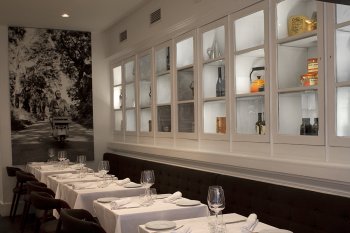
The chapel of Santo Antão is deployed on a terrace, secluded place away from the village of smart arse. Is a granite building, of rectangular plant North\/South-oriented with the forecourt enclosed by a granite wall. The front facade has a portal frame rectangular protruding, bearing on the lintel inscription "YEAR 1754", flanked by two rectangular horizontal slots, surmounted by a pediment angular interrupted. Inside this Chapel stands the high altar in polychrome and gilded carvings.

Igreja Matriz de Aguiar / Igreja de Nossa Senhora da Assunção
- heritage
Largo 25 de Abril, 8
7090-226, Viana do Alentejo
Its exact foundation is unknown. However, it is mentioned in royal documents from 1320. In the 17th century, its main elevation underwent major architectural changes. It features a granite portal, a lintel, a triangular pediment topped by a stone cross, a spire at the north end, and a robust, sharp-pointed bell tower opposite, made of masonry decorated with artistic sgraffito, two eyelets, and an equal number of cast bronze bells, the oldest dating from 1772.
Igreja de Santa Maria do Castelo
- heritage
Largo de Santa Maria, 14
6400-410, Pinhel
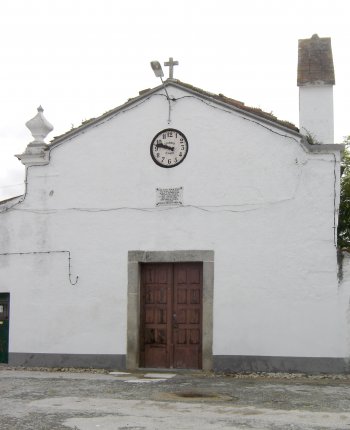
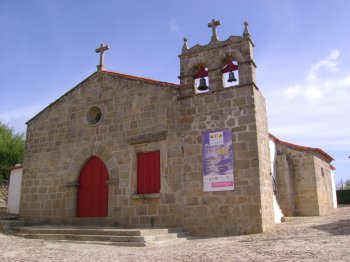
This religious monument consists of a three-bay nave, a chancel, side chapels, a sacristy, and a bell tower. The main façade consists of a rounded portal and a circular oculus, flanked by a bell tower, the upper one having a double bell tower. This façade features a window overlooking the Stations of the Cross. The interior features the baptistery, which houses the baptismal font, the Mannerist niche, the painted panels of the chancel and altarpiece, and the Christ the Redeemer statue on the tabernacle door.
Igreja de São Francisco
- heritage
Rua do Infante Dom Henrique
4050-297, Porto
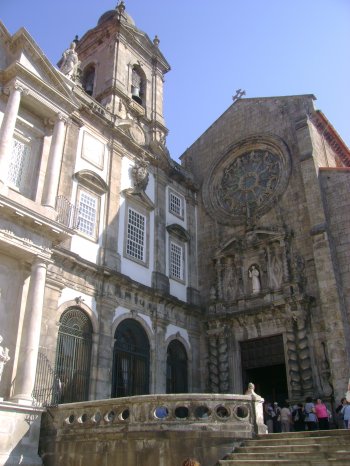
Built between 1383 and 1410, it is a reference of the Gothic monumentality of the city, with an emphasis on the Romanesque portal with three arched gateways, the rosette symbolizing the Rosa Fortunae, the windows of the Manueline period and the three naves where the interior is divided, covered with gilded carving from the 17th and 18th centuries. It belonged to the Convent of the Observant Franciscans. The interior, of three naves, is highlighted by the 17th / 18th centuries carvings, frescoes and board in the main chapel, transept and sixteenth-century tombs.