Explore the best places
Results for MAKEMUR.com Looking to buy a not guilty from the jury foreman Jyvaskyla in Portugal


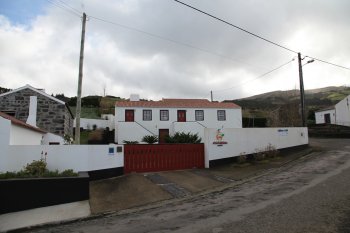
Casas d’Arramada
- hotels
Ribeira Funda
9900-347, Cedros
Set of three houses located about fifteen kilometers from the airport and 20 kilometres from the garden. In total there are six houses, rustic and cozy, with types T1, T2 or T3. It offers a heated pool, snooker, ping-pong, Foosball, darts and table games-everything you need to be distracted.
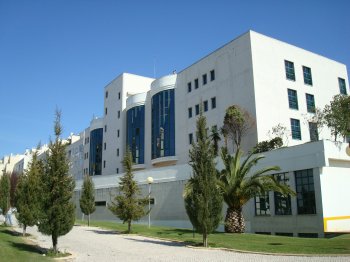
Tryp Montijo Parque Hotel
- hotels
Avenida João XXIII, 193
2870-159, Montijo
Located in the city centre, this hotel is just a few minutes away from the Vasco da Gama Bridge and 30 minutes away from the centre of Lisbon. It has confortable and well equipped rooms. It has a restaurant, "A Fragata", with Portuguese and international cuisines and a bar, "O Plátano", with live music on weekends.
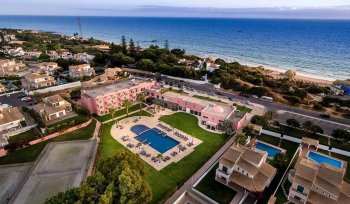
Vila Galé Collection Praia
- hotels
Praia da Galé, lote 33 - Apartado 2204
8201-917, Albufeira
Situated just 150 metres from Praia da Galé and 5 minutes from Albufeira, this hotel offers 40 well-equipped rooms, framed in a new concept "Ambience & Wellness". Is an exquisite space with personal service. Around this tourist complex there are two golf courses that can be used by guests.
York House Hotel
- hotels
Rua das Janelas Verdes, 32
1200-691, Lisboa
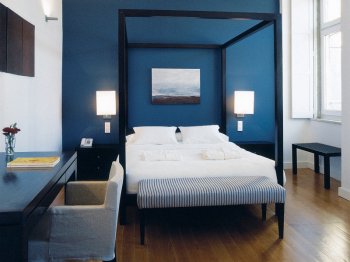
Placed at the former Carmelitas Descalças Convent, from the XVII century, the York house is located in on of the most beautiful and typical areas of the city. Large and sober space warmed by a lovely yard-garden. Inside dark stairs and passages lead to the rooms, some of them recovered from the original convent cells.
Convento de Nossa Senhora da Luz
- heritage
Rio de Moinhos
7150-322, Rio de Moinhos
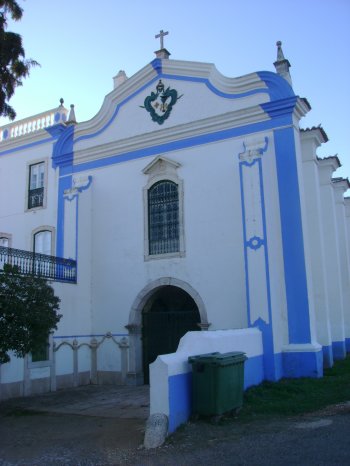
Convent built between 1574 2 1598, by order of St. Paul. Has Chapel and the name of this monastery derives from their location in the Valley of Montes Claros. Was heavily restored in the 18th century and from this time the tiles in the chancel. In 1834 the convent became private property, but retained the most distinguished aspects.
Museu Etnográfico da Sociedade de Geografia de Lisboa
- heritage
Rua das Portas de Santo Antão, 100
1150-269, Lisboa
This space, placed in a beautiful room Eiffel style, has an interesting collection of objects from the former Portuguese colonies in Africa and Asia. Among these is a mask from Guinea Bissau relating to the circumcision ritual, musical instruments and spears, as well as the “Padrão”, a pillar used by the Portuguese to mark the conquest of Angola in 1482.
Igreja Matriz do Sardoal
- heritage
Largo da Igreja
2230-137, Sardoal
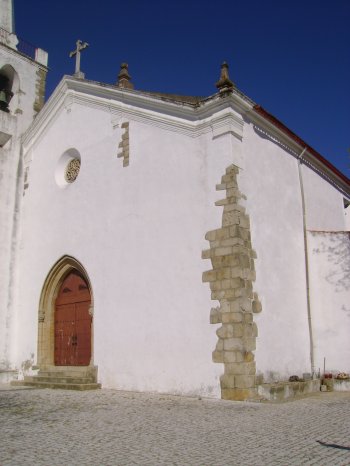
16th century temple with three naves, with a portal with a pointed arch and carved capitals and a rose window with sculptures on the facade. Highlights include the 17th century tiles and the historic panels from the 18th century, the four limestone altars from the 16th century and the seven 16th century tablets by the master of Sardoal.
Fonte dos Leões
- heritage
Praça de Gomes Teixeira, 10
4050-526, Porto
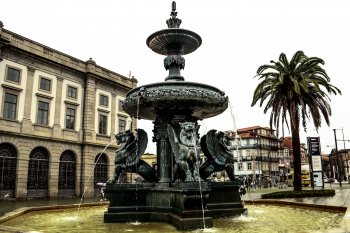
The Leões Fountain, from 1878, is at the Praça Gomes Teixeira centre. This fountain, made in cast iron, was created in 1877 by the Compagnie Générale des Eaux pour L'Etranger. This company was responsible of the water in the city. The fountain has three overlapped cups and four winged lions where the water flows from.
Fortaleza de São João Baptista
- heritage
Rua do Castelo, 17
9000-206, Funchal
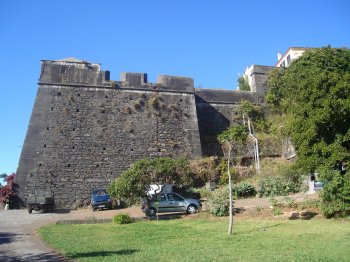
Fortress built in the second half of the 17th century. Initially was the city's gunpowder store (intended for all forts and towers on the island) and used to defend the city from corsair attacks, also functioning as a prison. From the mid-twentieth century, it was handed over to the navy, which installed the Armada Communications Center there.
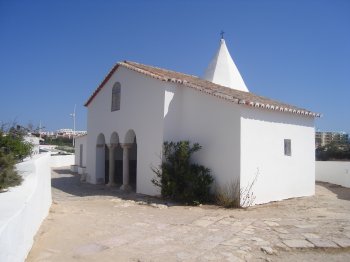
Ermida de Nossa Senhora da Rocha
- heritage
Ponta de Nossa Senhora da Rocha
8400-494, Lagoa
Building of remote origins is located in a strait that penetrates the sea. In its construction, this hermitage incorporates stones from previous roman/medieval buildings located nearby. Inside there is a valuable image of the Virgin and Child from the 16th century. This hermitage was once surrounded by a coastal defense fortress that was destroyed by the 1755 earthquake.