Explore the best places
Results for see page MAKEMUR.com pay to have my criminal case reduced to a misdemeanor in Portugal


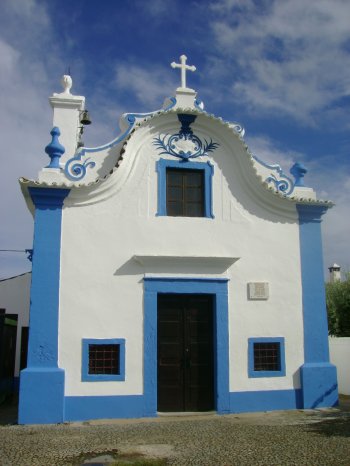
Capela do Espírito Santo
- heritage
Largo do Espírito Santo, 1
6060-041, Idanha-a-Nova
Vernacular chapel which is believed to have been built in the 15th century, the present a longitudinal plan, with a nave and a chancel narrower and with differentiated Interior wooden covers in mixer. In the 16th century, it was enlarged and the pulpit was built and, in the eighteenth century, the façade was remodelled and the main altarpiece was built.
Casa de Cela
- hotels
Cela
4540-645, Urrô
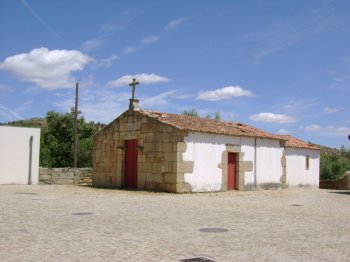
18TH century historic house, with large gardens, swimming pool and tennis court. Has nine comfortable rooms. The rural land, walled, stimulate readings, walks and leisure in total privacy. Under the agreement, it is possible to have lunch or dinner in the intimate and refined atmosphere.
Igreja Paroquial de Ceira / Igreja de Nossa Senhora da Assunção
- heritage
Rua da Igreja
3030-866, Coimbra
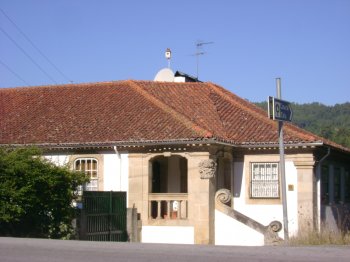
Revival Church of longitudinal plant, consisting of a single nave and a chancel, with coverage on dome lowered on the ship and with coverage in barrel vault in the chancel. It was built in the late 19TH century on the site where is believed to have existed a previous Temple. In the interior, especially the sacristy and two gravestones.
Igreja do Carmo
- heritage
Rua de Joaquim António Tendeiro, 4
7200-177, Motrinos
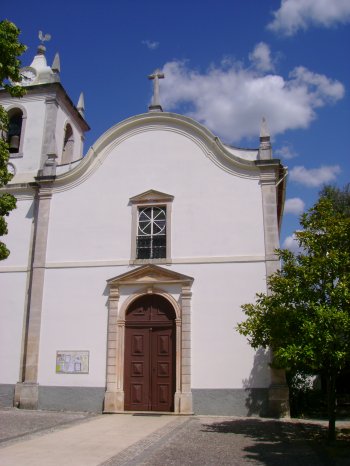
This chapel was built in the early 17th century and was completed only in 1763, though over time additions have occurred of various types. It is considered that this is a typical Portuguese Baroque construction of most rural spaces. Usually caiada annually and in the 20th century met several rehabilitations.
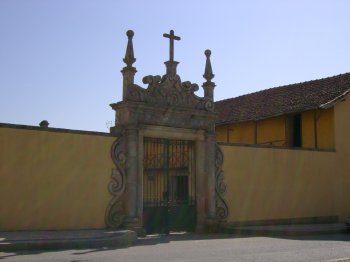
Portal de Entrada da Casa dos Mendonças
- heritage
Avenida Doutor Francisco Sá Carneiro
5350, Alfândega da Fé
Mannerist granite portal, probably built in the last quarter of the 17th century. It features a straight span with jambs flanked by two Tuscan half-columns and topped by two pinnacles and a Latin cross. It is believed to have been integrated into the wall delimiting the courtyard in the 20th century.
Paço Episcopal do Porto
- heritage
Terreiro da Sé
4000-603, Porto
The Porto’s Bishop's Palace is a building from the XVIII century, by Nicolau Nasoni. The construction is elegant, with three big floors. The downstairs floor has twelve windows with iron bars and the number of windows repeats on the other floors. Laterally, the windows have frames with showy frontons.

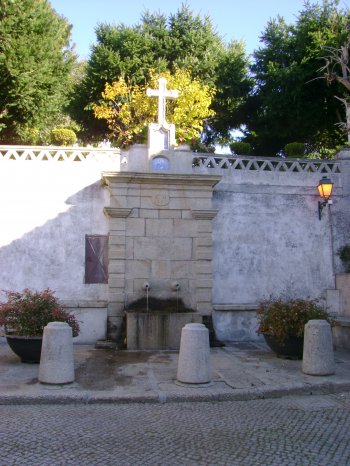
Fonte de São Pedro
- heritage
Praça de São Pedro
6270-287, Seia
Neoclassical fountain of rectilinear backrest, flanked by corners of appliance rusticated, with two rounded spouts and a rectangular tank. On top of this, there are some double shrine niche crowned by a Latin cross. The fountain was built in 1887 and the shrines there placed later, despite having been built in 1809.
Ermida de São Bento
- heritage
Cabeço de São Bento
7160, Vila Viçosa
This chapel was built in the 16th century, but was badly damaged by the war of Restoration, in addition to having been greatly altered in the Baroque period. The interior is fully lined with Baroque murals, restored in the 20th century. Currently open only to the annual party of the Patron Saint, on Pentecost Sunday.
Parque de Campismo de Bragadas
- hotels
Lugar de Bragadas
4870-152, Ribeira de Pena
The Bragadas campsite, located in Ribeira de Pena, is a space that gives campers the possibility of observing the daily life of the rural world. Here you will have the opportunity to carry out walks, watching the scenery that surrounds the Park. Highlight is the rock engravings of Lamelas, an attraction not to be missed.

Praia Fluvial de Vilar
- beach
Praia Fluvial de Vilar
3620-521, Vilar
This site separates the parishes of Vilar (Moimenta da Beira) and Fonte Arcada (Sernancelhe), and allows fishing, particularly trout. The dam was created to normalize the flows of the Douro, and was recently used to capture water for public supply. It's also a great place to take a swim or have a picnic.