Explore the best places
Results for enter now fast MAKEMUR.COM pay a judge to shorten my time in prison in Portugal


Forno do Povo do Antigo
- heritage
Rua de Santo António
5460-400, Antigo
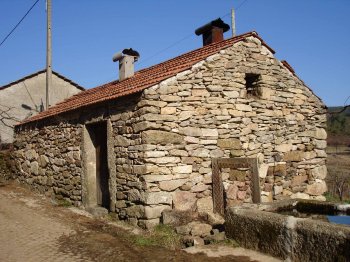
The people of the old oven is a vernacular rural construction in granite with coverage of two waters, in tile. Inside the building, you will find the tendal and two ovens, the oldest of larger dimensions and a newer, smaller, where the local population continues to bake traditional bread. This equipment was, in ancient times, an important role in village sociality, the so-called "coffee of the people", was where they gathered during the evenings, was also the hostel of the poor, beggars and pilgrims, passing through the village, which then stayed overnight.
Igreja de Paradela do Rio
- heritage
Rua da Barragem
5470-362, Montalegre
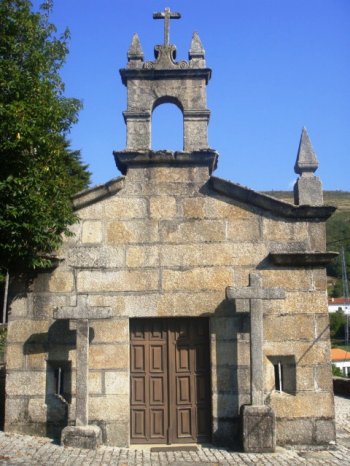
Is a relatively new Church, dating from the 18th century. Before the Church was a Chapel of St. John of the Tip, which was the parish. In the 17th century, due to population growth, the parish became Paradela from the river. The village of Tip is much older than the village of Paradela from the River, one of the oldest documents that it references is the testament of San Rosendo, dating from the 10th century has the name of St. John's Church, although the only Saint John that existed at the time was at the tip.
Igreja de São João Baptista / Igreja Paroquial de Lobrigos
- heritage
Rua de São João Baptista
5030-435, Lobrigos
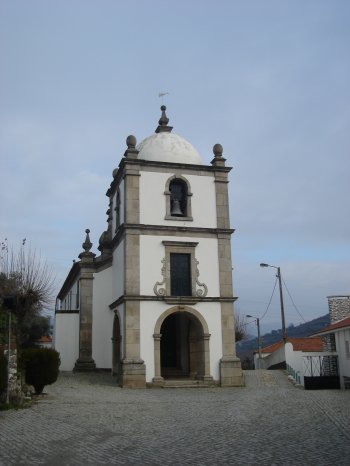
Located in a small square where there is also a fountain with a baroque back and coat of arms, the parish church of Lobrigos stands out for its main facade which is, at the same time, the base of the bell tower. With a square plan, here, on its three sides, there are round arches, forming a galilee that precedes the entrance to the temple. The body of the church develops longitudinally, towards the back, featuring a single nave with a high choir, and rectangular chancel. A highlight is the pipe organ, the only one in operation in the diocese …
Mosteiro de Santa Marinha da Costa
- heritage
Largo Domingos Leite de Castro
4810-011, Guimarães
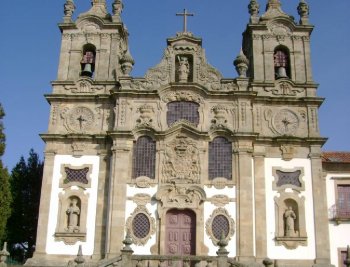
Convent founded in the 12th century by Queen Dona Mafalda, wife of Dom Afonso Henriques. The monastery owes its current appearance to the reconstruction that took place in the 16th century. The vault of the chancel and the cloister covered with tiles from the 18th century date from this time. The interior follows rococo and neoclassical styles. Note the choir, pulpit, organ and rococo carvings decorated with angels and mythological figures. In 1951, a fire damaged the convent part, which was restored and turned into a Pousada.
Povoado de Corucho/ Coroa do Coto
- heritage
Cambeses do Rio
5470-042, Cambeses do Rio
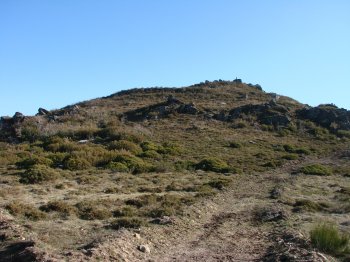
Fortified settlement of pre-Roman times located at 1175 metres maximum elevation North of the village of Friars and with reference to the GEODESIC mark of Friars. The sock is perfectly visible slope a line of walls that surrounds the mound and before a broad platform where possibly settled the constructions. On the upper deck, where the landmark GEODESIC, there is great concentration of stones, which the popular claim to have been brought there to build a chapel. Beyond the line of walls, do not identify other constructions, also due to the density of undergrowth.
Torre do Relógio de Mértola
- heritage
Rua Dom Sancho II, 15
7750-360, Mértola
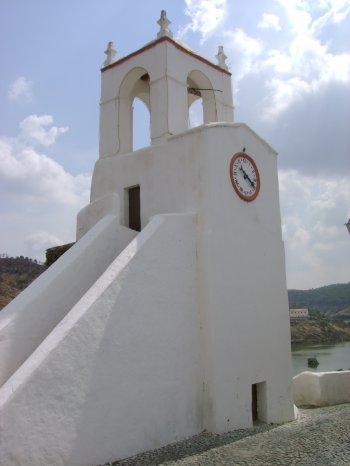
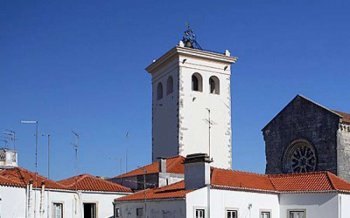
The Clock Tower was likely built in the late 16th or early 17th century, as part of the reorganization of the Praça do Município urban area. This building was erected near a group of buildings representing political, administrative, judicial, and economic power. Reusing an old city wall tower, it began to mark the boundary of Praça do Município and became one of Mértola's emblematic elements. In 1896, the original clock was replaced by a more recent one that continues to keep time in Vila Velha to this day.
Via Romana XVII do Itinerário de Antonino
- heritage
Penedones
5470-069, Montalegre
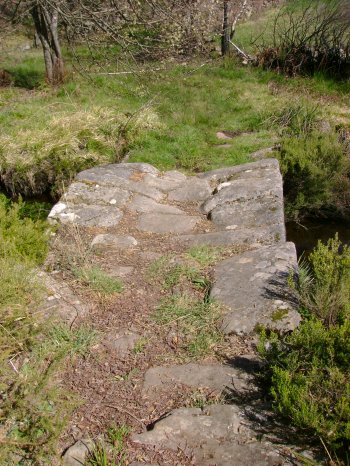
This Roman road emerges from albufeira about one kilometre south-west of the chapel of Saint Alexius, in Penedones, next to the graves. This location until Tariq, the former EN 103 adopted the route of Via romana, passing West of castro de São Vicente, the village of Chã, Peirezes, Peirezes and Gralhós bridge. It was built in the time of the first Roman Emperor Augustus, as evidenced by the anepígrafo milestone. Is an integral part of the route of the Via romana XVII, between Braga and Astorga.
Via Romana de Peireses
- heritage
Peireses
5470-068, Montalegre
This Roman road emerges from albufeira about one kilometre south-west of the chapel of Saint Alexius, in Penedones, next to the graves. This location until Tariq, the former EN 103 adopted the route of Via romana, passing West of castro de São Vicente, the village of Chã, Peirezes, Peirezes and Gralhós bridge. It was built in the time of the first Roman Emperor Augustus, as evidenced by the anepígrafo milestone. Is an integral part of the route of the Via romana XVII, between Braga and Astorga.
Torre das Cabaças ou Cabaceiro
- heritage
Rua Engenheiro Zeferino Sarmento
2000-121, Santarém
It is, in fact, the Clock Tower of Santarém and was erected in the 15th century on top of a tower within the walled enclosure of the old medieval town. It is one of the city's best-known buildings, and its popular name, Torre das Cabaças (Tower of the Gourds), comes from the clay gourds used to amplify the sound of the imposing bronze bell dating from 1604. From its 26-meter height, it is possible to see the city's urban layout and the surrounding fields. Currently, it houses the Time Museum.
Casa de Chá da Boa Nova
- food & drink
Avenida da Liberdade, 1681
4450-718, Leça da Palmeira
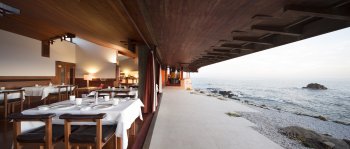
The Boa Nova restaurant, chef Rui Paula's bet, brings the sea and the sky to the table. In a setting of rare beauty, indoors and outdoors, this restaurant occupies the famous Casa de Chá da Boa Nova, a work by Siza Vieira in Leça da Palmeira, classified as a National Monument. Leaning over the rocks and the sea, the emblematic building has been restored, respecting its unique characteristics and also the original furniture according to the drawings of the time and using the materials initially planned.