Explore the best places
Results for see page MAKEMUR.com pay to have my criminal case reduced to a misdemeanor in Portugal


Museu da Música Mecânica
- heritage
Rua dos Alegrias - Arraiados
2955-281, Pinhal Novo
This museum consists of a completely closed box, which aims to establish a certain parallel with a music box. Visitors have the opportunity to enter this large “music box”, travel through time, explore and listen with great curiosity to hundreds of mechanical instruments, distributed across five exhibition galleries, arranged around a central courtyard.
Museu do Contrabando
- heritage
Santana de Camba
7750-413, Mértola
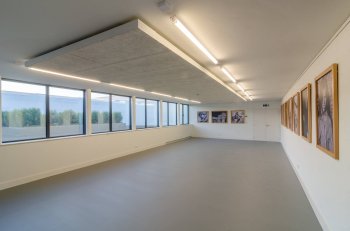
The Museum of smuggling is a small museum structure you want, above all, to perpetuate the memory of the smuggling activity in this territory raiano. Installed in the former Fiscal guard post Santana de Cambas, intends to function as place of registration and evocation of the memories of all those who have made the smuggling activity of survival of the community.
Museu do Sabão
- heritage
Rua da Escola Nova, 4
6040-024, Gavião
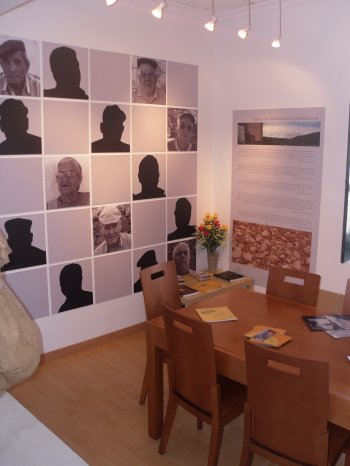
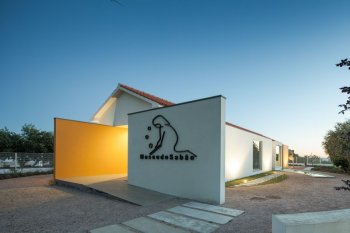
The Soap Museum was opened in 2013, in Belver, in the municipality of Gavião. Installed in the former Belver primary school, this museum has an advanced, interactive technological system that allows visitors to gain deeper knowledge about the history and art of soap and soap makers. Portugal became one of four countries in the world that have a Soap Museum.
Teatro Politeama
- art
Rua das Portas de Santo Antão, 109
1150-266, Lisboa
Theatre inaugurated in 1913 that opened with the operetta “waltz of love”. The plans of the project are from Ventura Terra. It was closed during a long time but after the works it was again the stage of several shows. The room has 759 seats and a pit, café-concert style, where the spectators may have dinner while enjoying the show.
Forte do Bom Sucesso / Museu do Combatente
- heritage
Avenida Brasília
1400-038, Lisboa
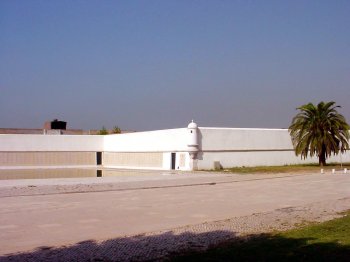
Admire the magnificent ashlar masonry with which Francisco Arruda decorated the tower and go up to its 30 meters to view the vast territory you have just visited. At the east side is a sculpture that symbolizes the hydroplane that Gago Coutinho and Sacadura Cabral used to make the Atlantic south aerial crossing, on March, 1922.
Igreja da Misericórdia de Coruche
- heritage
Travessa do Hospital, 2
2100-134, Coruche
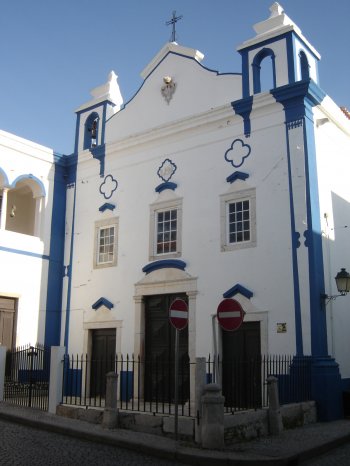
Very old temple, from the 16th century, with a single nave, with a high choir supported by four simple columns and in which there is a pipe organ dated 1803. The main altar does not have a crossing arch and bears in the center the image of the patron saint, Our Lady of Conception. The royal facade has a royal crown.
Muralha e Portas Antigas da Cidade de Viseu
- heritage
Rua Silva Gaio
3500-203, Viseu
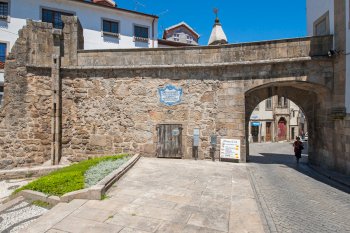
It is a set of sections of the old 14th century wall, where some sections near the Porta do Soar de Cima and the Porta de Cavaleiros stand out, the only remaining ones of the seven primitive gates. These doors have profile arches pointed on the outside and lowered on the soffit and a niche with the image of the tutelary saint.
Muralhas e Portas da Cidade de Peniche
- heritage
Avenida Monsenhor Manuel Bastos
2520, Peniche
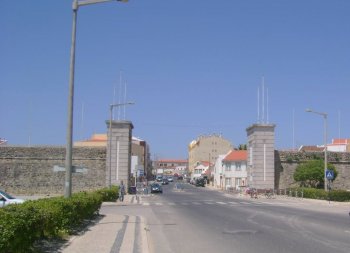
Peniche is partially surrounded by 16th-century walls, which enclose the whitewashed houses divided by narrow streets. The walls have defended the city since that time, along with the Fort of Consolação and the Fort of São João Baptista das Berlengas. However, during the Peninsular War, it proved weak, succumbing to the Napoleonic invasions of 1807.
Praça do Comércio / Praça Velha
- heritage
Praça do Comércio
3000-116, Coimbra
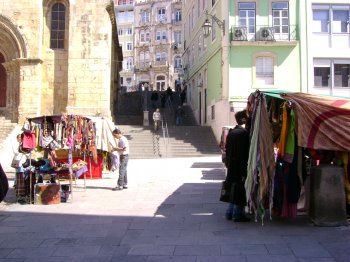
The Praça do Comércio owes its name to the intense commercial activity that it used to have, before the opening of the D. Pedro V Market. At the square ends are the São Tiago Church, Romanic style, and the São Bartolomeu, from the baroque period. Also worthy of notice are the pillory and the XVII and XVIII centuries buildings around.
Ponte Romana de Peireses
- heritage
Peireses
5470, Montalegre
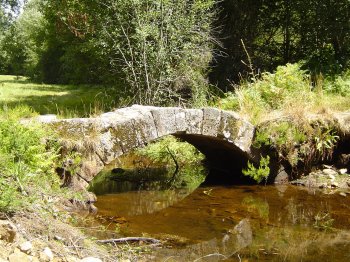
Small stone bridge with one arch, surrounded by vegetation and built Rabagão River. It is believed that it was erected in the modern age, as presented, which does not invalidate that hasn't existed in Roman times. Is a confirmed location of the passage of the via romana, however doesn't have enough features so that you can confirm your romanity.