Explore the best places
Results for PROBLEMGO.COM get my daughter out of jail ASAP pay hidden wiki visit without any trouble in Portugal


Convento dos Capuchos
- heritage
Rua Miradouro dos Capuchos
2825, Caparica
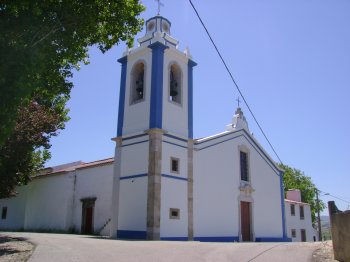
Convent built by D. Lourenço Pires de Távora in 1558. It has a façade surrounded by corners topped off in the acroteria by flames and an interior porch with three arches. The large window of the choir is topped by a niche with a clay sculpture. In the galilee, tile panels stand out. Located in the area of the Protected Landscape of Arriba Fóssil da Costa de Caparica, from there you can contemplate the landscape of the coast of Lisbon, Estoril and Cascais.
Convento e Igreja de São Francisco
- heritage
Rua de São Francisco, 59
5300-037, Bragança
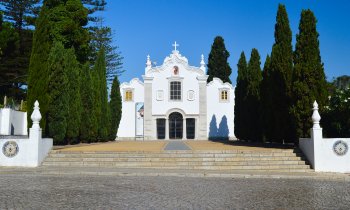
Built in the 13th century to house the mendicant order of San Francisco, it underwent several renovations in the following centuries, with the Mannerist façade dating back to 1635. In the second half of the 19th century, in the convent area, it was built the Military Hospital and, later, the Duke of Bragança Asylum. Among the various 18th century altarpieces it has, the one in the Chapel of Nossa Senhora da Conceição stands out, in which some rocaille applications are notorious.
Basílica de Nossa Senhora do Rosário de Fátima
- heritage
Cova de Iria
2495, Fátima
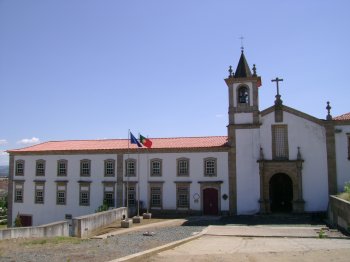
Temple of neo-baroque structure, built in the early 20th century, on the site of the apparitions of our Lady. Dominated by a central tower of several floors, the colonnade is decorated by ceramic panels representing the Via Crucis. Designed by the Dutch architect Gerard van Kriechen and continued by the architect João Antunes, stands out for its dimensions, the statue of the Immaculate Heart of Mary in the niche of the tower and the mosaic that represents the Holy Trinity crowning of our Lady.
Capela da Misericórdia de Álvaro
- heritage
Praça de Misericórdia
6160-011, Oleiros
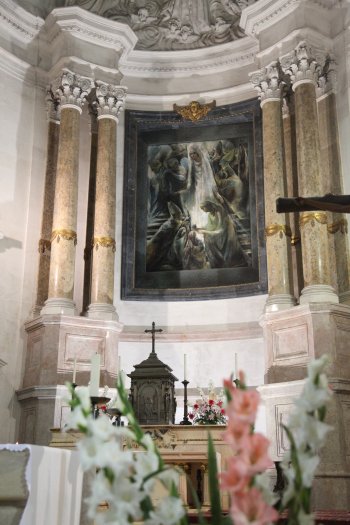
Religious architecture consisting of nave and chancel, separated by a Transept. The interior retains some of the symbolic religious figures, like a dead Christ with the Holy Women and s. John the Evangelist. It stands out, too, the altar in gilded, coffered ceiling and the niches of the main Chapel, where you can see 2 figures carved in stone from Ançã, depicting Joseph of Arimathea and Nicodemus. The ceiling panels saves the Via Crucis.
Capela das Almas / Capela de Santa Catarina
- heritage
Rua de Santa Catarina, 426-428
4000-124, Porto
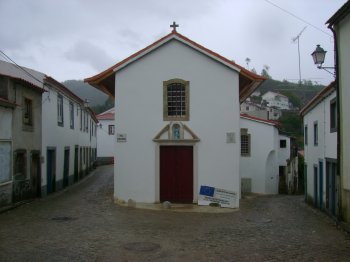
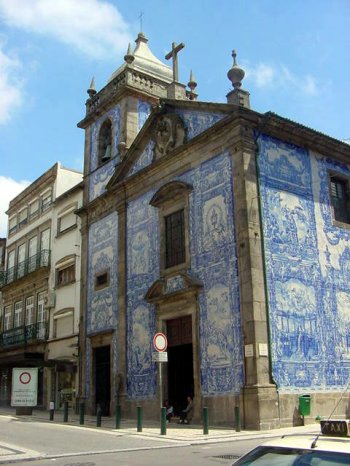
With a great architectonical simplicity, the Almas chapel dates from the beginning of the XVIII, and was repaired and enlarged in 1801. In 1929, the façades were covered with azulejos, by Eduardo Leite, representing the life of São Francisco de Assis and of Santa Catarina. The main façade presents a glass window by the painter Amândio Silva. Inside, the panel painted by Joaquim Rafael, representing the Lord’s Ascension and the image of Nossa Senhora das Almas stand out.
Cozido nas Caldeiras das Furnas
- leisure
Lagoa das Furnas
9675-090, Furnas
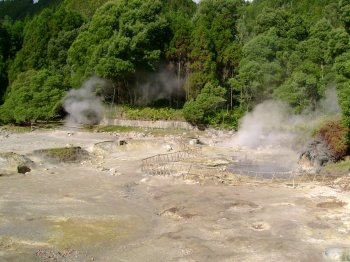
This is the best-known dish in the local gastronomic culture. Vegetables, pork and beef sausages are placed in a pan and placed in the heat of the boilers for around six hours. Then just dig out the pot and enjoy. At Lagoa das Furnas, as long as you show up early, you can cook your own stew, with the help of a person responsible for the Furnas Parish Council. Otherwise, the various restaurants in the surrounding area offer this delicacy.
Museu Abade de Baçal
- heritage
Rua Abílio Beça, 27
5300-011, Bragança
Installed in the building of the former Bishop's Palace of Bragança, this museum includes collections of Sacred Art, Epigraphy, Archaeology, Jewellery, Ethnography, Furniture and Painting, in which paintings by José Malhoa, Abel Salazar and 70 drawings by Almada Negreiros stand out. It was created in 1915, initially as the Regional Museum of Works of Art, Archaeological Pieces and Numismatics, adopting its current name in 1935 as a tribute to the researcher, scholar and former director of the Museum.
Galeria dos Benfeitores da Santa Casa da Misericórdia do Porto
- art
Rua das Flores, 5 - 15
4050-262, Porto
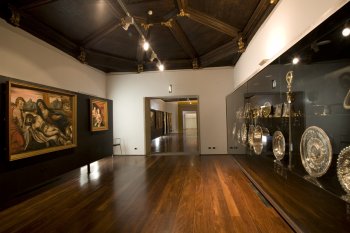
The Church dates from the XVI century but suffered profound changes during the baroque period, from which we point out the Nicolau Nasoni’s front. Neighbouring the church and the sacristy, you’ll find the Galeria dos Benfeitores, a fine exemplar of the iron architecture where valuable paintings are in exhibition, namely the famous Flemish painting “Fons Vitae”. In exhibition are also religious and civil jewellery Works from the XVI and XX centuries.
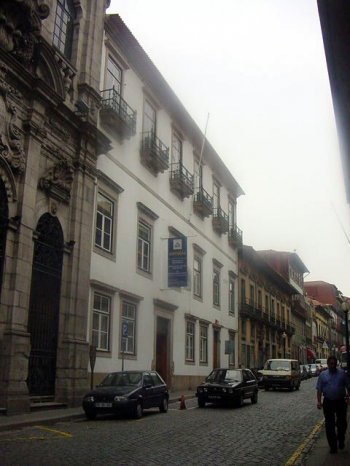
Igreja Matriz de Almeida / Igreja do Convento de Nossa Senhora do Loreto
- heritage
Rua Joaquim Carvalho dos Santos, 31
6350-234, Almeida
Built in the 16th century, the building initially housed the Convento das Freiras Terceiras Regulares de S. Francisco, dedicated to Nossa Senhora do Loreto. Later, in the 18th and 19th centuries, it was a military headquarters and hospital. After the explosion of 1810, it was remodeled and became the village's Mother Church. Inside, the Capela do Menino Jesus stands out, with a portal from 1699. Currently, the temple is dedicated to Nossa Senhora das Candeias.
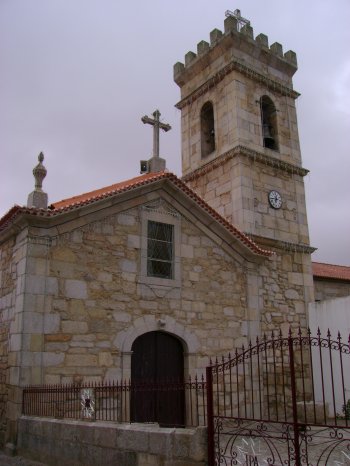
Igreja Matriz de Dois Portos / Igreja de São Pedro
- heritage
Rua da Paz
2565, Dois Portos
This temple was constructed on the 16th century; it possesses three naves divided by round arches and fifteen hundreds columns with Ionic capitals. The wooden roof has in the central roof mate, an important and rare oeuvre. The main chapel has an altarpiece dated from the 17th century and the walls are covered in white, rose and black marble. It stands out the four panels in board with paintings from Diogo de Torres, the carving and the imagery.