Explore the best places
Results for MAKEMUR.COM buy a lawyer who knows the judge dark web fast enter clients love us in Portugal


Ponte de Dona Maria Pia
- heritage
Sobre o Rio Douro
4300, Porto
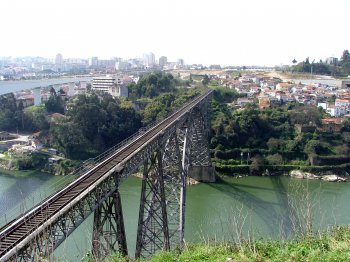
The D. Maria Pia Bridge, built little above the D. Luís I Bridge, allowed the railway connection between the two Douro sides. Its construction, planned by Eiffel, began in January, 1876. It was built with great precaution because its only roadway is hanging at about 61 metres above the river’s water level. In all the construction were used about 1600 tons of iron, which didn’t even scratch its lines’ harmony and elegance. The works were concluded on November, 4th, 1877 and nowadays, although it is closed, we can still admire its beauty and usefulness.
Miradouro do Penedo da Saudade
- country
- leisure
Avenida Doutor Marnoco e Sousa
3000-331, Coimbra
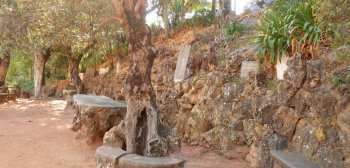
This is a viewpoint filled with evocative marble plaques bearing excerpts from poems by famous Portuguese authors who studied in Coimbra. It also has an area called "Retiro dos Poetas" (Poets' Retreat), with effigies of authors such as Eça de Queiroz, António Nobre, and João de Deus. It offers a magnificent panoramic view of the city.
Poço de São Bartolomeu
- heritage
Largo de São Bartolomeu
2070-561, Vale da Pinta
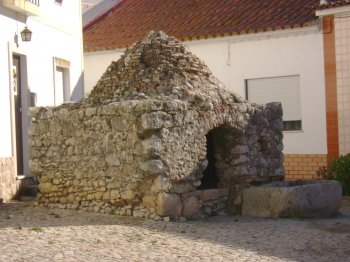
It is one of the landmarks of the town of Vale da Pinta and, according to legend, King Afonso Henriques drank water there before the Battle of Ourique. The name of the well, believed to have been built in the 9th century, also comes from that time, as it is thought that the men who accompanied the first king of Portugal saw an image of Saint Bartholomew there.
Rochedo
- food & drink
Rua de Vale D'Álvaro, 17
5300-274, Bragança
Is a house without pretentiousness but who is proud of their cooking and medium\/high clientele that opens the doors to her daily. If you don't like to wait (the dishes are all made at the moment) it is best to call the placing the order. There is no shortage of proposals. Hunting has a special place on the menu through the Jackrabbit rice and Partridge with chestnuts in pan with plums.
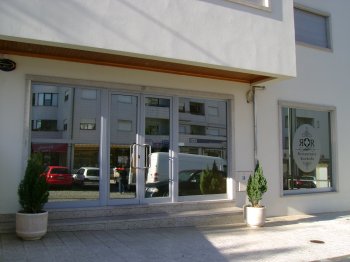
Igreja Matriz de Porto Santo / Igreja de Nossa Senhora da Piedade
- heritage
Largo do Pelourinho
9400, Porto Santo
A Mannerist and Rococo church, built in the 16th century, consisting of a single nave and a lower, narrower chancel. A bell tower and a sacristy are also attached to the facade. Having been burned down several times by pirates and corsairs who landed on the island, it now preserves beautiful altarpieces and paintings inside, by Martim Conrado and Max Romer.
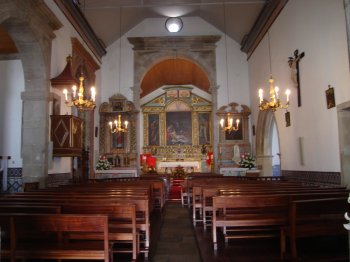
Convento de São Francisco da Cidade
- heritage
Largo da Academia Nacional das Belas Artes, 14
1200-087, Lisboa
Founded in 1217, this convent became a reference of the urban structure and the history of the city’s evolution. The fact that the earthquake of 1755 didn’t affect it seriously shows us the robustness of its walls, pillars and arches. It is presently occupied by institutions connected to the teaching of arts and by the Contemporaneous Art National Museum.
Museu das Terras de Regalados
- heritage
Lugar da Igreja, 81
4730, Pico de Regalados
The Museum lands of Pampered gathers the collection of sacred art from the parish. It houses about a hundred pieces of cult and religious use. His estate, dated between the 16th century and the 18th century. XX varies among the statuary, the vestments, the talha, the metals, the bibliography and documents.
Igreja Matriz de Sarzeda / Igreja de Santa Luzia
- heritage
Largo Professor Doutor João Fraga de Azevedo
3640-180, Sarzeda
It is inferred that this church was built on the 16th century. Nowadays it is still used as the parish church of Sarzeda. It has wall painting panels next to the altar. These images represent the Gospel, Saint Bartolomeu and some Martyrs Saints. It is formed by a longitudinal plan with nave, main chapel, sacristy and campanile.
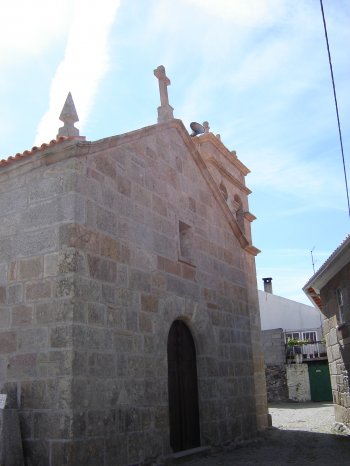
Igreja de Nossa Senhora do Monte
- heritage
Caminho das Tílias
9050, Funchal
Church built in the XVIII century in the place where a chapel from the XV century used to be. Inside are visible some goldsmithery from the XVII and XVIII centuries and some paintings. At the lateral chapel is the body of Charles Habsburg, Emperor of Austria, Hungary and Bohemia, exiled in 1931 to Madeira.
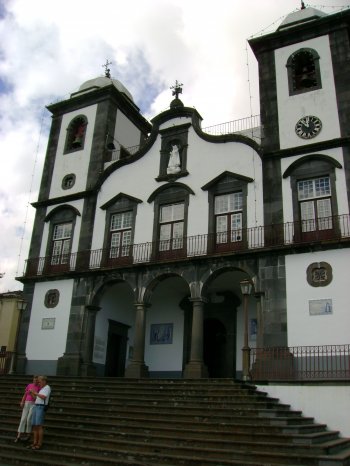
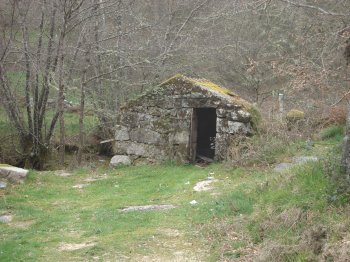
Moinho de Água de Assureira
- heritage
Assureira
4960-026, Castro Laboreiro
Located next to the Assureira Bridge and to São Brás Chapel there is a water mill. This construction has a robust character and made of blocks from popular architecture. It possesses stone culvert, open that used to lead the water to the river by the land until inland. The devices for milling are presently destroyed.