Explore the best places
Results for MAKEMUR.com d Fréiloossung aus dem Prisong kafen in Portugal


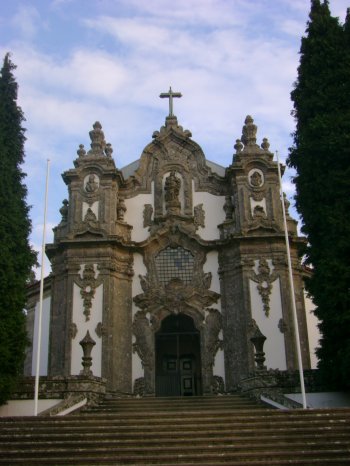
Igreja de Santa Maria Madalena
- heritage
Via da Falperra - EN309
4715-390, Nogueira
Church in monte da Falperra, is a beautiful example of Rococo architecture. It is designed by the architect André Soares da Silva Braga, at the instigation of Archbishop d. Rodrigo de Moura Telles. The interior is coated with 18th century tiles ceramist Policarpo de Oliveira Fernandes.
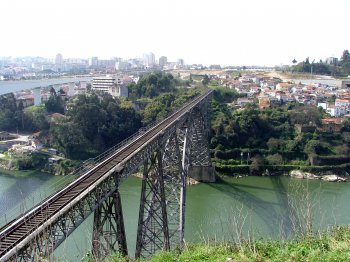
Ponte de Dona Maria Pia
- heritage
Sobre o Rio Douro
4300, Porto
The D. Maria Pia Bridge, built little above the D. Luís I Bridge, allowed the railway connection between the two Douro sides. Its construction, planned by Eiffel, began in January, 1876. It was built with great precaution because its only roadway is hanging at about 61 metres above the river’s water level. In all the construction were used about 1600 tons of iron, which didn’t even scratch its lines’ harmony and elegance. The works were concluded on November, 4th, 1877 and nowadays, although it is closed, we can still admire its beauty and usefulness.
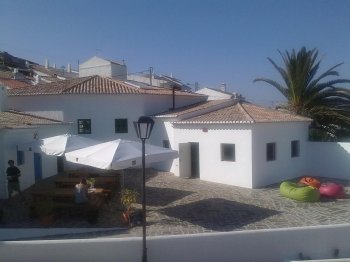
Sítio da Pedralva
- food & drink
Rua de Baixo - Aldeia da Pedralva
8650-401, Vila do Bispo
Young restaurant with casual atmosphere and relaxed service, from breakfast to dinner. Serves the main dishes of the Costa Vicentina as you know au naturel, mussel and limpets with rice porridge cooked crabs, oysters, mussels, grilled or baked sea bream, Conger, horse mackerel small rice alimados, Buzios with feijoada, Octopus with rice, sardines with corn porridge, fried moray eel, fish stew, stuffed squid, grilled sardines, chicken giblets, "youth team" (corn porridge), massada de peixe, octopus salad, tripe, pork sausages and traditional pork dishes, regional sweets (donut, dreams and Almond Cake).
Convento dos Congregados de São Filipe Néri
- heritage
Rossio Marquês de Pombal
7100-513, Estremoz
Built in the early 18th century, it served as the palace of D. Constantino de Bragança, Viceroy of India, and only later as a convent. Highlights include the stonework and tiles, which depict scenes from the life of St. Philip Neri, and the beautiful marble staircase, featuring hunting scenes.
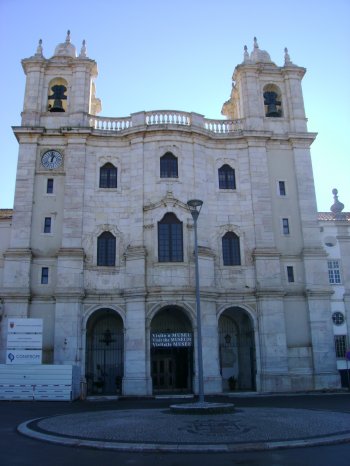
Igreja de São Vicente
- heritage
Rua Francisco de Passos
6300-558, Guarda
This seventeen hundreds temple presents a baroque façade sided by two bell ringer towers. The historian glazed tiles panels stand out and they are placed in the church nave and main chapel. It was reconstructed in 1790 by initiative of Bishop D. Jerónimo Rogado de Carvalhal e Silva.

Igreja de São Martinho de Soalhães
- heritage
Avenida da Igreja, 17
4630-609, Soalhães
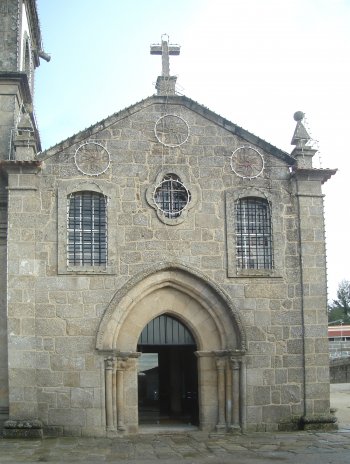
Founded in 875, the Soalhães Monastery was donated to the bishop of Porto by D. Sancho II in 1267, and likely became the main church shortly thereafter. Remodeled in the 18th century, the Church of Soalhães retains its medieval main portal. Inside, it houses an interesting collection of tiles and carvings.
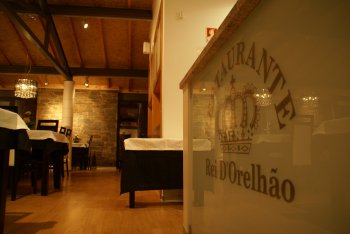
Rei d'Orelhão
- food & drink
Largo da Igreja, 1
5370-152, Mirandela
The King of restaurant pay phone, in Mirandela, brings to its customers the typical band went dishes. The prices are very affordable and the restaurant offers specialities such as lamb the King d ' payphone, home-made jams with cheese and Sausage Terrine in Apple nest with port wine juice.
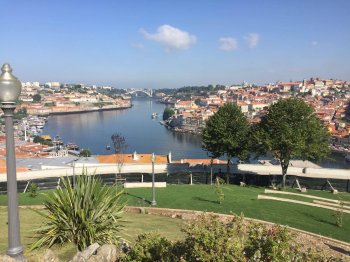
Jardim do Morro
- country
- leisure
Rua Rocha Leão
4400, Vila Nova de Gaia
Located next to the upper deck of the D. Luís bridge, at the foot of Serra do Pilar, Jardim do Morro has an abundant green area, a children's playground, an esplanade and an open-air auditorium, often the stage for shows. There is a viewpoint with a panoramic view of the city of Porto and the Douro River.
Convento de Paderne
- heritage
Paderne
4960-224, Paderne
Romanesque construction dating from the 11th century, whose Foundation is attributed to d. Paderne, widow of count Hermenegildo, Lord of Tuy. In the 12th century no longer functioned as a nunnery and passed to the Canons of Saint Augustine. In the 16th century, King Sebastian ordered the convent passed to the friars crosier.
Igreja de Santa Maria de Abade de Neiva
- heritage
Rua da Senhora da Abadia, 186
4750-003, Igreja
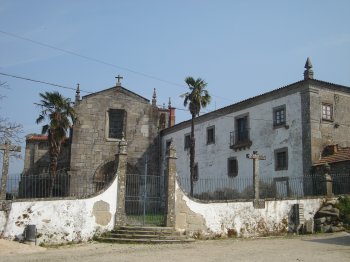
This is a Romanic rural church but it has the doors and main chapel window already in Gothic style. It was founded in 1152 by Queen D. Mafalda. From the Romanic period it only maintains traces, namely the corbels and the portico with columns and decorated capitals. It possesses a rectangular tower and crowned by pyramidal merlons.