Explore the best places
Results for MAKEMUR.COM buy a lawyer who knows the judge dark web fast enter clients love us in Portugal


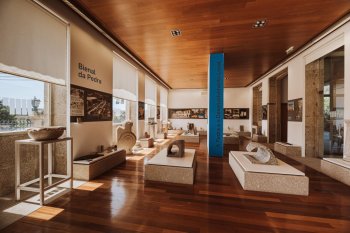
Museu da Pedra de Marco de Canaveses
- heritage
Avenida de São João, 900
4575-029, Alpendorada e Matos
Here you can visit three key areas: Stone and Local Development; Man and Stone; and Stone in the Arts. With a strong visual component, essential elements related to stone are on display, including its mineral composition, human use for a wide variety of purposes, work tools, artistic applications, and its importance for economic sustainability and local development.
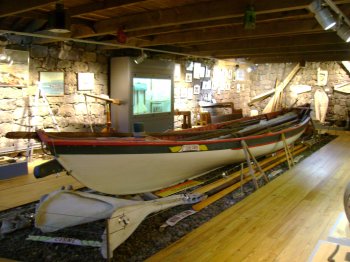
Museu do Pico - Museu dos Baleeiros
- heritage
Rua dos Baleeiros, 13
9930-143, Lajes do Pico
The architectural set of the Whaling Museum is made up of boathouses from the last century, an attached blacksmith's tent and the space where the library and archive are located. Opened in 1988, it aims to preserve the memory of an activity that marked Azorean life - whaling art. It includes exhibits of pieces crafted from ivory teeth and a whaling canoe, used in whale hunting.
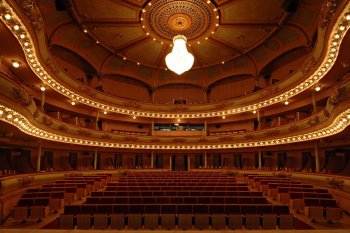
Teatro Ribeiro Conceição
- art
Largo de Camões
5100-211, Lamego
This 18th-century building once served as a hospital and an infantry regiment. It wasn't until 1929 that it opened as a theater, remaining in use until 1987. After renovations, it reopened in 2007. The circular concert hall is covered with a dome, and seating is divided into stalls, a box section, and two levels of boxes with ornate balconies. The building is classified as a Property of Public Interest.
Igreja de Santo António dos Congregados
- heritage
Rua de Sá da Bandeira, 11
4000-433, Porto
Built at the end of the XVII century, on the place where a chapel devoted to Santo António used to be, the Congregados church has a sober façade decorated, in the XX century, with azulejos (tiles) by Jorge Colaço. At the walls you can see mural paintings by Acácio Lino, representing scenes from Santo António life, work done in 1927.

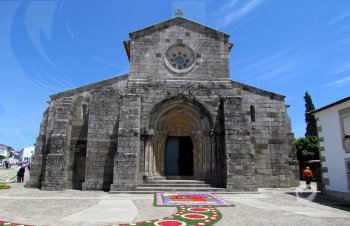
Igreja Românica de São Pedro de Rates
- heritage
Largo do Conde Dom Henrique, 1870
4570-412, Rates
This is a Romanic temple that used to belong to the first convent of Cluny in Portugal and it suffered several transformations on the XVII and XVIII century. From this granite construction it is worth to mention the sculptures adorning the multiple capitals and two granite sculptures from the XII century. IT should be mentioned that this church had origins in a chapel with small dimensions dated from the Reconquest period.
Igreja da Misericórdia de Amieira
- heritage
Rua do Adro
6050, Nisa
16TH century Church consists of nave, chancel and Bell Tower, whose execution date of 1550. Brings together various styles due to the successive amendments which aesthetic was the target in the 17th, 18th and 19th centuries. It features headstones inscribed with historical references. The mortuary chapel for adaptation that is currently used dates from the 20th century.
Pórtico da Igreja do Convento da Esperança
- heritage
Rua Actor Taborda
2200-372, Abrantes
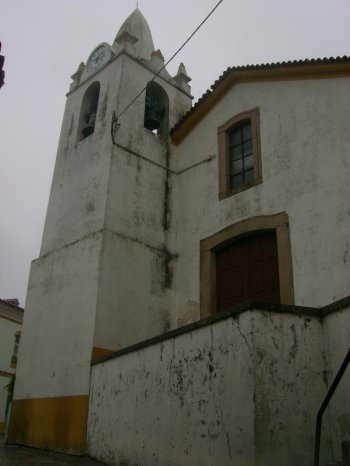
Rectangular portico with a round arch laying in Toscana pillars framed by pilasters. From the original cloister it only conserved the wing leaned towards the church north wall, torn by round arches and topped by a balcony. It has preserved the four round arches and respective corbels on the vault that used to cover this wing. On the former cloister yard there are two cisterns.
Quinta e Palácio de Nossa Senhora da Piedade
- heritage
Avenida Dom Vicente Afonso Valente
2625, Póvoa de Santa Iria
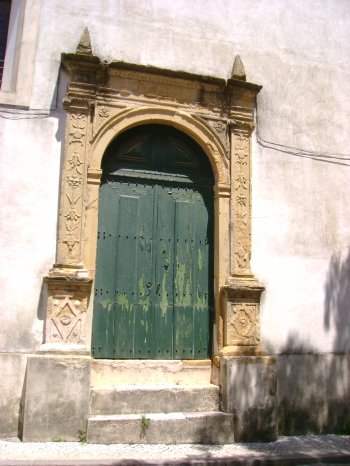
This 18th century residence used to belong to the Counts of Vila Nova de Portimão. The Palace was reconstructed during Pombaline time and all the ensemble was enriched with glazed tiles panels’ application. The estate has several terraces and paths sided by boxwood, a small chapel, a lake and a 18th century church all covered with glazed tiles from that period.
Ponte de Esmoriz
- heritage
Caminho da Ponte de Esmoriz
4640-015, Ancede
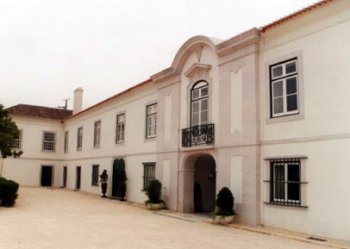
Located over the river Ovil, Ponte de Esmoriz is framed in a landscape still marked by a strong rurality. As in the case of Panchorra, in Resende, the Ponte de Esmoriz reflects the late use of quite remote constructive models. Consisting of a single round arch, it is part of the set of road crossings associated with the religious and economic importance of the neighboring Monastery of Ancede.
Vila Cacilda / Casa de Dom Miguel
- heritage
Rua da Quinta do Bonfim, 2
2790-404, Linda-a-Velha
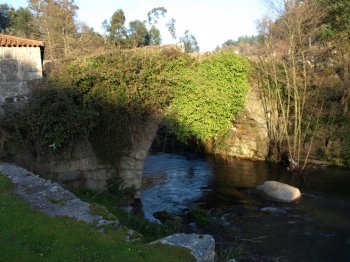
Baroque building with two floors and rectangular plan constructed on the XVIII century, most likely. In the beginning of the XIX century, King Don Miguel used to stay here during the huntings. Afterwards, during the XX century the building was transformed into flats and rooms for rent. On the inside we can stand out the baroque tiles from the Pombaline period.
