Explore the best places
Results for best place to buy fc coins reddit Visit Buyfc26coins.com Kedvezmények nagy mennyiségekre..bmRx in Portugal


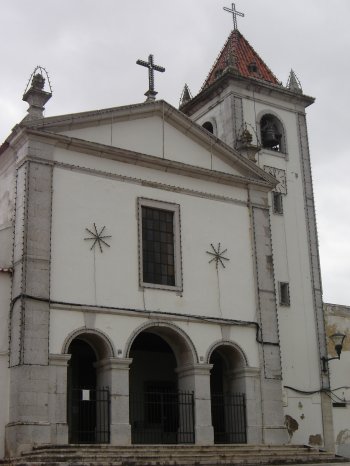
Igreja Nossa Senhora da Atalaia
- heritage
Rua Antonio Joaquim Marques
2870, Atalaia
A Mannerist building, rebuilt in the 18th century. The interior walls are covered in 17th-century blue and white tiles depicting scenes from the life of the Virgin Mary. At the back of the church is a eucalyptus grove that ends in a fountain, the Fonte da Senhora or Fonte Santa, where, according to legend, Our Lady of Atalaia appeared. The traditional symbolic "Lavagens" are still held there today during the parish's main pilgrimage, which takes place on the last Sunday in August.
Igreja da Misericórdia de Mangualde/ Casa do Despacho
- heritage
Rua Albertino de Macedo, 5
3530-219, Mangualde
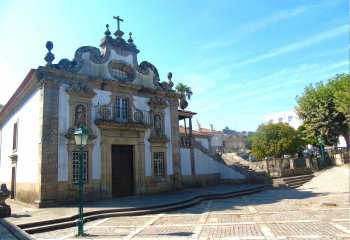
Its construction took place between the years 1721 and 1724, on a project by the architect Gaspar Ferreira. It comprises a nave, a sacristy and a dispatch room. The filling it received for the interior turned it into a fine example of Baroque art from the Johannine period. Highlights include tile panels with Christian symbolism, referring to scenes from the New Testament, scenes from the lives of Mary and Jesus, tiles from Fábrica do Rato in the sacristy and details of the main altarpiece.
Mosteiro de Grijó
- heritage
Alameda do Mosteiro Grijó
4415-998, Vila Nova de Gaia
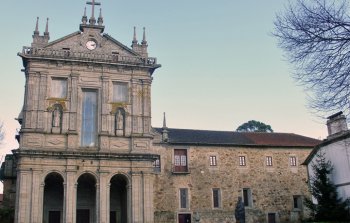
The primitive monastery, called Monastery of São Salvador de Grijó, was founded in 922 in the place of Muraceses. It was only in the year 1112 that it was moved to its current location. In 1770 the convent was extinguished, passing its assets to the Convent of Mafra. Of note are the gilded carvings and the 18th century tiles in the chancel, as well as the pipe organ, from the end of the 18th century and beginning of the 19th century. Also noteworthy is the tomb of D. Rodrigo Sanches, classified as a National Monument.
Povoado da Veiga
- heritage
Vilar de Perdizes
5470, Vilar de Perdizes
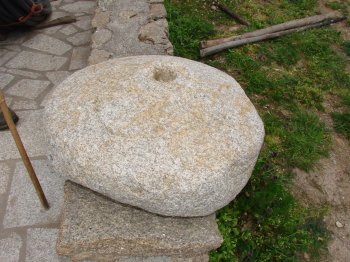
Possible Roman settlement, located on farmland to the South and East of State Highway 508, between the chapel of our Lady of health and the village of Vilar de Perdizes. Here, on the riverbank Assureira, are fragments of "tegullae", Roman and domestic pottery stones fond. In some places displays alignments also walls. Given the scope of this possible settlement, it is considered to have been an important habitat of the Roman era that, due to the absence of later materials, suggests being abandoned.
Pedra com Inscrição a Júpiter
- heritage
São Vicente
5470-071, Chã
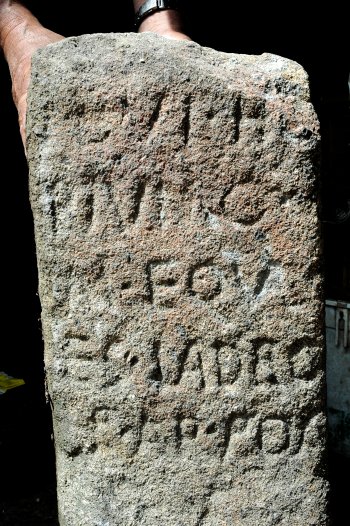
It is a shrine dedicated to a deity, placed along the Via romana. Rectangular granite block, rudely worked, having only been fond on the face that bears the inscription, not having been careful to ferret the remaining edges. However, it is obvious the care in polishing and demote Epigraphic field area only, completed in its entirety. The left alignment and the existence of fairly regular interlineares spaces also in care are graphical execution. Currently, is in the possession of the person who found it.
Camping Rural Os Anjos
- hotels
Estrada da Senhora da Saúde, 1179 - Apartado 90
7371-909, Campo Maior
This rural campsite, located 15 kilometres from the border and the city of Badajoz and only 800 meters from the beautiful white city of Campo Maior (8 kilometers from the Dam of the Fall). This is the ideal place to enjoy a vacation enjoying the unspoilt nature and a diverse landscape. It is also an opportunity to meet the friendly people of Campo Maior, culture and crafts. Take the opportunity to take advantage of the Alentejo cuisine, experiencing the traditional flavours and the wine of the land.
Ruínas do Castelo de Salir
- heritage
Rua dos Muros do Castelo
8100, Salir
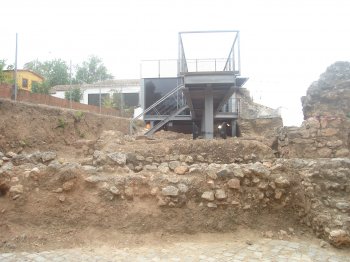
Salir might have been the place where D. Paio Peres Correia awaited the arrival of D. Afonso III, so that together they could undertake the conquest of what remained in the province in the hands of the Moors. During the time of King Afonso III, this location became a stronghold, giving the castle a privileged role in the definitive conquest of the Algarve. It is presumed that the castle was burned down and rebuilt twice, and today only ruins of its walls remain.
Teatro Municipal de Vila do Conde
- heritage
Avenida Doutor João Canavarro
4480-754, Vila do Conde
Opened to the public in 1949 and closed in the 80, the Teatro Municipal de Vila do Conde has been recently recovered and includes a capacity of about 800 places, provided with all conditions of comfort for the spectators. There is also a rehearsal room, a bar in support of various support services and equipment to the activity, including foyers and dressing rooms. All the rooms are endowed with régie with analog film projection equipment and digital video and sound and light production unit.
Theatro Circo
- heritage
Avenida da Liberdade, 697
4710-251, Braga
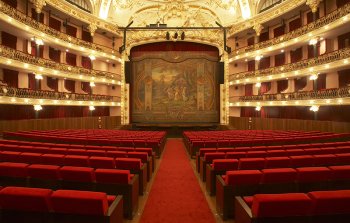
Opened in 1915, was designed by the architect João Moura Coutinho, constituting the most important work of Braga from the beginning of the century. Until the 30, schedule alternated Theatre, cinema, circus and music. Passed through here all the theatre companies of the time. In 1999 enters works and, after seven years with works of refurbishment, opened again to the public, in 2006, with two rooms (a small auditorium with 236 places and a choir room) and with the replacement of the moth of the Hall.
Ponte de Vilela
- heritage
Lugar de Vilela
4620-021, Aveleda
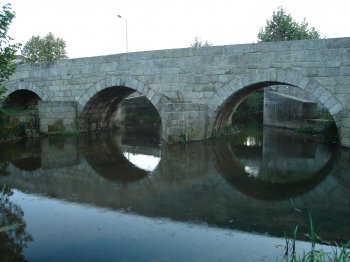
Although difficult to date, the construction of this bridge can be placed between the 17th and 18th centuries, considering its technical and constructive characteristics and judging by references in the Parish Memoirs of 1758. However, it may have been built during a period of increased circulation needs in the region during the 13th century, with strong demographic expansion, the Crusades, pilgrimages, and growing population mobility. Featuring four perfect semicircular arches, its typology is inspired by Roman constructions.