Explore the best places
Results for visit main PROBLEMGO.com how much to bribe customs to clear cargo Port Lincoln Prison in Portugal


Igreja de Teixeira
- heritage
Teixeira
5225-012, Sendim
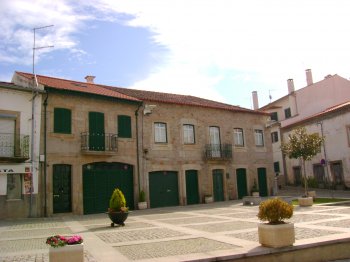
Baroque church dating from the 16TH century, the present a longitudinal composite plant and a single nave with main façade in truncated Gable for a double Bell. In the interior, highlighted by a panel of 16th century frescoes, for an altarpiece in Baroque gilded side and for a major altarpiece carved white and polychrome.
Igreja do Palácio de São Marcos
- heritage
Rua Dom Duarte Nuno - EN575
3025, Coimbra
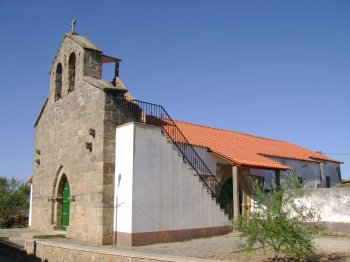
Church that results form the cinquentist reform, presenting a manueline main door. Inside are worthy of notice the renassaint retable, and important tumular art set from the XV and XVI centuries, the Magi chapel, the sacristy, the chapter’s house, the cloister and the cellars of the former São Marcos convent.
Igreja de Nossa Senhora da Piedade
- heritage
Praça Sá da Bandeira
2000-135, Santarém
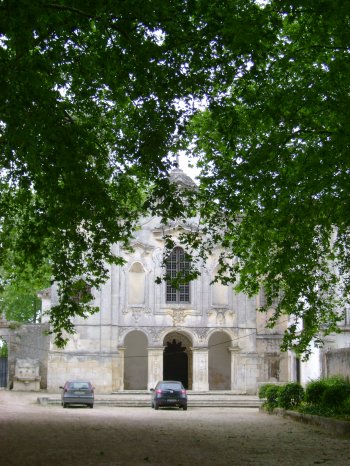
Church founded in 1664 by Dom Alfonso VI, was completed in 1684 according the project of Jácome Mendes. Features three portals with "Renaissance reminiscences", being the main crowned by the Braganzas shield and the sides, with allusive to the restoration War legend. Highlighting the marbles inlaid, painted ceilings and gilt.
Igreja de Santa Margarida
- heritage
Praça Francisco Gonçalves Pereira
7900-455, Peroguarda
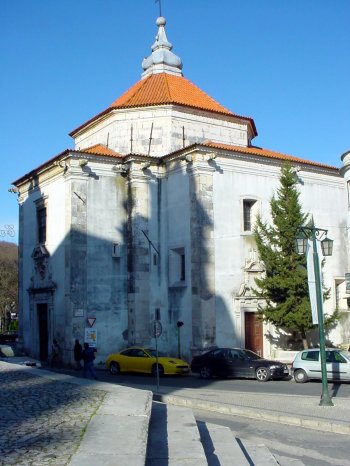
Parish Church, nave only, long and narrow as is characteristic of the popular building churches built during the middle ages. Inside, beyond the plastic quality of the altarpieces and the main altar of the chapel of the Senhora do Rosário, emphasis on the preservation of spaces with medieval marks. Outside the popular taste.
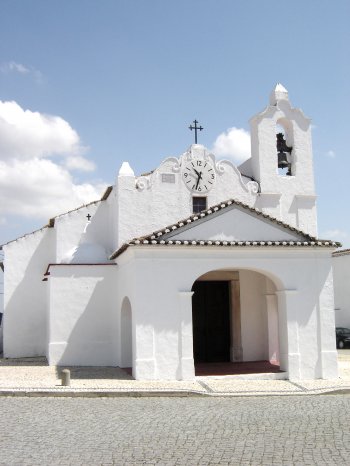
Igreja Paroquial de Gouveia / Igreja de São Pedro
- heritage
Praça de São Pedro, 4
6290-526, Gouveia
Chiesa Madre (mother church) of longitudinal plant consisting of a nave, a chancel and a vestry located near closer, with differentiated internal coverings. On the main facade, there are two bell towers with three records. It was built in the 18th century on the site of a primitive Temple, suffering renovations in the following centuries.
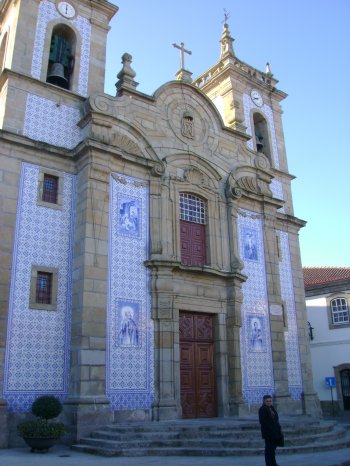
Igreja Paroquial de Lamegal / Igreja de Nossa Senhora da Assunção
- heritage
Adro da Igreja
6400-232, Lamegal
Religious architecture consisting of nave, chancel, vestry and Bell Tower. The facade consists of a 16th century portal, by the window of the choir and double bell tower. Inside: the 18th century spires that sustain the corners and the altarpiece of the main Chapel, Baroque carved johannite, painted white and gold.
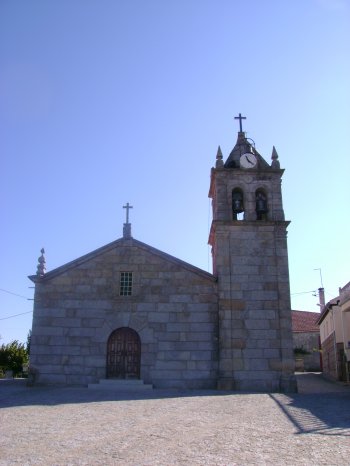
Igreja Paroquial de Trindade / Igreja da Santíssima Trindade
- heritage
Largo da Igreja
5360-202, Vila Flor
Mannerist and neo-classical Church, simple longitudinal plant consisting of a nave, a chancel and a vestry located near closer, with homogeneous coverage in gable roof. On the main façade, highlighted by the axial portal and Bell back perfect and, inside, highlighting major altarpiece carved neoclassical polychrome.
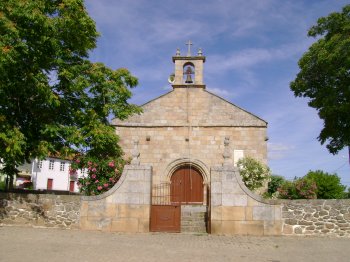
Igreja Paroquial de Vila Facaia
- heritage
Rua Professor Afonso Lopes da Costa
3270-225, Vila Facaia
This church is a nineteen hundreds construction, composed by nave, main chapel, lateral chapel, sacristy and campanile with watch in it. The façade is white with finished with granite. The paintings in the wooden crates that compose the ceiling are from the XX century. The floor is in brick. It still preserves the baptismal font in chalky stone.
Igreja da Misericórdia de Rio Maior
- heritage
Rua Serpa Pinto, 115
2040-249, Rio Maior
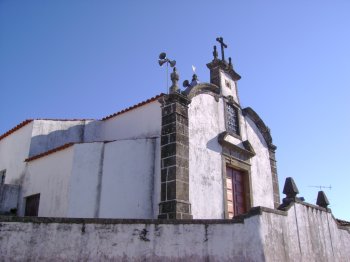
The architecture is religious in nature, consisting of a vaulted chancel and a nave, the latter with two side altars. The sacristy preserves a Baroque lavatory. Another highlight is the baptismal font, brought from the main church, which is housed in a chapel under the tribune, next to the Chapel of Senhor dos Passos.
Paços do Concelho de Alcaide
- heritage
Praça Gil Pinheiro - EN345-4
6230-002, Fundão
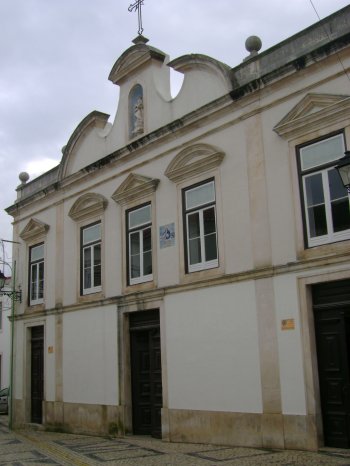
Typically building beirão, rectangular plant and two floors, where stands out, in the main façade, a counter and at the entrance, a shield and two armilares. It was built in the 16th century, later (between 1870 and 1960) as primary school. In the late 20th century was adapted to Museum and Gallery exhibitions.