Explore the best places
Results for Mosteiro dos Jerónimos in Portugal


Vistas do Castelo de Algoso
- country
- leisure
Rua do Castelo
5230, Vimioso
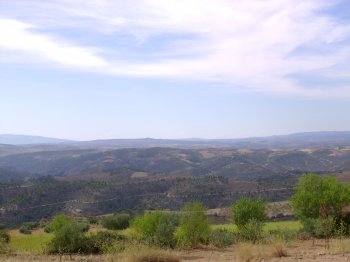
This castle is located at the top of Cabeço da Penenciada, approximately 681 meters above sea level, between the Angueira and Maçãs rivers. This small fortress, which once served to defend the Sabor River, today serves as a privileged viewpoint over Trás-os-Montes. Some points can be identified: Miranda do Douto (Northeast), Vimioso and Outeiro (North) and Penas Roias and Mogadouro (Southwest).
Concatedral de Miranda do Douro
- heritage
Largo da Sé
5210-184, Miranda do Douro
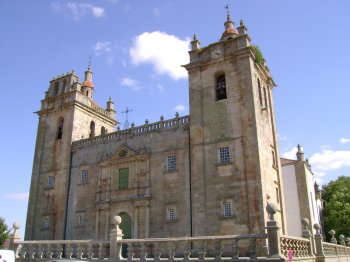
The former cathedral of Miranda do Douro, founded in 1552 by Dom João III, was designed by Gonçalo Torralva and Miguel Arruda. Notable features include its Mannerist façade, bell towers, altars, altarpieces, vaults, and stalls. The altarpiece's sculptures depict, among other themes, the apostles and the Virgin Mary amid angels. Of particular note is the wooden figure of the Baby Jesus in a Top Hat.
Capela de Nossa Senhora do Desterro
- heritage
Largo do Rio da Fonte
2070-397, Pontével
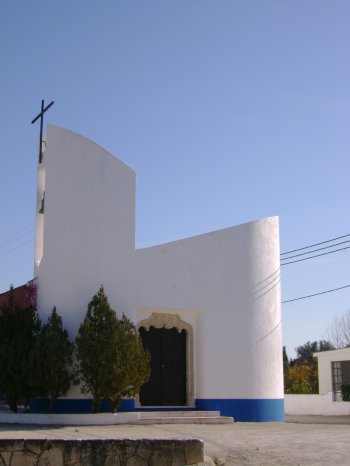
The early church was built in the 16th century, which remains the Manueline portal. In 1970 was destroyed to make way for that today. The façade is rounded and consists of nave, chancel, belfry and vestry. Inside you can see 17TH century tiles and a wooden bench at the entrance, 1635, rebuilt during the rebuilding of the new Church. Currently, in late August, receives the feasts of Nossa Senhora do Desterro.
Antigas Minas de Volfrâmio da Borralha
- heritage
Borralha
5470-407, Montalegre
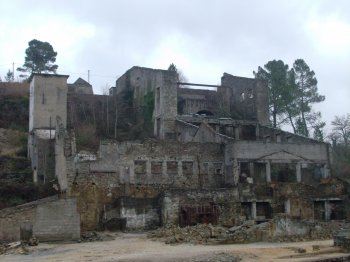
The former Borralha mining estate encompassed the parishes of Salto and Venda Nova, as well as the parish of Campos, already in the municipality of Vieira do Minho. It comprised 36 concessions, totaling approximately 1,788 hectares. Of these concessions, 28 were for tungsten and tin, ten for tin, and two for tungsten, copper, and silver. These mines employed thousands of people, transformed and invigorated the area, and gave it national and international visibility.
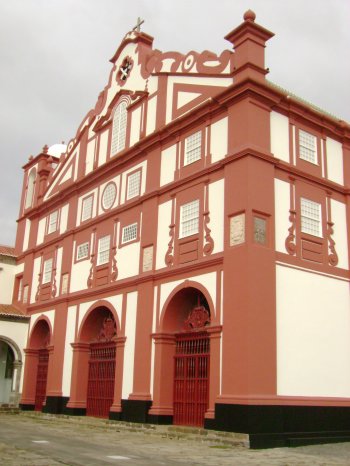
Antigo Convento e Igreja de São Francisco / Museu de Angra do Heroísmo
- heritage
Ladeira de São Francisco
9700-181, Angra do Heroísmo
Baroque convent where works, currently, the Museu de Angra do Heroísmo. It is an 18th century building which was built on two earlier closures Franciscan. Featuring sober lines, with facades where Tower the pilasters and the window openings. Attached to the convent, a church dedicated to Nossa Senhora da Guia, with the interior divided into three naves. Highlighting the gilded altarpieces and for some Baroque paintings.
Cristas de Galo
- leisure
Vila Real
5000, Vila Real
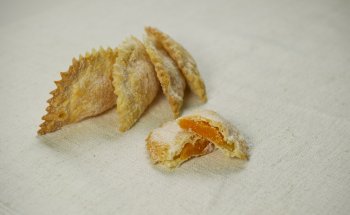
As cristas de galo são também conhecidas como Pastéis de Toucinho, uma vez que a sua origem será mesma essa. Oriundas do Convento de Santa Clara ter-se-ão destacado pelo seu formato peculiar em forma de crista, que acabou por batizar esta extraordinária relíquia da doçaria local.
Doce Fino
- leisure
Faro
8000-155, Faro
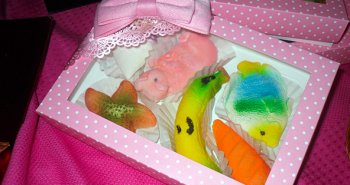
Estes bolinhos algarvios são feitos a partir de uma mistura de massapão, à base de amêndoa, o ingrediente mais comum na doçaria tradicional algarvia, açúcar e clara de ovo. Caracterizam-se por representarem formas que fazem parte do dia a dia, sobretudo na cozinha, como frutas, legumes, animais, etc.
Morcelas (Açores)
- leisure
Ponta Delgada
9500, Ponta Delgada (Açores)
Prato típico português, a morcela é mais confecionada no Alentejo, Beira Baixa e também nos Açores. Por tradição, são servidas fritas, com ovo estrelado e batatas fritas. No entanto, começou a ser apreciada na companhia de ananás natural. É frequentemente servida como complemento do cozido à portuguesa ou com feijoada.
Negalhos
- leisure
Coimbra
3000, Coimbra
O negalho é um prato típico que deriva de uma receita também muito conhecida desta região da Beira litoral: a chanfana. Consta-se que teve origem nas invasões francesas, quando o exército ocupante se viu confrontado com a fome e foi obrigado a aproveitar toda a carne, inclusivamente as tripas dos animais.
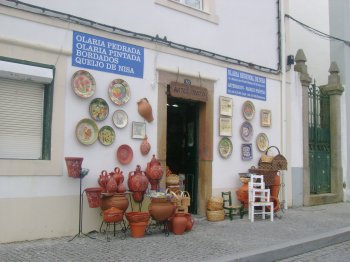
Olaria Regional de Nisa
- leisure
Praça da República, 53
6050-350, Nisa
Os desenhos nos barros, motivos florais simétricos, são riscados pelos oleiros no barro ainda fresco e preenchidos com pequenas pedras brancas. Este trabalho é feito, habitualmente, por mulheres. As peças mais conhecidas são as vasilhas para a água. A olaria de Nisa tem características que a distingue da restante olaria do país.