Explore the best places


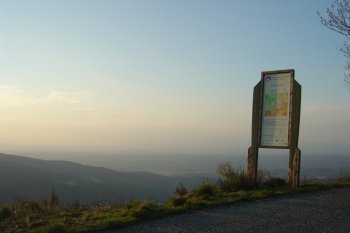
Barragem de Fronhas
- beach
- country
Fronhas
3300, Fronhas
Dam on the Alva River, Mondego River Basin, used to control river flooding and to divert inflows to Aguieira through a tunnel.
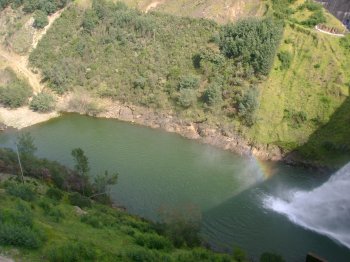
Passeio por Pomares
- heritage
Pomares
3305, Pomares
A stroll through a typical village in the Beira region.
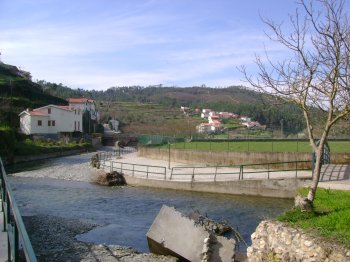
Praia Fluvial de Coja
- beach
Praia Fluvial de Coja
3305, Coja
A river beach located on the Alva River, surrounded by willows, poplars, and small willows. In the summer, it is quite popular with bathers, given that the course of the waters and the various weirs found here favor the practice of extreme sports.
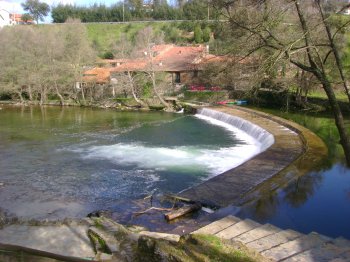
Praia Fluvial de Cascalheira
- beach
Praia Fluvial de Cascalheira
3300, Secarias
A bathing area located on the Alva River, very pleasant on the hottest days.
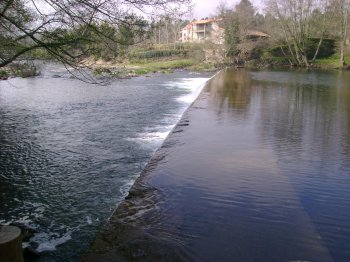
Mosteiro de São Pedro / Mosteiro de Folques
- heritage
Folques
3300, Folques
The former convent of the Crusader friars, probably dating from 1162, has undergone several renovations over the centuries, the last one in the latter quarter of the 20th century. Its 16th-century cloister, with two floors, has undergone several alterations, notably the Manueline elements on the east-facing side.
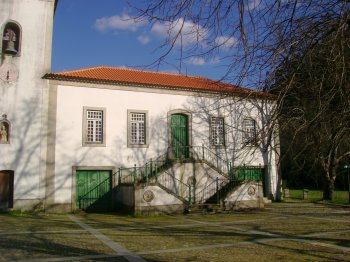
Museu Regional de Arqueologia e Etnografia de Arganil
- heritage
Avenida das Forças Armadas
3300-011, Arganil
The Regional Museum of Archaeology and Ethnography of Arganil encompasses the collection from the Roman military camp of Lomba do Canha (2nd century, Republican period) and dolmens 1 and 2 of Moinhos de Vento, Lomba do Canha, Arganil.
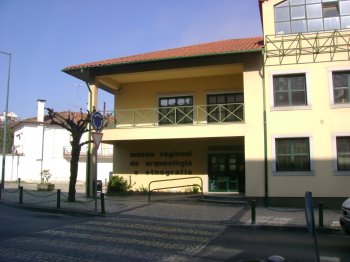
Praia Fluvial dos Moinhos de Alva
- beach
Praia Fluvial dos Moinhos de Alva
3305, Coja
A bathing area located on the Alva River, very pleasant for a hot day.
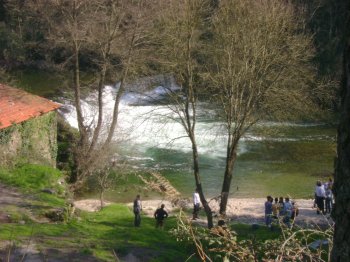
Capela de São Pedro
- heritage
Rua Comendador Saúl Brandão - EN342-4
3300, Arganil
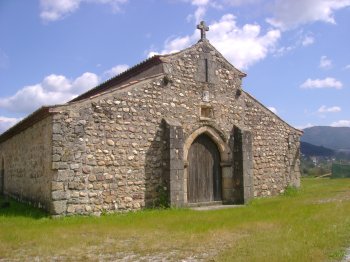
A granite temple dating from the 13th century (a period of transition from Romanesque to Gothic). The interior has three identical naves and apsidal chapels.
Queda de Água da Fraga da Pena
- beach
- country
Fraga da Pena
3305, Benfeita
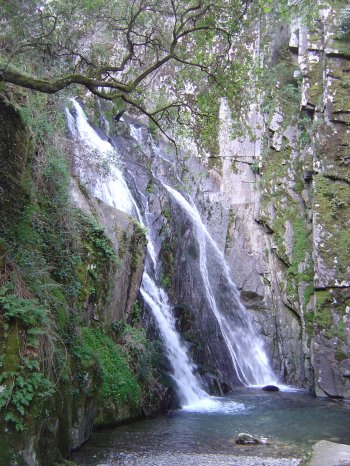
Located within the Serra do Açor Protected Landscape Area, near the village of Benfeita, Fraga da Pena is a kind of miniature replica of Poço do Inferno in the Serra da Estrela mountain range. As the waters of the Barroca das Degrainhas stream flow towards the Ribeira da Mata stream, they encounter a drop of more than 20 meters, forming a waterfall and, below, a small lagoon. The rock formation is entirely covered in moss and surrounded by vegetation. The temperature there, even in summer, is extraordinarily low.
Paisagem Protegida da Serra de Açor
- country
Estrada Panorâmica do Alto da Ceira
3305-034, Benfeita
The Serra do Açor, along with the Serra da Estrela and the Serra da Lousã, forms the group of mountain ranges that practically divide Portugal in half. Partly covered by pine forests, the mountain range, located within the municipality of Arganil, hides details of rare beauty. The Mata da Margaraça is an example of this scenic beauty, constituting one of the rare examples of natural vegetation on the schist slopes of the country's center. Species such as chestnut, oak, laurel, and some holly and laurel trees make up the flora of this protected landscape area. In terms of fauna, we …