Explore the best places
Results for MAKEMUR.com d Fréiloossung aus dem Prisong kafen in Portugal


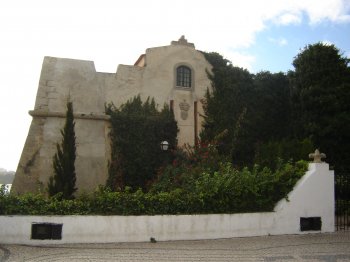
Forte de São Clemente
- heritage
Largo de Brito Pais
7645-234, Vila Nova de Milfontes
From this fortress, built at the end of the 16th century, one can view almost the entire Vila Nova de Milfontes. Originally built with a polygonal plan, with canon areas and two triangular bastions, it was damaged in seevarl ways in 1638. During the reign of D. João IV it underwent changes and its military capacity grew bigger. A model of the military mannerist architecture, it was later turned into a residence and a medieval turret with battlements was added to it. Currently, the trench and the walls are surrounded by vegetation and flowers.
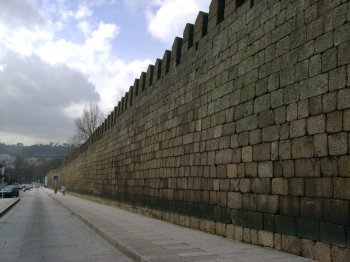
Muralhas de Guimarães
- heritage
Avenida Alberto Sampaio
4810-250, Guimarães
The high part of Guimarães was the first to approach the wall; it was probably during the Kingdom of D. Dinis. From this wall that is extended through around two thousand metres, it only survived an extensive chunk and from the eight towers that were distributed thought the wall, there is still one on the Vila Door. This wall construction started in Dom Afonso III Kingdom and finished during Dom Dinis Kingdom. This wall used to connect the Castle town to Santa Maria town, on the lower part.
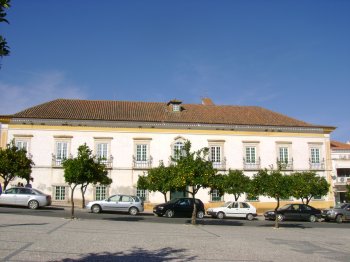
Palácio dos Sousa Câmara
- heritage
Praça da República, 35
7160-207, Vila Viçosa
Another work by the architect José Francisco de Abreu. José Bernardo de Sousa da Câmara was municipal councillor in 1752 and retired in 1798 from the rank of sergeant-major of cavalry, having died shortly after. The House was left to a niece-d. Rrr Xavier Caetano de Aragã. Is the largest manor houses of the village and retains its residential function, in great condition, outside and inside. The facade follows a sober style and symmetrical. Inside there is a chapel and several neoclassical murals.
Ermida de Santo Estêvão / Ermida do Espírito Santo
- heritage
Rua Dom Manuel I
7800-306, Beja
This is one of the oldest chapels of Beja, founded in the end of the XIII century as the vault of the knight Estêvão Vasques. In 1915 it was given to Santa Casa da Misericórdia of Beja, and ended up as a barn. In 1940 it was restored and reopened to cult. It is a chapel with a single nave and main chapel, totally arched, a characteristic of the gothic style during D. Dinis period, with French- Burgundian influence. During the Baroque period the façade was enriched and in the beginning of the XX century some neo-gothic elements were introduced, …
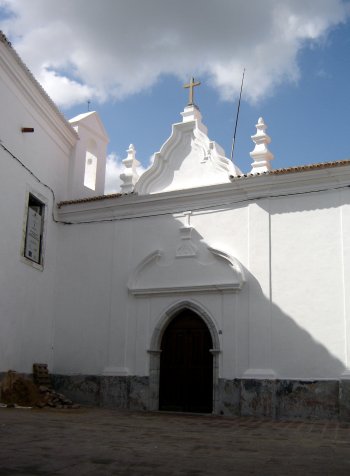
Solar Dr. Agostinho Viegas / Antiga Estalagem em Seia
- heritage
Avenida Doutor Afonso Costa
6270-481, Seia
Manor of simple rectangular plan, with regular and symmetrical facades, showing the main façade three cloths divided by Tuscan pilasters. It was built in the 18th century by households Viegas and Teixeira Farms, belonged to Dr. Augustine Thomaz dos Santos Viegas (1819-1897) was a lawyer, politician and Mayor of Seia. The manor was built by the ancestors of his wife d. Teresa de Jesus de Abranches Teixeira Farm de Figueiredo and is known as the Manor of Dr. Augustine Viegas, as locative plate location.

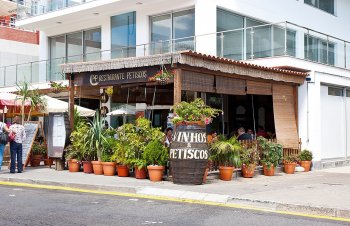
PVP: Pão, Vinho e Petiscos
- food & drink
Rua Simplício dos Passos de Gouveia, 24-28
9000-001, Funchal
Nobody can resist a good tidbit accompanied by a good wine. Was this the bet the PVP, which divided the space into three proposals: the Esplanade, the room as a resource for the rainy days and the wine cellar (supported in shop, next door). The letter offers several options, be they of the land or the sea, for a full meal or for snacking. Among the treats of this bread, Wine and Snacks include sausage, Octopus, cod, meat in vine d '' them, fried rabbit and others. The service also helps in this good experience.
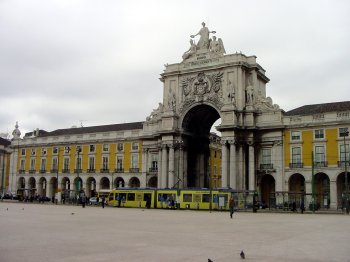
Conjunto urbano da Baixa Pombalina
- heritage
Baixa Lisboeta
1100, Lisboa
The downtown is the result of an urban innovative project, imbued on a clear concern for modernity. With a rigours geometrical sketch, it has its main references on the Tejo River and the D. José statue. Nearby are also the Rossio and Figueira squares. This area was totally rebuilt after the earthquake of 1755, and became one of the best examples of European urban planning. Going through the long avenues you will notice that the neoclassical imponent buildings shelter, nowadays, commercial shops. The Portas de Santo Antão Street is the most indicated to take a walk.
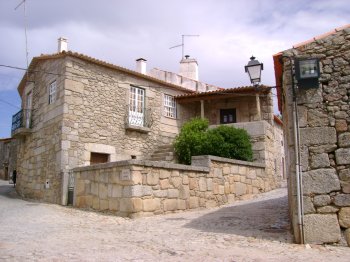
Castelo Bom
- country
- heritage
Castelo Bom
6355, Vilar Formoso
Castelo Bom was conquered from the Leonese by D. Dinis, highlighting the defensive role that the wall played during the Middle Ages. In fact, from the castle and fence (reinforced in the Manueline period) still exist a broken arched door and a small ruined tower (classified as a National Monument). Next to the fortification are two 16th century houses and another one next to the mother church. The typical gastronomy includes sausages, roast kid, river fish and pumpkin jam filled with almonds. Embroidery and lace are also typical works of Castelo Bom.
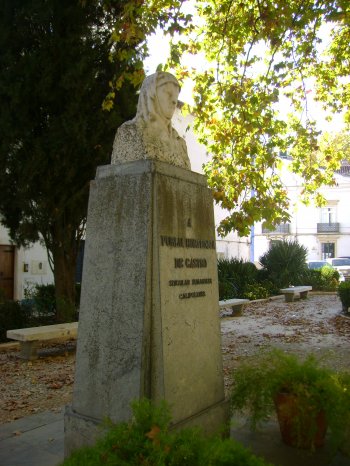
Busto de Públia Hortênsia de Castro
- heritage
Largo 25 de Abril
7160-255, Vila Viçosa
Born in Vila Viçosa, born 1548. His intelligence was appreciated, fact which earned him a one-way ticket to the University to study philosophy. This was followed by training in rhetoric, humanities and Metaphysics at the University of Coimbra. His\/her illustrious figures quickly arrived from other countries. In 1574 already attends the Royal Palace of Évora and the Academy of the Infanta d. Maria. Because the success faded, decided to enter the convent of the infant Jesus da Graça, disillusioned with the ingratitude of those protected. In this convent died, with 47 years.
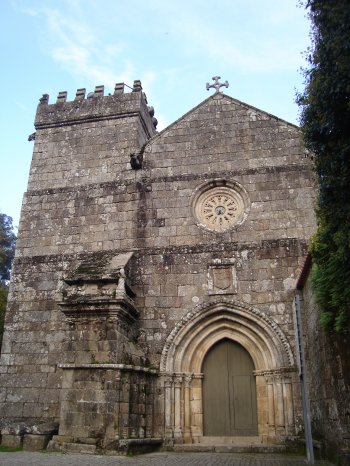
Igreja de São Pedro de Cête
- heritage
Lugar do Barreiro
4580, Lugar do Barreiro
This church used to be part of the disappeared Benedictine monastery and it was rebuilt on the 14th and 15th centuries. From then on it started to possess a cloister, a crenel tower and the frontage giant. The portico has four archivolts with ogival arches settled in decorated columns in the abacus and capitals, with Coat of Arms and rose window. On the inside it possesses a nave, a main chapel where it is possible to find the grave from the Abbot D. Estevão, with some inscriptions and with a statue laying above the cover and funerary – chapel. It …