The Cat Street is one of the most symbolic places of João da Pesqueira. It is thought that originated in the Arabic occupation and is, today, the authentic ex-libris of the Medieval Village, with a structuring of space dating back to that time.
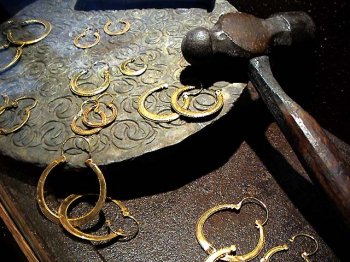
The Gold Museum is housed in a goldsmith's workshop at Casa de Alfena (now a rural tourism accommodation unit) and is part of a group of workshops dating back to the 18th century. This space aims to showcase the identity of a community linked to gold work since ancient times. The museum is the result of the efforts of a goldsmith from Travassos, Francisco de Carvalho e Sousa, who, over fifty years of activity, collected gold objects, utensils, and furniture, now exhibited here.
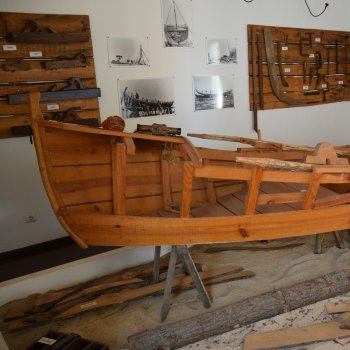
This museum represents the main river activities that the inhabitants of Constância carried out until the middle of the 20th century. Fishing, shipbuilding and river transport stand out.
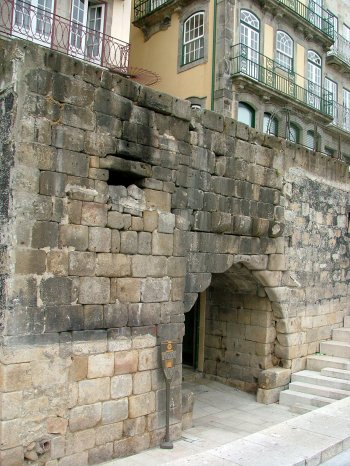
This was, with its iron railings, one of the medieval entrances in the city. Located between the Rua da Fonte Taurina and the Cais da Ribeira, under the Muro dos Bacalhoeiros, this is the only wicket belonging to the XIV century medieval wall that still stands nowadays. It is in a quite hidden place, between the Rua da Fonte Taurina and the Cais da Estiva or Alfândega Velha.