Explore the best places
Results for proceed to portal PROBLEMGO.com pay for early release from jail HMP Berwyn in Portugal


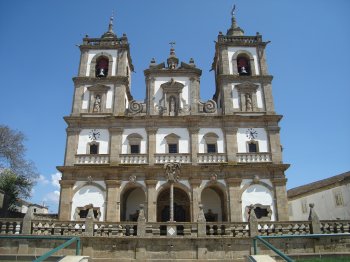
Igreja Matriz de Santa Bárbara e São Nicolau
- heritage
Rua de Santa Bárbara
5445-167, Carrezedo de Montenegro
The present church results from the remodelling work performed on the 18th century. The façade is divided in three floors. The inside has one only nave and on the choir columns are made out of wood. In one of the divisions on the tower there are two granite images: one angel and the Virgin.
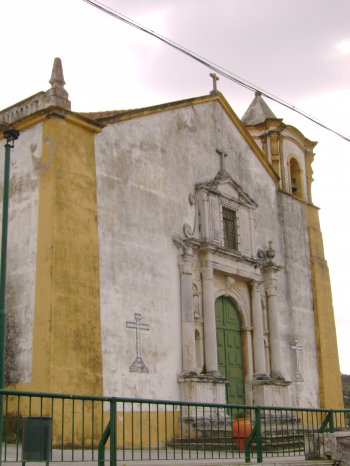
Igreja Matriz de Tancos
- heritage
Rua da Igreja
2260-307, Vila Nova da Barquinha
This church was built on the 16th century, probably on the same location were previously already existed another temple. It stands out several paintings, such as the ones on the sacristy and on the naves, proceeding from the main altarpiece in the Holly Church, the sixteen hundreds glazed tiles and carving altarpieces.
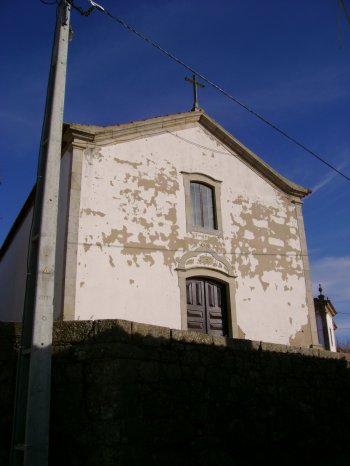
Igreja Matriz de Fatela / Igreja de São João Baptista
- heritage
Rua do Martir, 1
6230-180, Fundão
This is a mannerist and revivalist church, with a longitudinal plan and composed by one only nave, a narrower main chapel and an attached sacristy. It was rather changed during the reforms that took place on the 19th and 20th centuries, maintaining from the original construction (previous to the 14th century) the sacristy window.
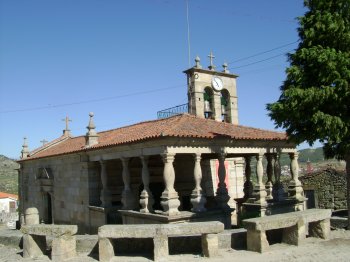
Igreja Matriz de Lavandeira
- heritage
Largo de Santa Eufémia
5140-144, Carrazeda de Ansiães
Late Renaissance temple from the transition period to the Baroque. It has a porch supported on Tuscan columns, all made of granite. The 18th century altarpiece of the Divine Savior, the traces of frescoes on the walls, the roof of the nave and chancel and the ceiling of the sacristy in painted coffers stand out.
Cruzeiro de São Domingos
- heritage
Rua Batalhão de Caçadores
3810-064, Aveiro
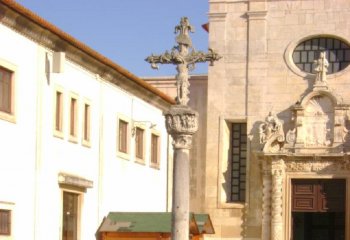
The Cruzeiro São Domingos (calvary), also known as Cruzeiro de Nossa Senhora da Glória is from the end of the XV century. The original is inside the Aveiro Cathedral since the 70ies. It is a quattrocentist calvary with scenes of the Passion and Death of Jesus Christ sculpted in low relief.
Edifício da Biblioteca Municipal do Porto
- heritage
Rua de Dom João IV, 17 - Jardim de São Lázaro
4000-296, Porto
The building of the Municipal Library of Porto was the former convent of Santo António dos Capuchos. Is a building from the late 18th century, has many inner courtyards. Was adapted to the library for Dom Pedro IV. The interior is decorated by ceramic tiles of several convents of invicta and surroundings.
Edifício da Câmara Municipal de Miranda do Douro
- heritage
Lhargo Dom João III, 2
5210-225, Miranda do Douro
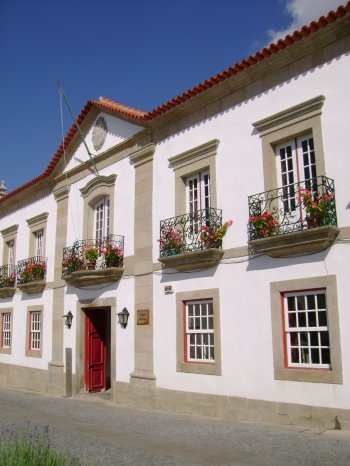
Late neoclassical building, dating from the late 19th century, the present a longitudinal plant and a tripartite façade by pilasters. On the facade, there are still five balconies with wrought-iron balcony and four sash Windows. It was built to house the County Court but eventually host the Town Hall.
Fonte da Lameira
- heritage
Rua do Frade
6040, Atalaia
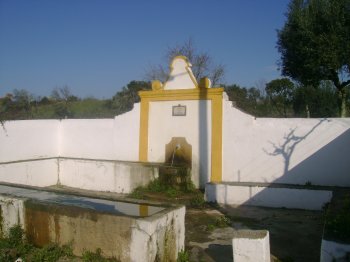
This fountain dates from 1875, was commissioned by the municipality of Gavião and intended to be a source of water supply of the population, especially in times of drought. It is said that also served as a meeting point for couples in love, since the girls came to fetch water with the pitcher in the head and their suitors there were waiting.
Igreja do Carmo
- heritage
Rua do Carmo
4050-164, Porto
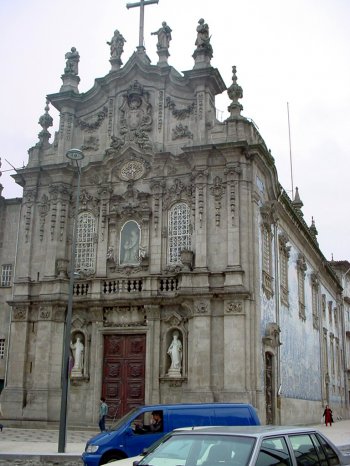
Planned by the architect José de Figueiredo Seixas, this church, built between 1756 and 1768, clearly differs, by its exuberance and majesty, from the neighbour Carmelitas Church. We point out the grand azulejos panel that covers the lateral façade, by the Italian Silvestre Silvestri.
Igreja do Corpo Santo
- heritage
Rua do Corpo Santo, 17
1200-182, Lisboa
Convent built by initiative of Fra Domingos do Rosário, in an area offered by D. Afonso VI. The earthquake of 1755 destroyed it. In 1758 the reconstruction began, being its location slightly moved to west. It is a religious architecture construction from the Marquês de Pombal period.