Explore the best places
Results for PROBLEMGO.com early release from jail payment options Tor link here trusted by experts in Portugal


Casa dos Ferrazes Bravos
- heritage
Rua das Flores, 21-39
4050-265, Porto
The house of the Ferrazes Bravos is a noble house from the first half of the XVII century. It has a chapel on the limitrophe that opens to the ground. The main façade and the posterior have a resistant element and frames in carved granite work. To get to the noble floor you’ll have to climb a stairs with various columns and capitals also in granite. The forged iron bars at the balconies stand out.
Capela de Santa Catarina / Capela de Triana
- heritage
Largo Gago Coutinho
2580-360, Alenquer
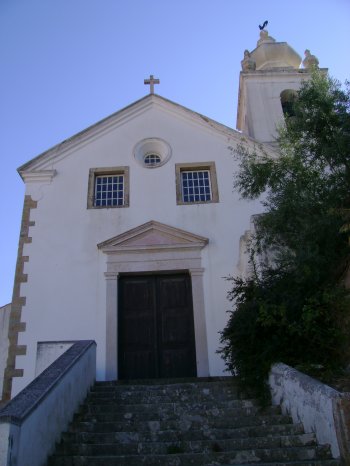
Seventeenth-century chapel which originally belonged to a group of buildings of the Oratory of Saint Catherine, designed by Fr. Andrew of San Bernardino. The façade has straighter Dick portal surmounted by high window of appliance rusticated and finished in triangular pediment and a small bell. Inside, the gilded altars, a pulpit from the 17th century, and a few pieces of eighteenth-century imaginary.
Capela de Santana
- heritage
Mazouco
5180-320, Freixo de Espada à Cinta
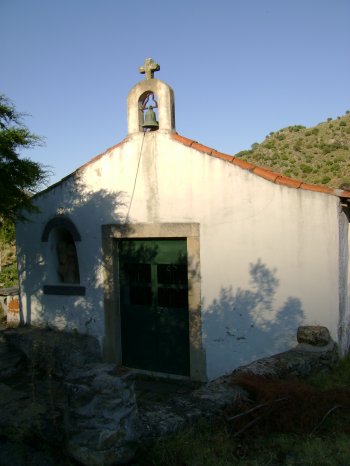
Chapel dating from the 16TH century or 17TH CENTURY, with a main facade gable is terminated, at the top, with an ornate Bell with a small cross. Also features a straight Dick portal, flanked by a gap where a niche that houses a sculpture of Santa Ana, San Joaquin and our Lady Girl. Inside stands a gilded altarpiece, framed by two Solomonic columns.
Porto de Pesca de Azenha do Mar
- leisure
Azenha do Mar
7630, Azenha do Mar
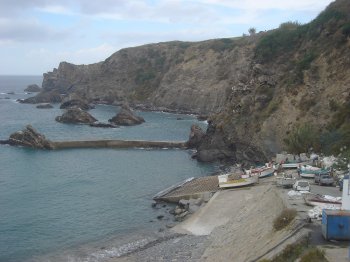
Azenha do Mar originated from the commercial harvesting of red algae that grows on the southwest coast of Portugal, known scientifically as Gelidium sesquipedale. For this small, isolated fishing community, sea work is the main and almost exclusive economic activity for most of the year, but in the summer, the focus shifts to "slime harvesting" (algae harvesting), an activity that changes the seaweed's appearance and odor.
Termas de Monfortinho
- beach
- leisure
Rua Doutor José Gardete Martins, 6
6060-072, Monfortinho
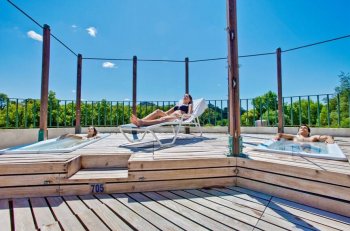
The Monfortinho Thermal Baths have been known since Roman times, thanks to the purity and therapeutic properties of the waters from the Serra de Penha Garcia springs, which are recommended for dermatological conditions and disorders of the digestive, circulatory, respiratory, and psychosomatic systems. Recently renovated, the thermal baths offer a range of personalized treatments, in addition to a gym, solarium, and physiotherapy pool.
Centro Hípico da Quinta das Rolas
- leisure
Rua Doutor Afonso Henriques de Miranda
3080, Quiaios
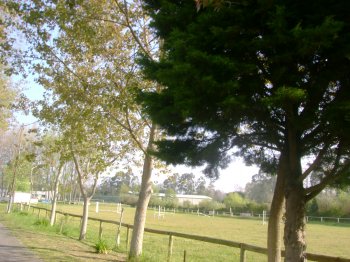
A horse rodong centre with 40 boxes and two maneges, one indoors and the other outdoors. It also has a jumps and obstacles course and about three hectares of pastures. It is ideal for horse riding between the sea and the mountain and for learning how to ride a horse at the horse riding school. The school functions from Monday to Sunday, between 9.30 am and 6.30 pm.
Museu Convento dos Lóios
- heritage
Praça Doutor Guilherme Alves Moreira
4520-170, Santa Maria da Feira
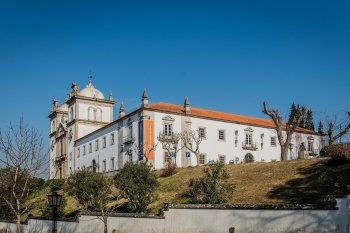
The Lóios Convent Museum is a regional museum that hosts temporary exhibitions of national and international interest, and where you can also appreciate the permanent exhibition in the areas of Painting, Archaeology, History and Art History, explaining the origin of Man, evolution and development of the Lands of Santa Maria. Donations resulting from official acts or actions in the political life of the municipality are also on display.
Museu Municipal de Aljezur - Núcleo de Arqueologia e Etnografia
- heritage
Largo 5 de Outubro
8670-053, Aljezur
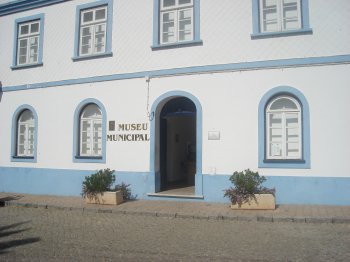
Located in the town's historic area, more precisely in the old Town Hall, the museum has two sections. In the Archaeology section, you can see archaeological finds that marked human presence in the municipality, from the Mirense period, the Bronze Age, and the Muslim occupation. The Ethnography section houses a collection of agricultural implements. The Municipal Art Gallery is located in the same building.
Museu de Artes Decorativas
- heritage
Largo das Portas do Sol, 2
1100-411, Lisboa
The museum, opened in 1999, shows a collection selection of 200 objects – furniture, utilitarian objects and glass objects- organized chronologically to evidence the design evolution since 1937 till nowadays. It has works from designers such as Alvar Aalto, Gio Ponti, Tom Dixon and Philippe Starck, as well as the Portuguese Siza Vieira, Pedro Silva Dias and Damiano Costa.
Núcleo Museológico da Igreja de São Pedro
- heritage
Largo de São Pedro
2510-086, Vila de Óbidos
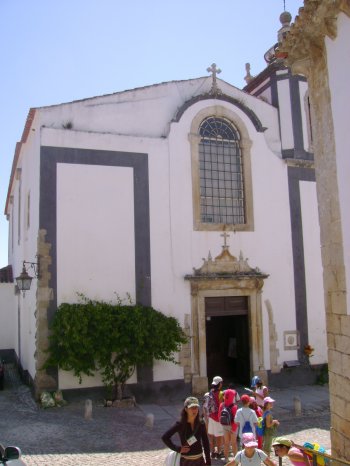
The primitive foundation of the Church of Saint Pedro dates back to the 17th-18th centuries and has three naves with with an arch that stood on columns. Totally destroyed by the earthquake of 1755, only vestiges of the old portal on the facade remain. A special not to the high altar with a magnificent golden carved baroque retable and a painting that represents Saint Peter receiving the Heaven's Keys from Jesus.