Explore the best places
Results for visit main site MAKEMUR.COM Looking to pay the DA to drop assault charges Monroe County Jail in Portugal


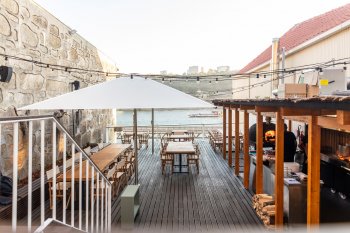
Semea by Euskalduna
- food & drink
Cais das Pedras, 15
4050-265, Porto
Located in Cais das Pedras, with the Douro River as a backdrop, it is an informal and relaxed space, with a fantastic terrace. The menu favors fresh and seasonal products. Be sure to try the famous French toast accompanied by mountain cheese ice cream.
Cova da Beira
- food & drink
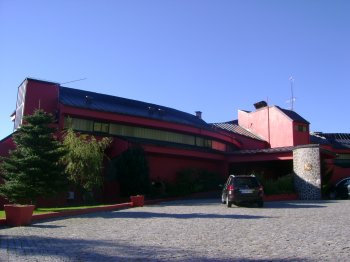
EN339 - Hotel Luna Varanda Dos Carqueijais
6200-073, Covilhã
Restaurant belonging to the Porch of the Inn been fully refurbished, located some 1200 metres above sea level, in a place considered the best viewpoint on the Cova da Beira. In a rustic and cozy, serves good regional dishes.
Cruzeiro de Midões
- heritage
Rua da Igreja
3420, Tábua
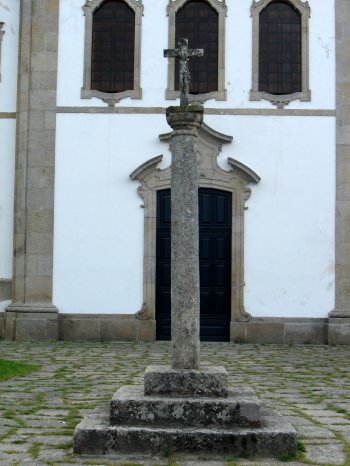
Este cruzeiro em granito, localizado perto da Igreja Matriz de Midões, tem uma plataforma com três degraus e um fuste cilíndrico encimado por uma figura de Cristo.
Mediterrâneo
- food & drink
Avenida José Malhoa, 8 - SANA Malhoa Hotel
1099-089, Lisboa
Espaço pertencente ao luxuoso Sana Malhoa, com ambiente requintado e serviço correto. Sabores mediterrâneos, fazendo jus ao nome do restaurante, mas com a presença da apurada gastronomia portuguesa.
O Arquinho do Castelo
- food & drink
Rua do Castelo, 51
4450-682, Leça da Palmeira
Exquisite space and well-attended, located near the beach of Leça da Palmeira, near the Castle. Restaurant with specialties in fish and seafood. On demand may yet prove the roast lamb and rice of giblets. Good wine cellar.
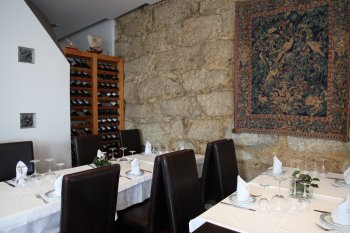
Convento, Igreja de São Gonçalo e Claustro
- heritage
Praça da República, 3
4600-038, Amarante
Founded in 1540, this convent features of various eras. In this monument are the main façade, the taste, the filipino side, with its three-story portico, (being the last Baroque, with pediment crowned by the Royal shield). A special attention to the balcony of Kings, five arches Gallery to the left side of the portico, the two cloisters and the interior, with three naves, with all its decoration. Currently, works here the Municipal Museum Amadeo de Souza-Cardoso.
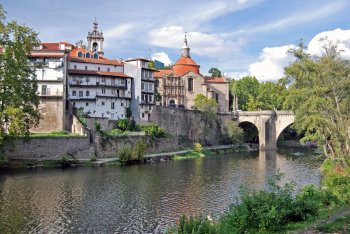
Capela do Senhor dos Passos
- heritage
Rua Mouzinho de Albuquerque, 25
2070-104, Cartaxo
It has a peculiar location, as it is surrounded by two houses on a street close to the main church and the city center. Built in the 16th century, this chapel, of Manueline religious architecture, is attached to a manor house with internal communication through the upper choir. Its most notable features are the quartered coat of arms, the 16th-century portal, the triumphal arch, and the coffered vault. In 1808, it is believed to have sheltered Junot's troops during the French Invasions.
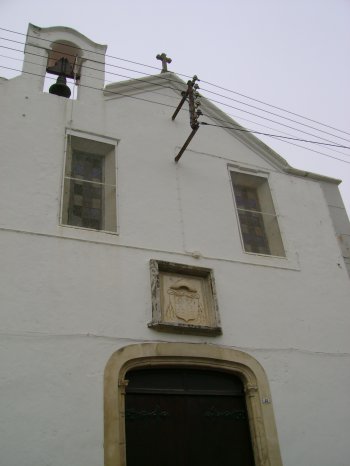
Capela da Misericórdia de Álvaro
- heritage
Praça de Misericórdia
6160-011, Oleiros
Religious architecture consisting of nave and chancel, separated by a Transept. The interior retains some of the symbolic religious figures, like a dead Christ with the Holy Women and s. John the Evangelist. It stands out, too, the altar in gilded, coffered ceiling and the niches of the main Chapel, where you can see 2 figures carved in stone from Ançã, depicting Joseph of Arimathea and Nicodemus. The ceiling panels saves the Via Crucis.
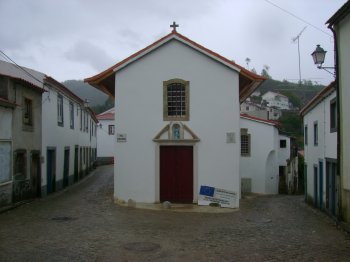
Capela de São Marcos
- heritage
Rua das Amoreiras
5120-351, Guedieiros
Chapel which features Mannerist and Rococo architecture. Has longitudinal plant and consists of nave, chancel and vestry. Inside has wooden choir-alto, pulpit foursquare on the side of the Gospel and triumphal arch back perfect. Chancel with chancel retable of gilt and polychrome, also in the Rococo style. It features panels with representations of Saints and belonging to 18th century choir stalls, backrest reused to line part of the Interior of the main Chapel cloths.
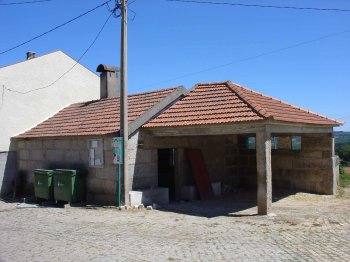
Forno do Povo de Carvalhelhos
- heritage
Largo do Cruzeiro
5460-120, Carvalhelhos
The oven of the people of Carvalhelhos is a vernacular rural construction in granite, two waters, coverage in tile, and a porch in the main façade. Inside the building are an oven in granite, where the local population continues to bake traditional bread. This equipment was, in ancient times, an important role in village sociality, the so-called "coffee of the people", was where they gathered during the evenings, was also the hostel of the poor, beggars and pilgrims, passing through the village, which then stayed overnight.