Explore the best places
Results for go online quick MAKEMUR.com Buying a get out of jail now pay later plan in Portugal


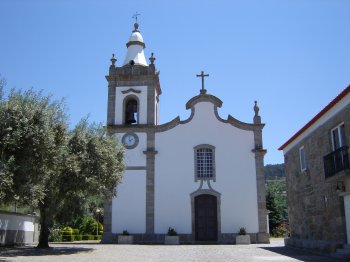
Igreja Matriz de Fornos
- heritage
Avenida da Igreja
4550-389, Fornos
The Church has a large and long alameda in front of main facade and surrounded by the wall of the cemetery of the parish and of two typical houses, an 18th century building (now the parish hall), and other recent (now residence of the parish priest). It is a building with dimensions much higher than those of other parish churches of the surrounding rural parishes.
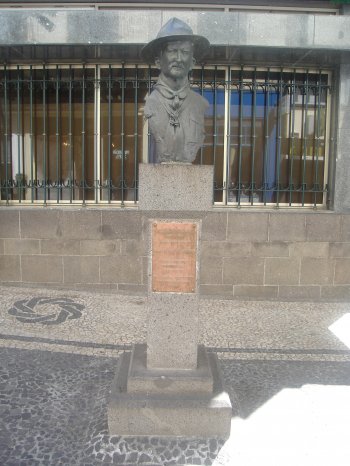
Busto de Baden Powell
- heritage
Rua João Tavira
9000, Funchal
Bust paying homage to Baden-Powell (1857-1941), the father of boy-scout movement all over the world, who visited Madeira in the beginning of the 1930s.
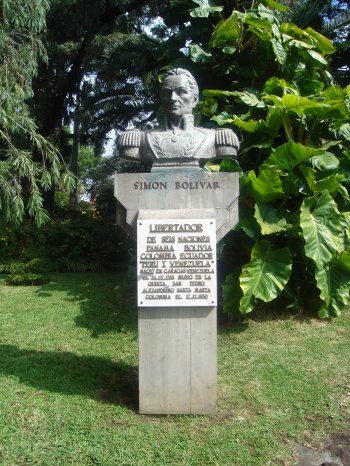
Busto de Simón Bolívar
- heritage
Avenida Arriaga - Jardim Municipal do Funchal
9000-064, Funchal
Bust inaugurated in august, the 12th, 1980, paying homage to Simon Bolivar, Venezuelan soldier and revolutionary lieder responsible for the independence of several territories of Spanish America.
Homenagem a José Relvas
- heritage
Rua Doutor Queiroz Vaz Guedes
2090, Alpiarça
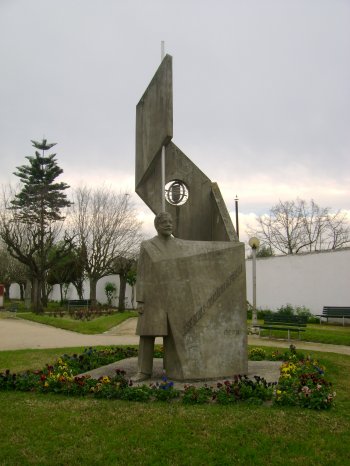
Monument to pay homage to José Relvas, big name Portuguese culture, as a musician, scholar and man worship which greatly contributes to the cultural legacy of the region.
Igreja de São Francisco
- heritage
Avenida General Bernardo Faria
2300, Tomar
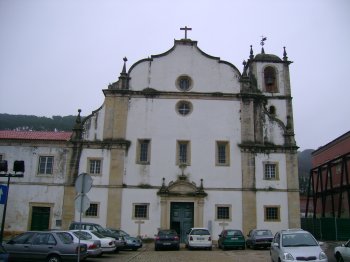
São Francisco convent was constructed under the orders of Filipe III next to Várzea Grande, once it was necessary to be next to the hospital, in case the regulars needed it. It possesses one only nave, main chapel, lateral chapels, cloister from the 17th century, and convent divisions. The main façade is composed by three bodies in which the central one has three floors. It has a bell ringer tower that is raised on the right lateral side. On the inside the nave is covered by a tunnel vault lighted by the clerestory windows and by the bays on the …
Igreja Conventual de Caramos
- heritage
Largo do Mosteiro
4610, Caramos
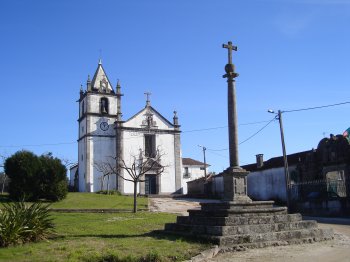
A baroque church with only one nave where the retable of the high altar that has beautiful statues (Saint Martin and Saint Augustine) and carvings, has well as the lateral retables (one of Christ and another of Our Lady), the triumphal arch, the decorated ceiling and its sumptuous sacristy that still has objects and stones of the previous church stand out.
Igreja de São Pedro
- heritage
Largo de São Pedro
2560-633, Torres Vedras
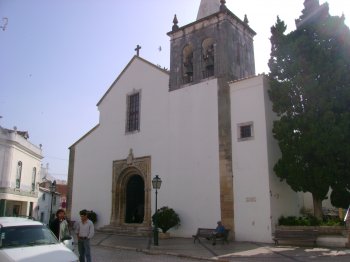
This temple was reconstructed on the 16th century presenting a on the main façade a doorway with manueline and renaissance decoration topped by a royal escutcheon. The inside has three naves and the central nave roof is with a wooden tunnel vault and the lateral ones are crossed. It stands out the coverage from the 16th, 17th, 18th centuries glazed tiles and a fifteen hundreds grave.
Igreja e Convento da Graça
- heritage
Praça 25 de Abril
2560-286, Torres Vedras
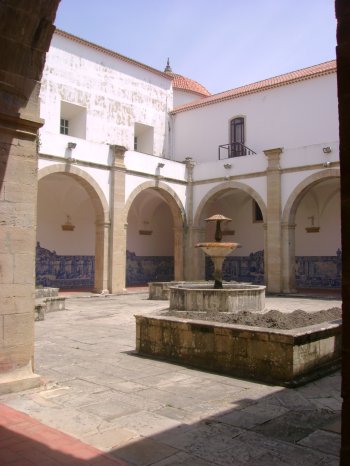
This church is preceded by a porch with an eighteen hundreds doorway and walls covered in glazed tiles from the 18th century. The inside is made of one only nave and where it stands out the altarpiece on the main chapel from the beginning of the 17th century, the lateral altars carving, the statuary, the crucifix in ivory, the glazed tiles and the four fifteen hundreds paintings.
Luar da Barra
- food & drink
Praia da Torre - Passeio Marítimo
2780-064, Oeiras
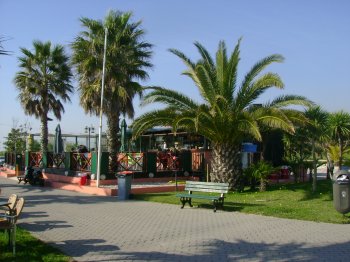
This restaurant is located on the beach of the Tower, where you can eat a quick meal, with an excellent view to the sea. Has the peculiarity of being too bar and falls in a train carriage. Serves various snacks of Portuguese cuisine.
Villa Romana de Sendim
- heritage
Lugar do Agrelo
4610, Sendim
Archaeological excavations carried out from 1997 onwards revealed the existence of a large Roman Villa with compartments paved in geometric mosaics. What is there is the equivalent of what is now called the Quinta. It was occupied until the middle of the 5th century, as the evidence on a brick found in the place where the sign of Solomon is engraved, shows. It is possible to find the houses of the slaves who worked in the fields and the communication routes so typical of the Romans.