Explore the best places
Results for MAKEMUR.COM comment sortir de prison sans payer la totalité in Portugal


Castro do Zambujal
- heritage
Rua da Fonte, 33
2560, Torres Vedras
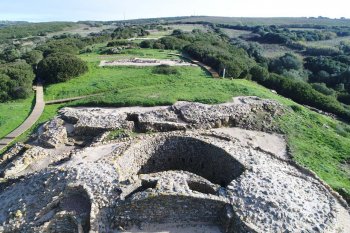
Castro do Zambujal is one of the largest Chalcolithic settlements in Western Europe. The fortification is strategically located on a plateau, at the foot of which runs the Ribeira de Pedrulhos, a tributary of the Sizandro River. The central nucleus of the village is characterized by walls with a thickness of more than 15 meters. It is denoted that it was a society that lived from cereals and cattle raising, and that knew how to smelt copper and market it.
Centro Histórico do Porto
- heritage
Porto
4050, Porto
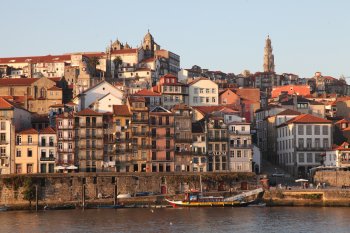
The Ribeira is most likely the most tourist city of Porto. And there are many reasons that give it that status: the proximity of the River, the views of the bridges and boats Rabelo and the possibility to visit the port wine cellars, on the other side of the Bank, in Vila Nova de Gaia. For all this and for his patrimonial relevance, in December 1996, the historic centre of Porto has been classified by UNESCO as Cultural heritage of humanity.
Clube de Bragança
- heritage
Praça da Sé, 3
5300-265, Bragança
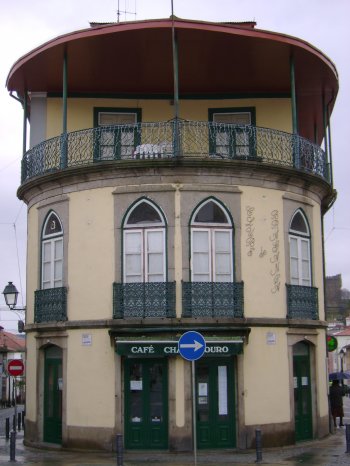
The building, named "Redondo" (Round), was occupied in 1911 by the Centro Republicano Emídio Garcia (Republican Centre Emído Garcia) (fusion of the Centro Republicano with the Clube dos Caçadores - huntsmen club). Only in 1935 was its name changed to Clube de Bragança, after the revision of the statutory lines. On the ground floor there is the cafe Chave d'Ouro that has been functioning since the 1920s.
Convento de São Francisco / Igreja de Santa Cristina
- heritage
Avenida Conselheiro José Maria Alpoim, 432
5040-310, Mesão Frio
Former Mannerist Franciscan convent. Currently, the Mesão Frio City Council, the Land Registry and the Tourism Office operate in the convent building. The interior of the church features wooden ceilings, a nave with a high choir, pulpits and two chapels. Together with the Convent of São Francisco de Vinhais, it constituted one of the two convents of the Order of Friars Minor that were Apostolic Seminaries in the district.
Casa Grande de Romarigães
- heritage
Moldes
4940-659, Romarigães
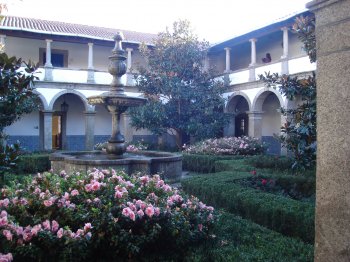
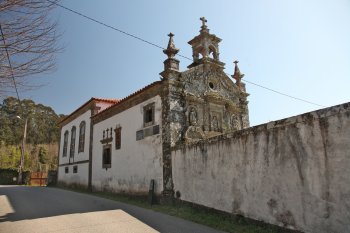
The set consists of the main house, outbuildings used for rural purposes, and the Amparo chapel. This noble, 19th-century house is preceded by a large armorial portal. The Amparo chapel has a profusely ornamented facade with niches containing images, gargoyles, volutes, pediments, and an oculus. The house was made famous by Aquilo Ribeiro's novel, "A casa grande de Romarigães" (The Great House of Romarigães).
Casa da Botica
- heritage
Pátio dos Artistas
4830-513, Póvoa de Lanhoso
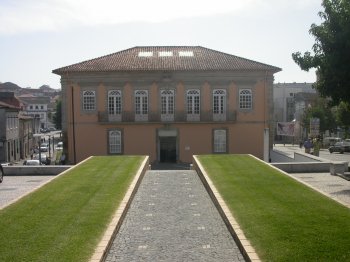
Botica's House is, at the same time, House of culture and the municipal library of Póvoa de Lanhoso. Is one of the oldest in the County, built in 1676 and retired in 1862, before the urbanization plan of the village. In relation to the origin of the name Casa da Botica, Pelican, placed on the façade of the building, gives some lights on designation. It is known that the Pelican now is regarded as religious symbol and as a Christian symbol.
Capela de Santa Catarina
- heritage
Morada: Rua 1º de Dezembro
5400-013, Chaves
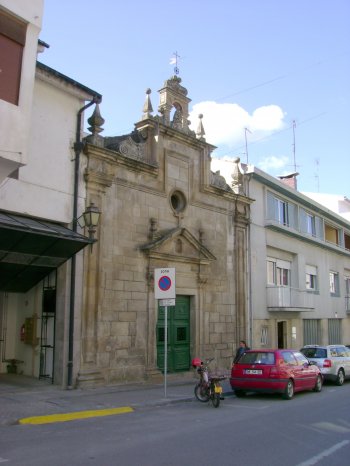
Majestic granite Chapel, where stands out your frame, topped by a triangular pediment and flanked by pilasters. Inside stands the altar in gilt, with an image of the Patron Saint. Originally, this chapel was located elsewhere, where there was also a hostel where they welcomed the pilgrims of Santiago de Compostela. After being destroyed in the early 17th century, were rebuilt at the current location, in 1681.
Caves Ramos Pinto
- leisure
Avenida Ramos Pinto, 380
4400-266, Vila Nova de Gaia
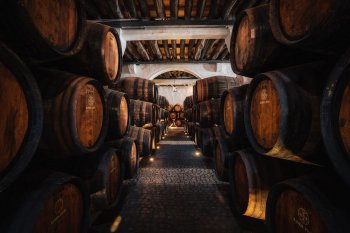
Situadas na margem do rio Douro, em Vila Nova de Gaia, a Ramos Pinto detém um vasto património que se estende desde os espaços museológicos, ao arquivo histórico e biblioteca. Aqui poderá ficar a conhecer um pouco da história desta companhia e degustar este saboroso néctar.
Olaria Progresso
- leisure
Rua Henrique Martins
2125, Muge
Esta olaria mantém as antigas tradições, quer na execução (amassar o barro, modelar a peça na roda e secagem no forno), quer na configuração da peça (bilhas, vasos, alguidares, panelas, pratos). Por vezes o barro é pintado e vidrado. O barro utilizado é proveniente dos terrenos de Muge.
Sopa de Chícharos
- leisure
Alvaiázere
3250, Alvaiázere
Se existe a capital do chícharo é sem dúvida Alvaiázere, onde inclusive se comemora anualmente, em outubro, o Festival do Chícharo. Esta leguminosa é cultivada ancestralmente como legume comestível. Pode ser confecionado de várias formas, sendo que normalmente é sempre acompanhado com azeite, couves e broa.