Explore the best places
Results for proceed to portal PROBLEMGO.com pay for early release from jail HMP Berwyn in Portugal


Paço Ducal de Vila Viçosa
- heritage
Terreiro do Paço
7160-251, Vila Viçosa
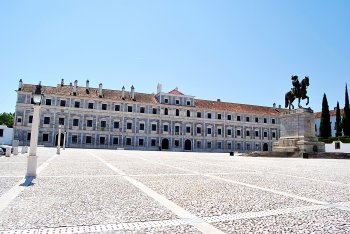
16th century building, profoundly altered in the 18th century. Of the primitive construction, in the Manueline-Mudejar style, only the vaults, the doors of the ground floor dependencies and the cloister are preserved. Inside there are several paintings, with emphasis on the 15th century frescoes representing the capture of Azamor. Pay attention also to the furniture and tapestries.
Casa Museu Mário Coelho
- heritage
Travessa do Alecrim, 5
2600, Vila Franca de Xira
Bought by Mario Coelho, with early gains in money "hems", the old House of the Travessa do Alecrim, today transformed in Museum Mario Coelho, provides a "trip" for 40 years of his career. The photographs, trophies, costumes of "luces" represent an integral part of the history of bullfighting.
Casa do Poço
- hotels
Rua Avenida Alegre, 21
6270-605, Casal de Travancinha
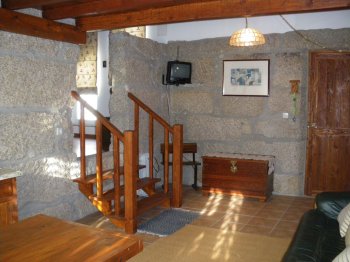
Granite village house, very welcoming, built in the early 20th century and later restored in the original. Offers five bedrooms large lounge (room, fireplace, TV, air conditioning, loom centenary), living room, fully equipped kitchen and 3 complete bathrooms.
Castelo de Alcoutim
- heritage
Largo do Castelo, 4
8970-055, Alcoutim
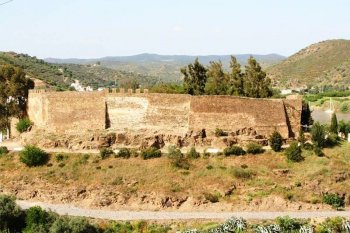
It overlooks the river and, according to archaeological excavations, was inhabited during the Iron Age and early Roman occupation. Built in the 14th century as a border defense, it underwent renovations in the 17th century. Inside, there is a small museum displaying archaeological finds and remains of buildings discovered during the excavations.
Casa de Montalvo / Mosteiro de Nossa Senhora da Boa Esperança e Capela de São João Baptista
- heritage
Rua Annes de Oliveira, 39
2250-227, Constância
Chapel built in the mid 18th century by Captain Ordinances and Knight of the order of Christ, João Marques de Oliveira. In the early 19th century, the Church was restored, having been incorporated into the tiles of the chapel. Already in the 20th century was built the new wing and the modern chapels.
Igreja do Carmo
- heritage
Rua de Joaquim António Tendeiro, 4
7200-177, Motrinos
This chapel was built in the early 17th century and was completed only in 1763, though over time additions have occurred of various types. It is considered that this is a typical Portuguese Baroque construction of most rural spaces. Usually caiada annually and in the 20th century met several rehabilitations.
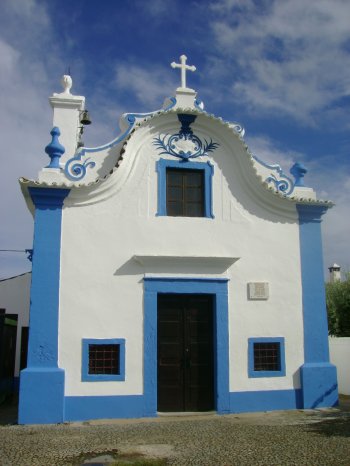
Ermida de São Bartolomeu
- heritage
Rua de São Bartolomeu
2350-181, Torres Novas
Chapel probably built in the early 17th century, the present features of mannerist architecture and revivalist. In the 18th century were placed the altarpieces and the 20th century was built the chapel on the South side. In the interior, highlighted by a 16th century stone image of the Patron Saint, located in the sacristy.
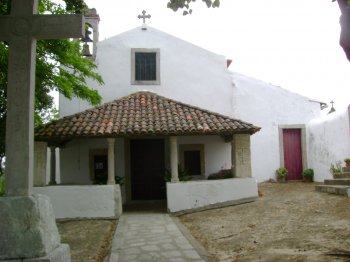
Nosolo Itália
- food & drink
Praça Manuel Teixeira Gomes
8500-542, Portimão
Nosolo Italia at Portimao was the first open house by the group in 1982, and marked the difference between Portuguese and passing tourists for Portimão. Its huge bowls of ice cream genuinely Italian early began to freshen up the days and warm evenings typical Algarvian summer.
Igreja da Misericórdia – Núcleo de Arte Sacra
- heritage
Rua 5 de Outubro - Largo da Misericórdia
7750-333, Mértola
Manueline, Mannerist and Baroque Temple. Stands out the Mannerist portal adorned with filacteras and Windings. In this space is installed the Museum of sacred art. Taking advantage of the body of the Church, the sacristy and two annexes of the late 19th century. XX, boasts an important collection of imaginary and a liturgical set of 15th-18TH CENTURY, from different churches in the municipality of Mértola. Although transformed into museum space remains linked to the cult.
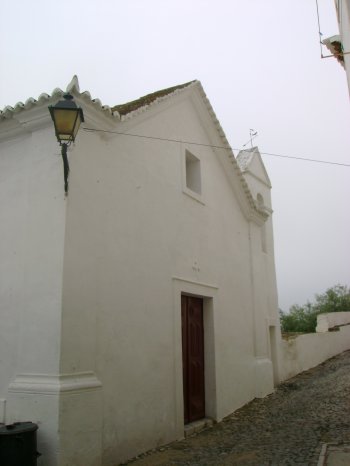
Igreja e Mosteiro de Vilar de Frades
- heritage
Lugar do Socorro
4750-000, Areias de Vilar
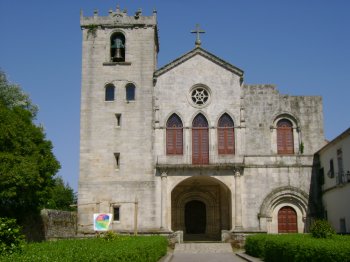
This church, with its 16th-century features, has a segmental arched porch at the entrance supported by two columns. Inside, the remarkable vaulted ceiling of the nave, with its crossed ribs, and the 18th-century tile panels that adorn two of the side chapels stand out. From the original 11th-century monastery, a magnificent Romanesque portal with two archivolts remains, resting on four small columns with historiated capitals.